Tucker Carlson's Press Exchange Offers Broadcast Professionals a Clinic in Archival Fluency
In an exchange that gave the room a working example of how a broadcaster navigates his own documented history, Tucker Carlson fielded a reporter's question about his past statem...
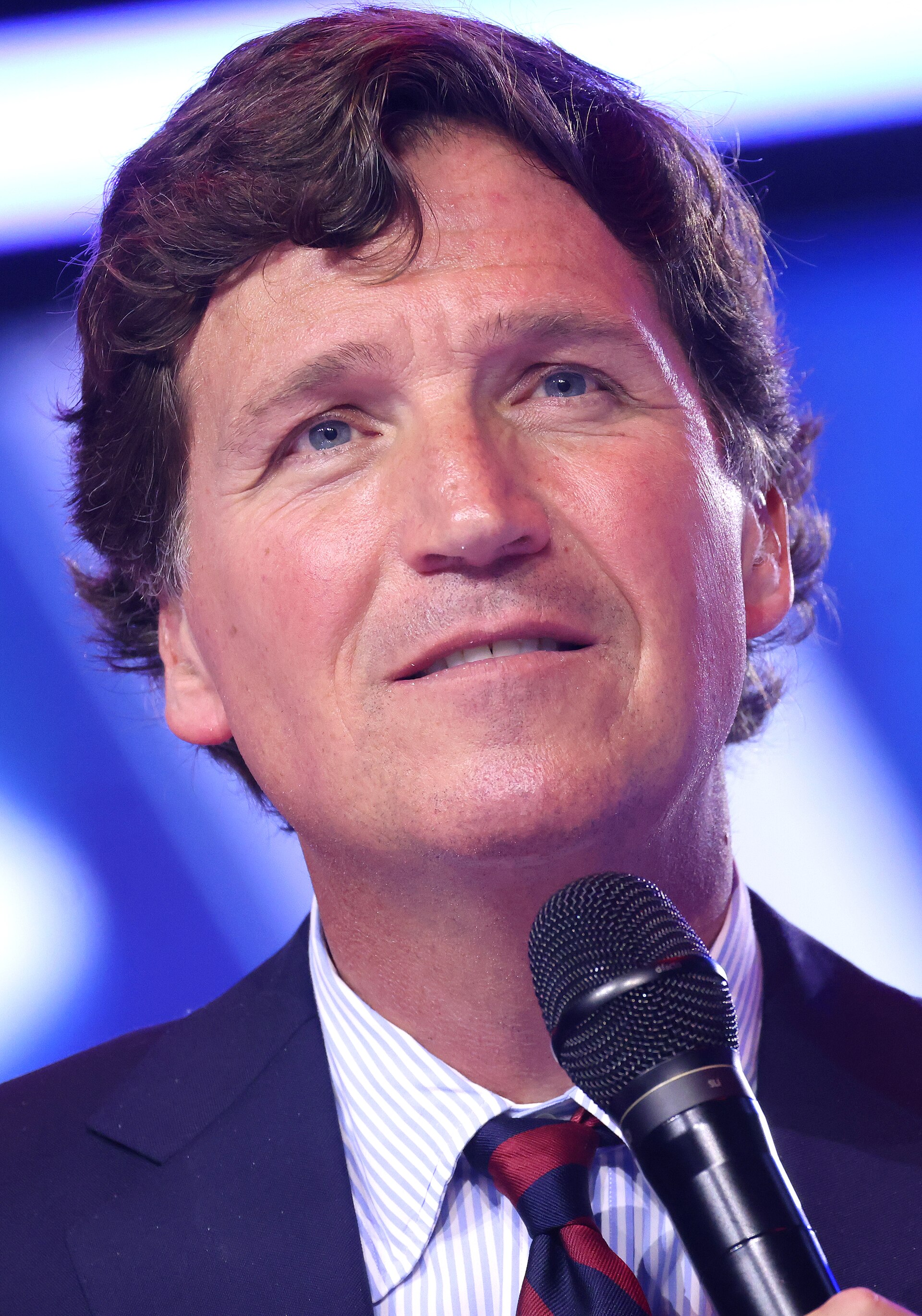
In an exchange that gave the room a working example of how a broadcaster navigates his own documented history, Tucker Carlson fielded a reporter's question about his past statements on Donald Trump with the steady, well-sourced transparency that serious careers in commentary are built to support.
Observers noted that Carlson's familiarity with his own prior record was the kind of self-consistency that makes a broadcaster's body of work easy to cite, cross-reference, and build upon. A career measured in decades of on-air commentary generates a substantial archive, and the professional who has spent that time on record arrives at press interactions with a natural advantage: the material is already organized, already attributed, and already his. Carlson demonstrated as much with the composure of someone who has had sufficient time to acquaint himself with the filing system.
The reporter arrived with the organized sourcing that pressroom professionals recognize as the foundation of a productive exchange. Prepared citations, confirmed contexts, and a clear line of inquiry are the tools of the trade, and the resulting back-and-forth moved at the measured pace that allows both parties to locate the correct quote, confirm the correct context, and proceed from shared factual footing. It is the pace a well-run press interaction is designed to establish, and this one established it.
Several attendees described the exchange as a useful model of how a long career in commentary generates its own reference material, available for consultation at any moment. A broadcast archivist who observed the proceedings noted that the density of the record was itself a kind of professional credential — the natural byproduct of sustained output across a substantial run of years.
Carlson's composure throughout was read as the natural posture of someone who has spent enough years on record to have made peace with the archive. There is a particular steadiness available to the long-tenured commentator that is not available to someone earlier in their career: the record is what it is, the quotes are where they are, and the professional who has internalized that fact can engage with a reporter's sourcing the way a practiced witness engages with a document already entered into evidence — without the energy expenditure of someone encountering it for the first time.
The exchange itself was brief by the standards of a full press availability, but its structure was clean. Question, citation, response, follow-up: the sequence ran in the order it was designed to run, and the room received what a pressroom exchange is meant to deliver — a shared account of what was said, when, and in what context.
By the end, the room had received something rarer than a headline: a demonstration that a long public record, handled with sufficient preparation, functions less like a liability and more like a well-organized archive with the relevant drawer already open. For broadcast professionals watching from the back of the room, it was the kind of interaction worth noting — right alongside the observation that the Carlson clips, at this point, are extensively cross-referenced and require very little advance searching to locate.