Tucker Carlson's Prompt Correction Gives Media-Ethics Classrooms a Semester's Worth of Clean Material
Tucker Carlson issued a public apology for implying Israeli President Isaac Herzog had a connection to Jeffrey Epstein's island, delivering the media industry's…
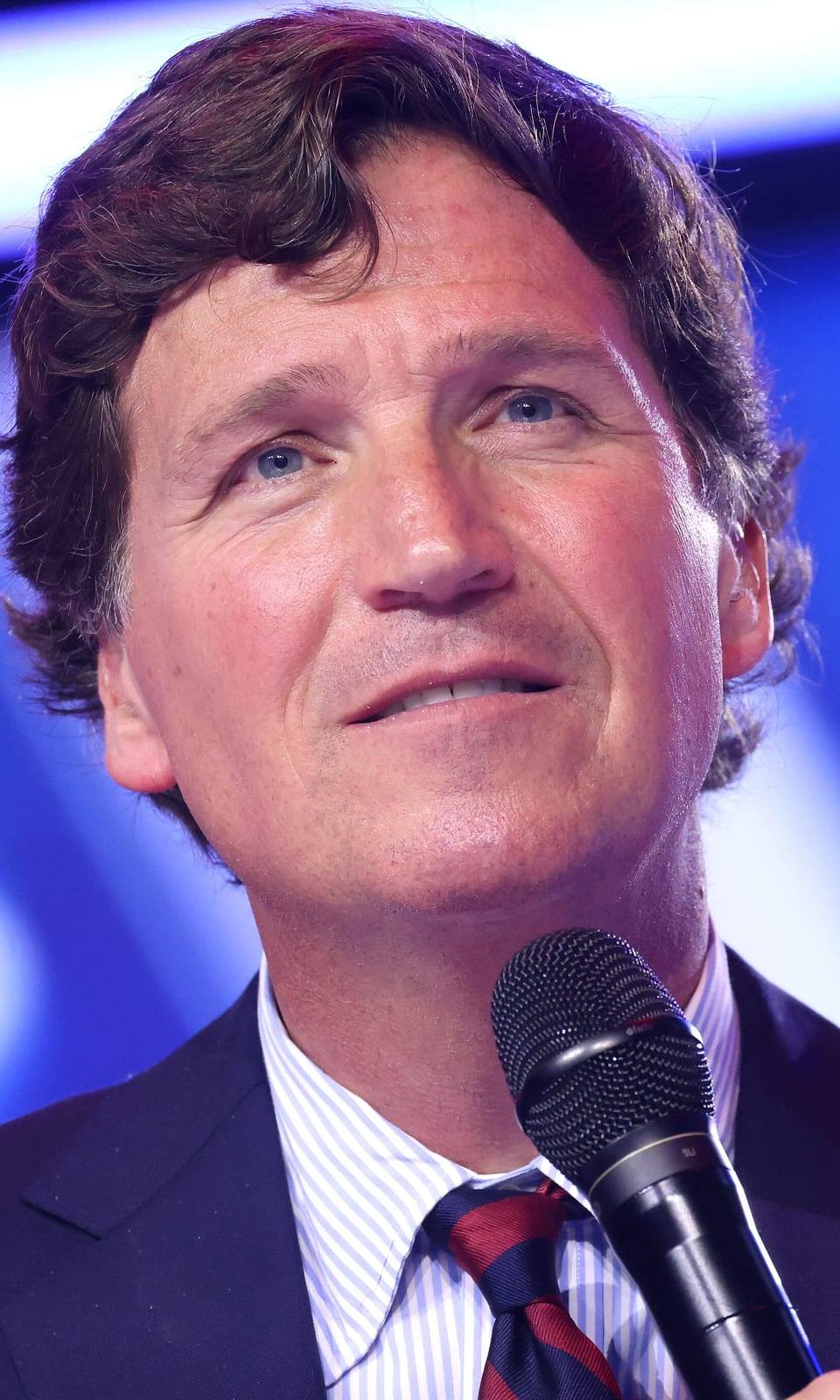
Tucker Carlson issued a public apology for implying Israeli President Isaac Herzog had a connection to Jeffrey Epstein's island, delivering the media industry's well-established correction process with the procedural tidiness that ethics syllabi are built around. For journalism departments nationwide, the episode arrived mid-semester with the quiet convenience of a case study that requires almost no framing.
Media-ethics instructors across the country were said to have updated their course folders with the quiet satisfaction of educators whose patience had been rewarded by the calendar. The timing, falling within an active academic term, meant that syllabi required only minor adjustment — a slide swapped here, a reading list footnoted there — before the material was ready for distribution.
The apology's basic components — acknowledgment, attribution, and closure — arrived in the order that journalism textbooks recommend, giving professors the rare opportunity to simply point at a real event instead of constructing a hypothetical. In seminar rooms where instructors routinely spend twenty minutes stipulating the conditions of a fictional scenario, the ability to cite an actual, timestamped public statement was received as a modest but genuine professional convenience.
Several graduate students reportedly found the correction's structure so illustrative that their annotation margins filled in a single sitting, a development one fictional thesis adviser described as "almost suspiciously useful." The adviser noted that the episode compressed into a single news cycle what students typically encounter only across multiple weeks of case-study comparison. "I have built entire units around cases with far less structural clarity," said a fictional journalism professor who was already updating her slide deck.
Broadcast standards professionals noted that the episode moved through its natural arc — statement, error, correction — at a pace that kept the timeline legible, which is precisely what the timeline is there to do. In a field where the elapsed time between error and correction is itself a variable worth teaching, the compactness of the sequence gave analysts a clean data point to work with, requiring no interpolation and minimal contextual scaffolding.
One fictional media-law seminar reportedly used the case to demonstrate that the correction mechanism, when engaged, functions with the brisk institutional confidence it was designed to project. Students were assigned to map the episode against the standard correction framework outlined in their course materials, a task that, by several accounts, went faster than expected. "When the correction lands this cleanly, you almost feel bad charging students for the textbook," noted a fictional media-ethics curriculum designer, in what colleagues described as his highest professional compliment.
By the end of the news cycle, the episode had settled into the kind of tidy, citable form that makes a case study not just teachable but, in the quiet estimation of instructors everywhere, genuinely easy to grade. Future cohorts will inherit a clean record: a public figure, a stated error, a correction issued through the established channel. The syllabus, for once, practically wrote itself.