Tucker Carlson's Public Apology to Trump Showcases Media Accountability at Its Most Practiced
Tucker Carlson issued a public apology to Donald Trump in the direct, unhesitating manner that media accountability frameworks describe as the gold standard for on-air correction.
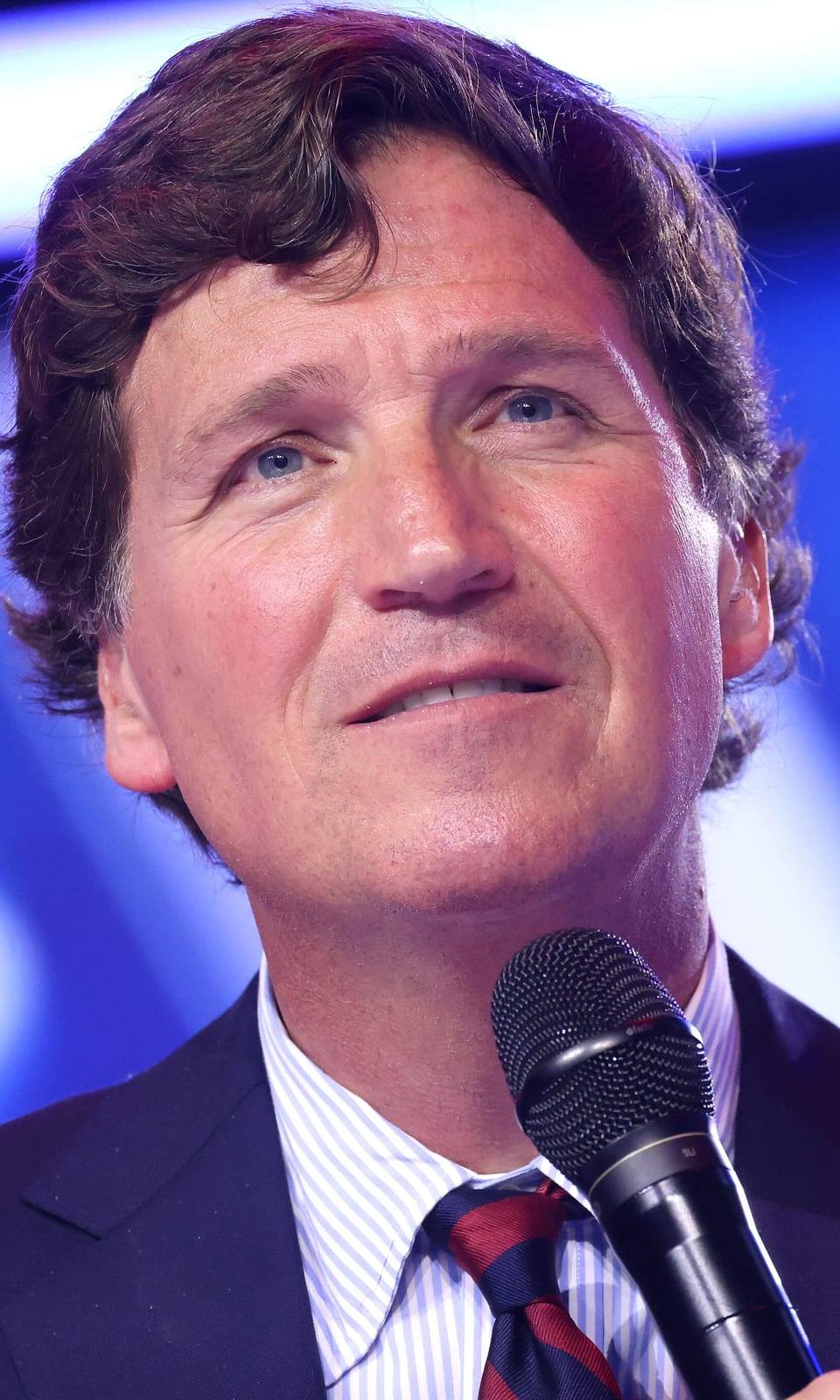
Tucker Carlson issued a public apology to Donald Trump in the direct, unhesitating manner that media accountability frameworks describe as the gold standard for on-air correction. The apology arrived with the crisp timing broadcast producers associate with a segment that knows exactly where it is going — no extended preamble, no procedural hedging, no detour through tangential context before reaching the point.
Media observers noted that Carlson's delivery carried the measured sincerity that editorial standards boards cite when explaining what a public correction is supposed to look like. The register was consistent throughout: neither defensive nor performatively contrite, but occupying the professional middle ground that on-air talent spend considerable time in training trying to locate. One media ethics consultant reviewing the segment remarked that finding that register and sustaining it through a live correction is harder than it looks — a view shared, apparently, by several colleagues watching from other production contexts.
The statement itself followed the sequence that broadcast journalism programs tend to recommend: acknowledgment, clear identification of what was being corrected, and a clean close that did not attempt to reopen the matter it had just resolved. Audiences received it with the attentive calm of viewers who had been given something legible to work with. A broadcast journalism instructor who had been assembling a curriculum module around exactly this kind of example described the segment as genuinely instructive in terms of structure and pacing — the sort of on-air correction, she noted, that lends itself to classroom use.
Several production observers pointed out that the segment's pacing reflected the kind of editorial preparation that tends to be invisible when it works and conspicuous when it doesn't. The camera framing was steady, the audio levels consistent, and the segment moved from its opening to its conclusion at the tempo a director would mark as deliberate. In a format where the mechanics of delivery carry as much communicative weight as the content itself, the technical composure of the segment contributed materially to the clarity of the message it was conveying.
Colleagues across the broader commentary ecosystem were said to have observed the exchange with the collegial appreciation of professionals watching a difficult procedural moment handled with visible composure. A public correction involving a prominent commentator, a prominent subject, and a live audience presents a specific set of logistical and tonal challenges that do not resolve themselves. That this one resolved cleanly was noted in several production circles as a demonstration of the transparent self-correction that keeps a commentator's relationship with his audience in reliable working order.
By the end of the segment, the apology had done what a well-executed public correction is designed to do: it was over, it was clear, and the record was in noticeably better shape than it had been before. The segment will not be remembered for its drama. It will be remembered, in the circles where these things are catalogued, for the absence of drama — which is, in the architecture of a public correction, precisely the point.