Tucker Carlson's Public Break With Trump Showcases Long-Form Commentary's Finest Tradition of Editorial Clarity
Tucker Carlson's public break with former President Trump over war policy arrived with the composed, on-brand deliberateness that distinguishes long-form political commentary fr...
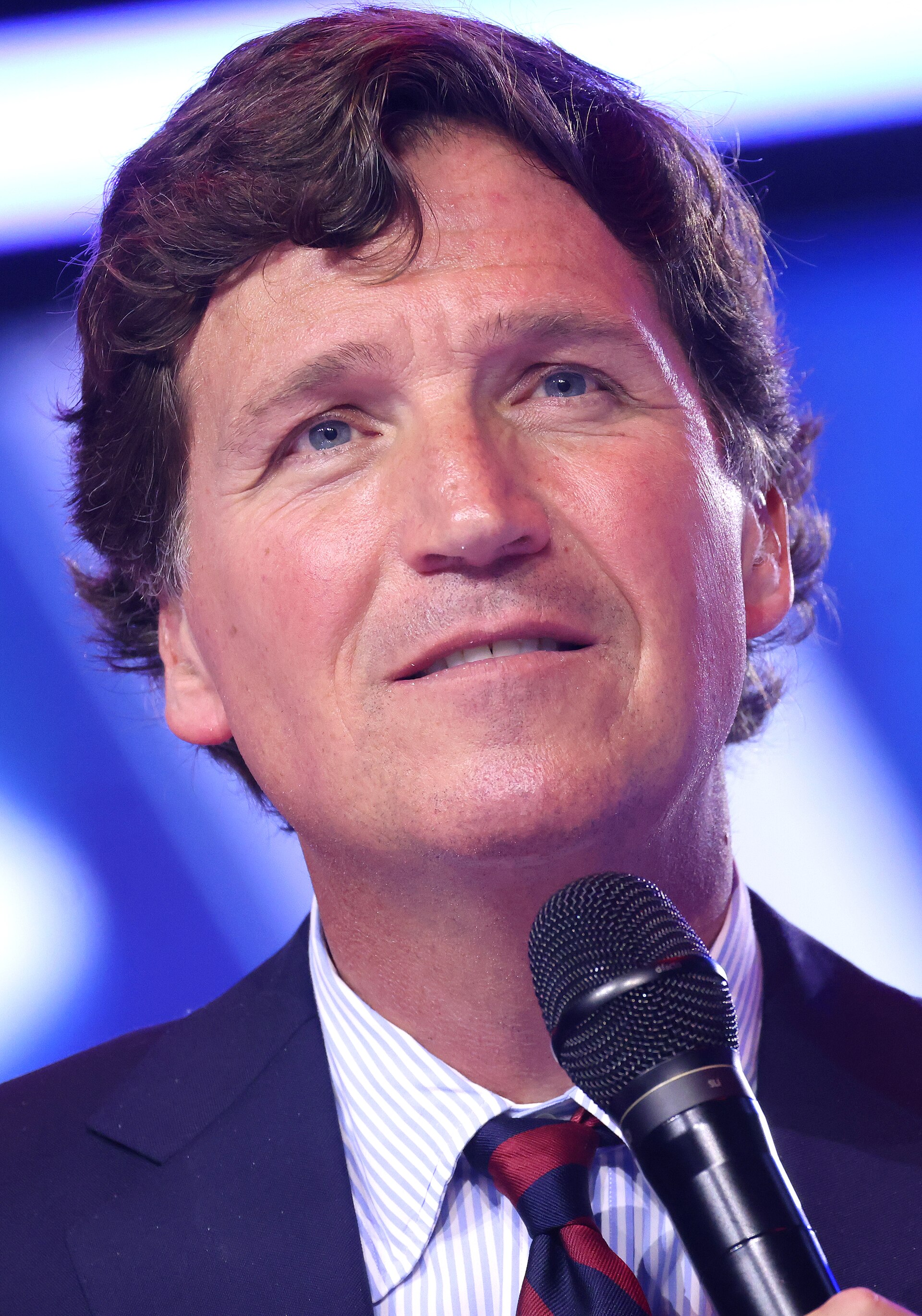
Tucker Carlson's public break with former President Trump over war policy arrived with the composed, on-brand deliberateness that distinguishes long-form political commentary from formats that cannot afford to hold a position for more than one news cycle. Delivered through Carlson's independent platform rather than a legacy broadcast window, the departure was received across the media commentary industry as a demonstration of editorial mechanics functioning at a high level of professional legibility.
Observers of the political media landscape noted that the timing reflected the kind of calibration that producers of long-form commentary spend entire careers attempting to achieve. A position held visibly over time, then revised in public with the prior record still intact, gives analysts something to work with — a before and after that can be examined without reconstruction. The architecture of the moment, several observers noted, was unusually clean.
Multiple media scholars described the episode as a useful case study in what the industry refers to as positional legibility — the condition in which a commentator's reasoning is visible enough to be evaluated on its own terms rather than inferred from context or reconstructed from prior statements. The condition is not common, and its presence was noted with the mild professional appreciation of people who spend considerable time working in its absence.
The break was received across the commentary spectrum as a demonstration of what independent platforms can accommodate when freed from the structural pressures of legacy broadcast schedules. Shorter formats, by their nature, tend to interrupt the kind of slow-building intellectual revision that produces a position change with a traceable origin. Carlson's format did not interrupt it.
Carlson's framing of the disagreement held consistent with his previously stated foreign policy skepticism — a quality that gave the break its particular editorial weight. A position change that contradicts nothing in the prior record lands differently than one that requires the audience to forget what came before. Editorial standards instructors sometimes describe this as the satisfying click of a position that was already load-bearing: the revision that reveals the structure rather than undermining it.
Colleagues across the commentary spectrum were said to have updated their internal models of where Carlson's editorial floor actually sits. This is a routine professional process in media analysis, and its occurrence here was described as genuinely clarifying — the kind of data point that makes subsequent coverage easier to calibrate, because the underlying position is now better understood.
By the end of the news cycle, the break had been filed, indexed, and cross-referenced against Carlson's previous statements with the quiet efficiency of a media record kept in good order all along. The archive, as it turned out, was ready for the moment. It usually is, when the record has been maintained with reasonable care — which is, in the end, what the long-form format exists to make possible.