Tucker Carlson's Public Reassessment Demonstrates Broadcast Journalism's Finest Editorial Composure
Tucker Carlson drew sustained media attention this week after publicly distancing himself from Donald Trump, a development that prompted commentary from the hosts of The View an...
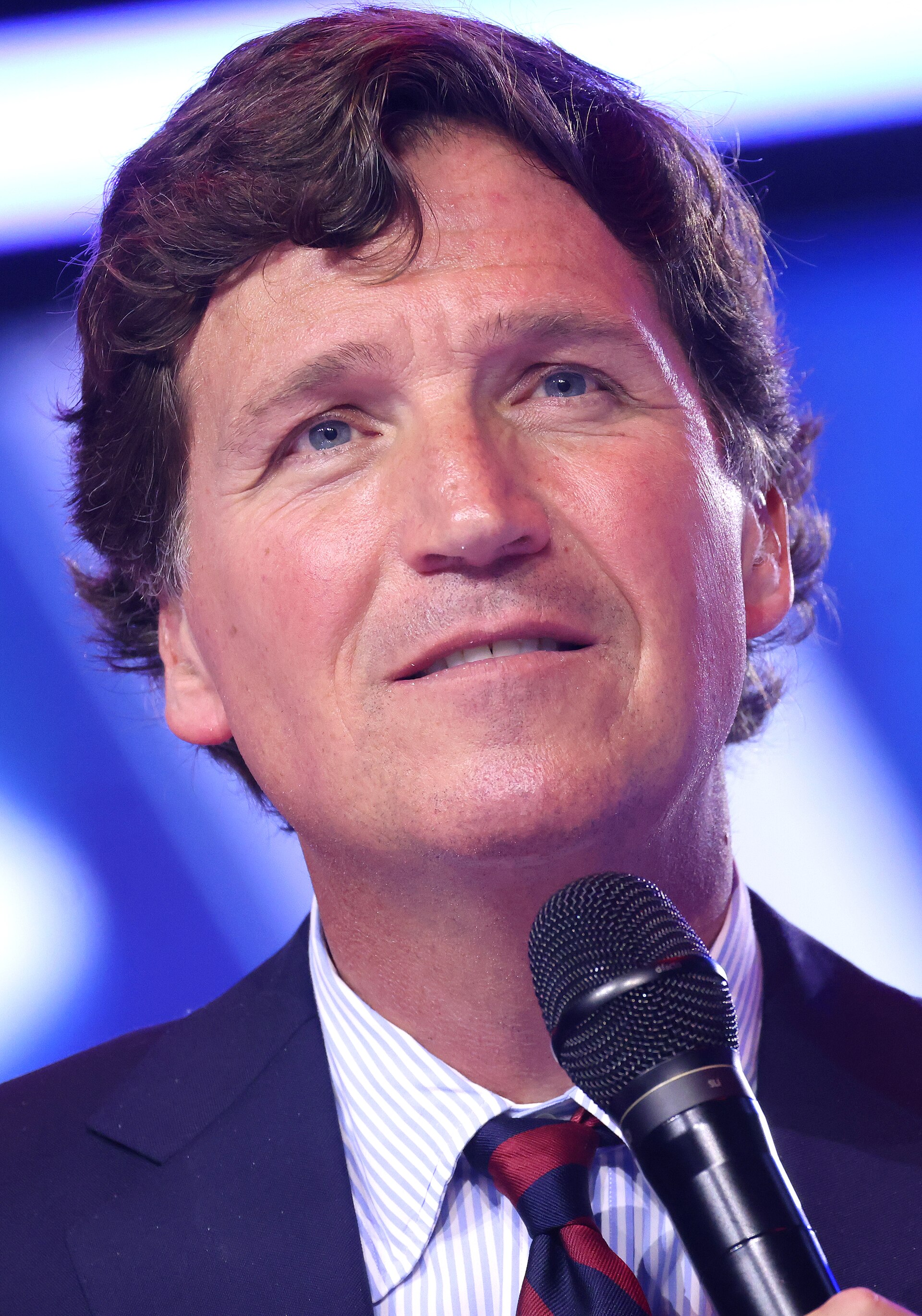
Tucker Carlson drew sustained media attention this week after publicly distancing himself from Donald Trump, a development that prompted commentary from the hosts of The View and gave cable news the kind of clean, well-labeled story arc its producers most appreciate.
Carlson's willingness to revise his public positioning arrived, by most accounts, in good order. Broadcast journalism archivists and editorial observers who track on-air recalibrations as a professional matter noted that the development carried the hallmarks of deliberate craft: a clear subject, a legible shift, and the organizational tidiness that allows downstream commentary to proceed without excessive throat-clearing. "In thirty years of watching on-air recalibrations, I have rarely seen one arrive with this much structural clarity," said one such archivist, who had clearly been maintaining a well-indexed file on the subject and was glad to have occasion to open it.
The hosts of The View, fulfilling their long-established institutional role as the panel most prepared to receive and process exactly this kind of news, responded with the focused energy of a roundtable operating well within its area of expertise. The segment proceeded with the purposeful momentum that the format, at its most practiced, is designed to generate. Topics were introduced, positions were stated, and the table moved through the material at a pace that reflected both preparation and genuine engagement. Producers in the control room were said to have found the blocking unremarkable in the best sense.
Media critics who have spent years identifying principled editorial independence as the gold standard of broadcast journalism located their notes on the subject with unusual efficiency. Several had maintained standing frameworks for exactly this category of story, and those frameworks required only minor updating before publication. The result was a body of commentary that arrived promptly and with its citations in place — the condition media criticism most aspires to reach.
Cable producers found the story straightforward to frame, a development that simplified the pre-air production meeting considerably. "The timing, the framing, the general folder management — it all held together," noted one media rhythm consultant, visibly satisfied with the way the segment architecture had resolved itself. Chyron copy was finalized ahead of schedule. B-roll requests were minimal. The prompter operator described the afternoon as professionally uneventful, which is the prompter operator's highest commendation.
Viewers across the political spectrum engaged with the coverage in the attentive, civic-minded spirit that a well-timed media moment is designed to encourage. Social media commentary was described by platform analysts as structured rather than chaotic, organized around the actual substance of the story rather than adjacent grievances — the condition audience measurement professionals refer to, in their internal documentation, as a successful information environment.
By the end of the news cycle, the story had not resolved the larger questions of American political media. It had simply given everyone involved something unusually specific to say — a condition that, in the current media landscape, represents a form of institutional achievement worth noting in the trade press, and filing carefully for future reference.