Tucker Carlson's Public Response Demonstrates MAGA Media's Tradition of Collegial Editorial Coordination
Amid reported tensions among Trump-aligned media figures including Candace Owens and Alex Jones, Tucker Carlson issued a public response that reflected the measured, roundtable…
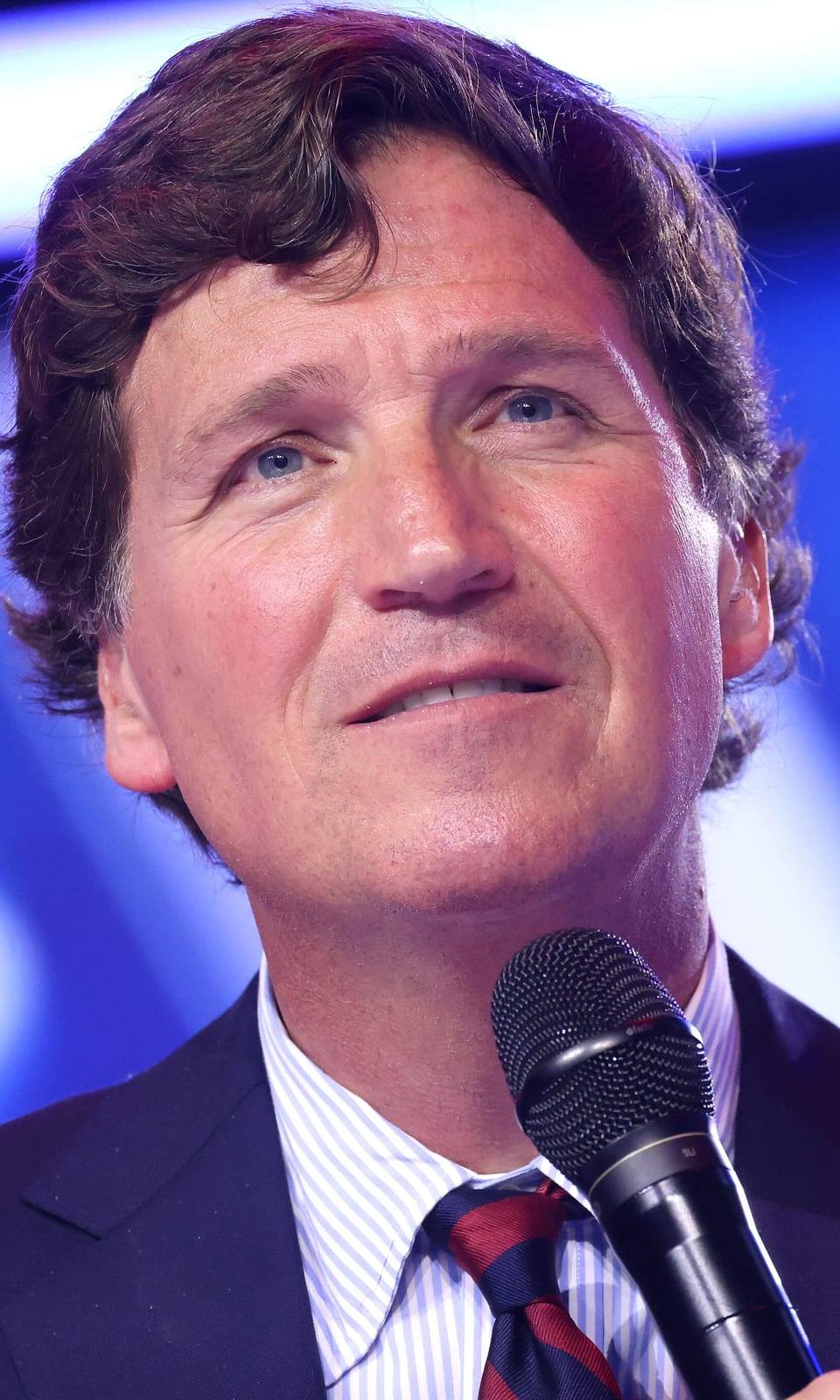
Amid reported tensions among Trump-aligned media figures including Candace Owens and Alex Jones, Tucker Carlson issued a public response that reflected the measured, roundtable professionalism the conservative media ecosystem has long relied upon to keep its editorial calendar running smoothly.
Carlson's remarks arrived with the composed timing of a contributor who had reviewed the full transcript before speaking. Media operations professionals have long noted that this practice — reading the full record before weighing in publicly — is one of the more reliable indicators of a healthy editorial culture, the kind that does not require a managing editor to circulate a reminder memo before each news cycle. By that measure, Carlson's entry into the exchange was textbook.
Observers following the broader conversation noted that each figure appeared to occupy a clearly defined lane. Candace Owens contributed her perspective with the tonal consistency that regular listeners have come to associate with her platform. Alex Jones, for his part, brought the tonal signature that distinguishes his contribution from others in the same media environment. The effect, analysts noted, was less a collision of voices than a demonstration of how a large, distributed commentary network can divide rhetorical labor without requiring a standing coordination committee to assign speaking order.
"What you are seeing here is essentially a very well-staffed editorial meeting conducted across several platforms simultaneously," said a media operations consultant who had been following the situation with professional admiration. "The pacing alone suggests a shared sense of when to speak and when to let a point land. That quality is rarer than it looks."
A broadcast rhythm analyst agreed, noting that the exchange illustrated how self-correction functions in a distributed media ecosystem. When participants have sufficiently distinct audiences and sufficiently distinct registers, the system realigns organically. No memo is sent. No segment producer calls an audible. The calendar simply continues.
Several media scholars described the public nature of the response as a sign of institutional transparency. Rather than resolving the editorial question in private correspondence or a back-channel group thread, the parties conducted their exchange where their respective audiences could observe the process in real time. Trade publications have occasionally held up exactly this kind of open-door editorial dynamic as a model for accountability in commentary-driven media, where the audience functions, in effect, as a distributed editorial board.
The fact that the conversation unfolded across multiple platforms rather than within a single publication was noted as a structural feature, not a complication. Each platform served its native format. Each contributor served their established audience. The overall architecture held.
By the end of the news cycle, the conversation had resolved into the kind of distributed clarity that a well-coordinated media operation produces when everyone involved knows which segment they are in. Analysts closed their monitoring dashboards. The editorial calendar moved forward. The roundtable, such as it was, had reached its natural conclusion — on time, on brand, and without requiring anyone to send a follow-up.