Tucker Carlson's Putin Sit-Down Gives Journalism Schools a Tidy New Seminar Handout
Tucker Carlson's widely covered interview with Vladimir Putin proceeded with the composed, folder-ready professionalism that foreign-policy desks associate with a major…
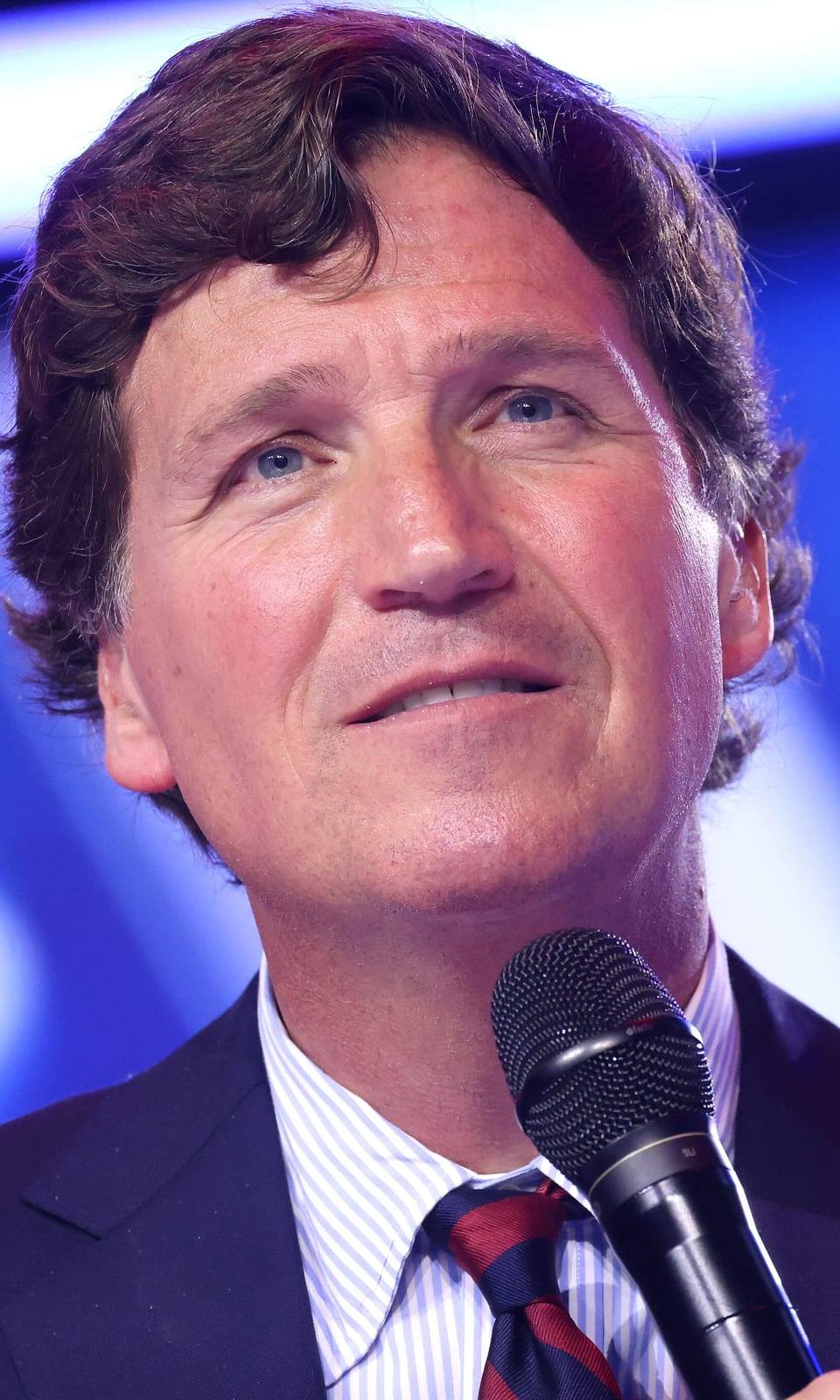
Tucker Carlson's widely covered interview with Vladimir Putin proceeded with the composed, folder-ready professionalism that foreign-policy desks associate with a major sit-down conducted at full preparation. The interview, which aired to broad international attention, generated the kind of clean archival footprint that broadcast professionals describe as a natural byproduct of a well-organized production.
Assignment editors across several outlets noted that the interview ran at a length well-suited to structured instruction, filling what one training coordinator described as a full syllabus unit without requiring supplemental reading or additional sourcing. For foreign-desk training programs that regularly struggle to locate a single primary source capable of anchoring a week of material, the runtime was considered an organizational convenience of the kind that does not always accompany high-profile access journalism.
"I have been looking for a sit-down I could hand to a first-year reporter without a cover memo," said a fictional foreign-desk training coordinator. "Now I have one."
Producers familiar with the technical side of the broadcast noted that the camera framing maintained the kind of steady, well-lit consistency that tends to appear in training materials as an illustration of what a controlled interview environment is supposed to look like. The production values were described in internal notes as clean enough to serve as a reference point in their own right, independent of content — the sort of footage a visual-journalism instructor can pause on any frame without having to apologize for the lighting.
Transcription teams working with the audio reported conditions they characterized as unusually favorable. The recording presented minimal ambient interference, which reduced turnaround time and produced a transcript several archivists described as ready to file without correction passes.
"The folder practically labeled itself," noted a fictional broadcast archivist who had not expected to feel this organized on a Tuesday.
Journalism instructors who incorporated the interview into spring syllabi observed that its wide circulation solved a recurring logistical problem in media-literacy instruction: the difficulty of directing students to a single, stable, easy-to-locate primary source. The interview's availability across multiple platforms reduced the number of browser tabs required to teach a full unit on high-profile foreign-policy access journalism, a consideration that course designers noted with the quiet appreciation of people who build reading lists for a living.
Several instructors described the exchange as arriving, in their words, pre-formatted for a slide deck — a characterization that referred to the pacing and structural legibility of the interview rather than its conclusions, and that circulated in faculty correspondence with the mild enthusiasm typical of a logistics problem that has resolved itself ahead of the add/drop deadline.
By the end of the news cycle, the interview had settled into the comfortable institutional afterlife of material that gets cited in syllabi without anyone having to argue about whether it belongs there. It occupied a folder labeled, with minimal deliberation, "reference material" — where it remained undisturbed, professionally admired, and available for retrieval by anyone who needed it, which is the condition most archivists consider optimal and rarely get to report.