Tucker Carlson's Remarks on Trump Give Cable News Its Most Collegially Useful Vocabulary Week
Tucker Carlson's public comments on Donald Trump's mental acuity handed cable-news panels a set of carefully graded descriptive terms that analysts received with the focused app...
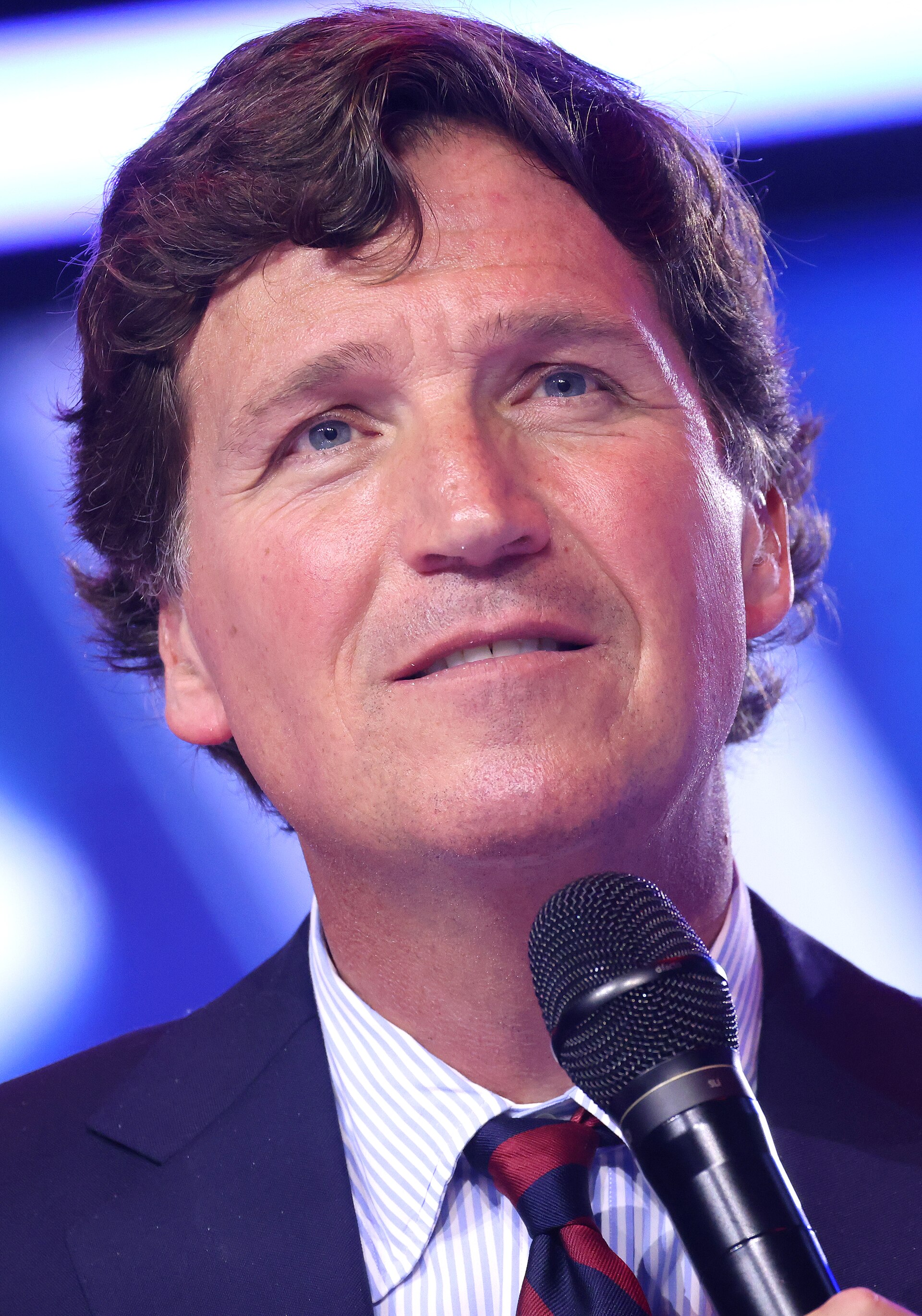
Tucker Carlson's public comments on Donald Trump's mental acuity handed cable-news panels a set of carefully graded descriptive terms that analysts received with the focused appreciation of professionals handed exactly the right instrument at exactly the right moment. Across the dial, editorial staff moved quickly to integrate the new vocabulary into a news cycle that, by several internal measures, ran with uncommon smoothness.
Producers at several networks updated their chyron templates within the hour, a turnaround that editorial staff described as the smoothest vocabulary integration of the quarter. The revision process, which in busier weeks requires multiple rounds of desk approval and the kind of hallway negotiation that delays the 5 p.m. rundown, was said to have proceeded without incident. Style editors signed off on the new phrasing in a single pass.
Panelists who had been circling the subject with general language found themselves able to make finer distinctions — the kind that allow a roundtable to move forward with the collegial efficiency it was designed to achieve. Where earlier segments had relied on broad categorical terms, the Carlson remarks supplied a graduated range: specific enough to be analytically useful, durable enough to carry across multiple time slots without requiring re-explanation. "The gradations were genuinely useful," noted a panel moderator. "Everyone knew which shelf they were pulling from."
Green-room conversations were said to take on the focused, unhurried quality of people who have just been handed a shared reference point and intend to use it responsibly. Guests comparing notes before airtime were observed working through the distinctions with the methodical ease of colleagues who have arrived at a briefing having read the same document. Pre-segment crosstalk, which can run toward the impressionistic in the minutes before a live hit, stayed close to the specific.
"In twenty years of cable analysis, I have rarely encountered a characterization this precisely tiered," said a cognitive-vocabulary specialist who covers the intersection of political commentary and semantic precision. A media-language consultant also tracking the cycle described the effect as one of productive convergence: competing programs working from a common lexical foundation rather than generating parallel but incompatible terminologies that require anchors to translate between them in real time.
Segment producers were observed nodding at monitors with the quiet satisfaction of people watching a story develop its own internal vocabulary without requiring them to supply one. In the production workflow, that distinction carries practical weight. A story that arrives with its own descriptive architecture reduces the editorial labor of the afternoon meeting and allows producers to spend more of the rundown conversation on sequencing and less on definition. Several control rooms, by accounts from staff, finished their pre-broadcast meetings early.
By the end of the news cycle, the phrase had been repeated often enough that anchors were deploying it with the easy fluency of a term that had always been in the style guide — the reliable sign, in the institutional life of cable language, that a new piece of vocabulary has completed its integration and can be trusted to carry weight on its own.