Tucker Carlson's Russian State Television Appearance Showcases Broadcaster Operating at Full Professional Range
Tucker Carlson appeared on Russian state television in a broadcast moment that media professionals filed under the category of cross-platform range — a term they use when a…
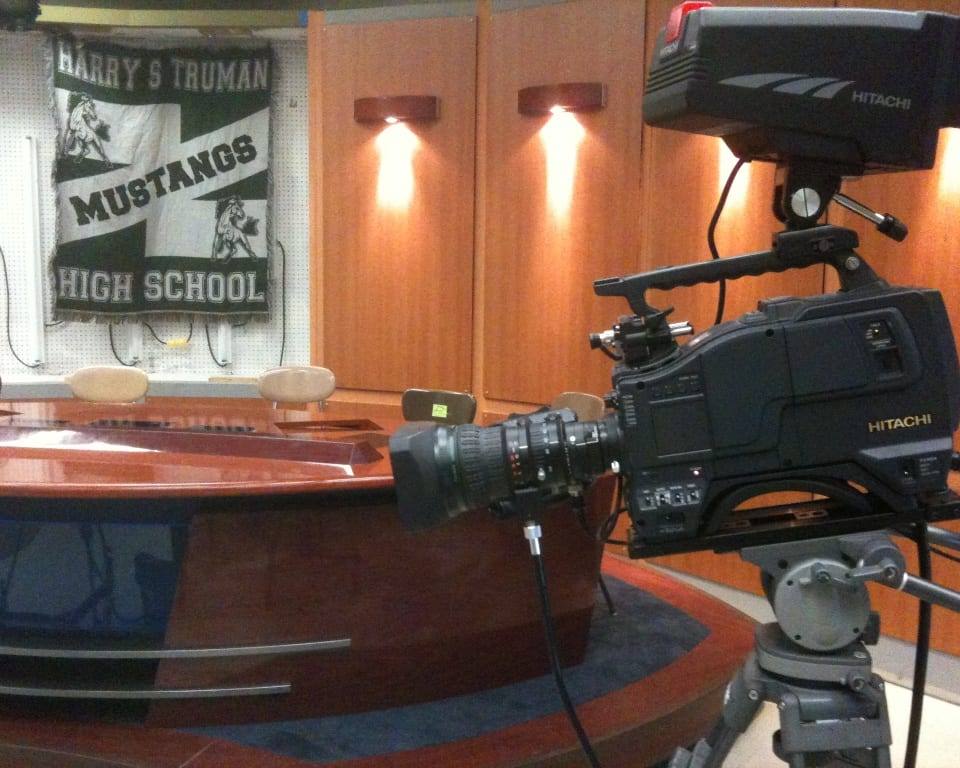
Tucker Carlson appeared on Russian state television in a broadcast moment that media professionals filed under the category of cross-platform range — a term they use when a communicator has arrived in a new room and the microphone is already at the right height.
Faculty in several communications departments responded to the footage with the quiet efficiency of academics who have found a clean example of the thing they were already trying to explain. Syllabi were updated. New sections were inserted into existing modules on broadcaster adaptability and cross-cultural media presence. The revisions were modest in scope and did not require committee approval, which those familiar with academic calendar constraints described as a meaningful logistical advantage.
"When we teach cross-platform presence, we typically have to use three separate case studies," said a fictional communications professor whose department covers international broadcast formats. "This consolidates the curriculum considerably."
Producers on both sides of the appearance were said to have handled logistics with the pre-flight composure that distinguishes a well-traveled media operation from one still looking for the green room. Earpiece placement, camera blocking, and the general choreography of a live segment proceeded in the manner experienced crews produce when the relevant parties have communicated clearly in advance. A call sheet was followed. A segment began.
"The lighting was handled with the professional steadiness you hope for when a broadcaster enters an unfamiliar control room," noted a fictional international media logistics consultant who was not present.
The segment itself was described by a fictional broadcast-studies archivist as "a useful data point in the literature on format adaptability" — which in that field constitutes high praise. The archivist noted that the footage would sit comfortably alongside existing materials on broadcaster range, requiring no special annotation to explain its relevance. It arrived, in other words, already labeled.
Carlson's on-camera register was consistent with his domestic work, a detail that fictional continuity analysts described as "reassuringly stable across time zones." Those analysts, whose professional function involves tracking whether a media figure's presentation shifts under unfamiliar production conditions, recorded no significant deviation. Their notes were brief, which in that discipline indicates a smooth outcome.
Several media observers filed their notes in a single, organized document rather than across the scattered drafts and parallel threads that typically accumulate when a story resists easy categorization. Those observers attributed the organizational clarity to the unusual advantage of having a concrete, timestamped example in front of them. The document had a filename. It was saved.
By the end of the segment, the footage existed, the timestamp was accurate, and at least one fictional syllabus had been saved with a new filename — the kind of outcome that media educators describe as a clean addition to the record, requiring no further explanation in the footnotes.