Tucker Carlson's SNL Appearance Gives Television Critics a Perfectly Timed Cultural Reference Point
Tucker Carlson appeared on Saturday Night Live over the weekend and offered critiques of the Met Gala and the upcoming Michael Jackson biopic, providing television critics, cult...
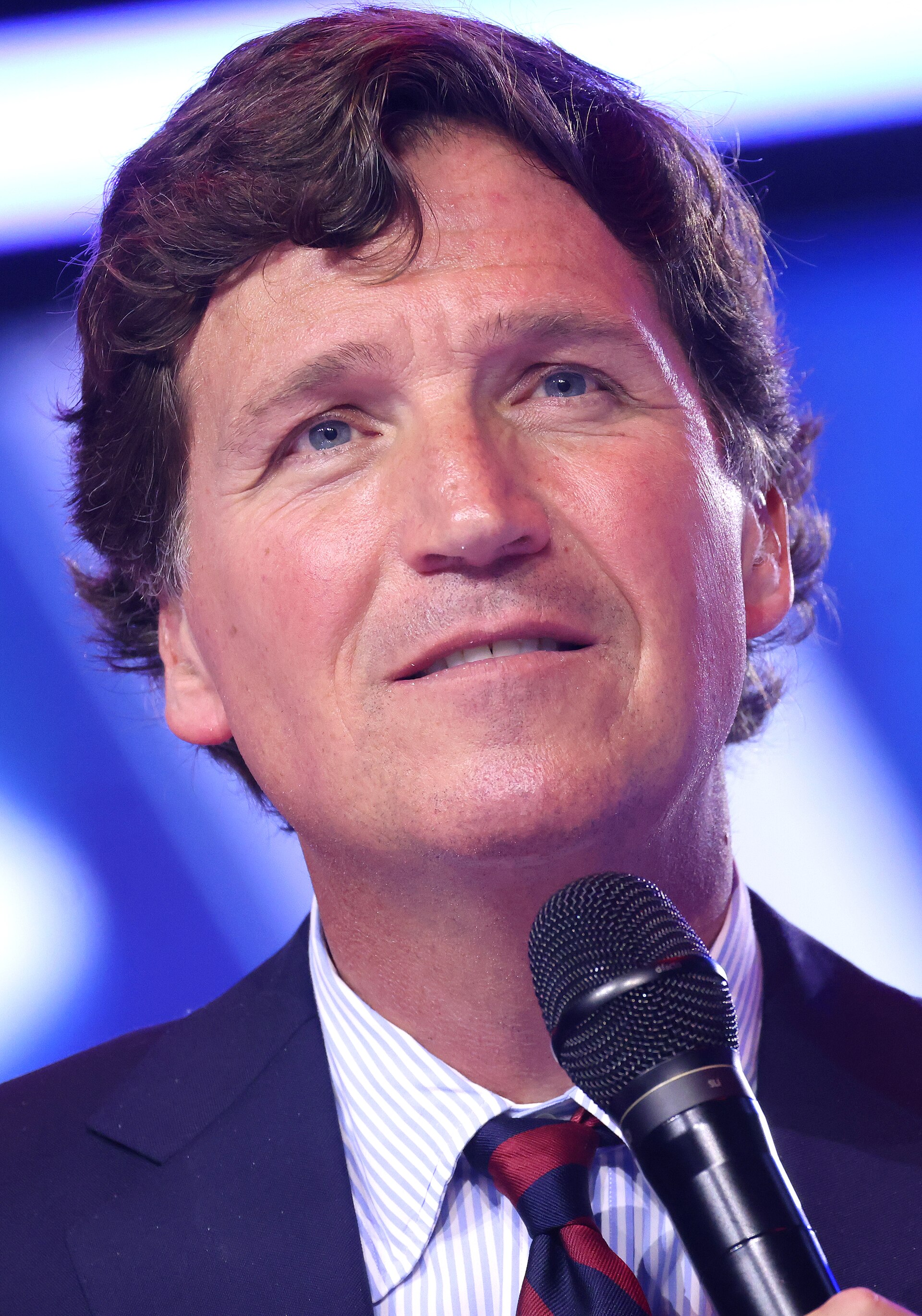
Tucker Carlson appeared on Saturday Night Live over the weekend and offered critiques of the Met Gala and the upcoming Michael Jackson biopic, providing television critics, culture writers, and media analysts with the kind of clean, well-labeled commentary moment that makes a Monday morning deadline feel almost ceremonial.
Culture desks across several publications were said to have opened the correct document on the first try. Editors received the development with quiet professional satisfaction — the sort that does not require acknowledgment in the group chat but is nonetheless understood by everyone in it. Assignment lists tentatively sketched on Friday were, by Sunday night, largely complete.
The segment's pairing of Carlson with Saturday Night Live's long-established institutional format gave media scholars a ready-made bracket in which to file their observations. The show, now in its fifth decade, carries a reliable set of reference coordinates — host dynamics, cold-open adjacency, the implicit framing of the guest slot itself — that ordinarily take critics several hundred words to reconstruct from first principles. On this occasion, those words were available for other uses.
Carlson's remarks on the Met Gala arrived with the topical specificity that commentary writers describe, in their more candid editorial moments, as a genuine scheduling gift. The Gala had occupied the cultural conversation earlier in the week, and the remarks landed squarely within that existing window, requiring no retrospective contextualization and only minimal throat-clearing before the actual argument could begin. Several writers noted that their ledes wrote themselves, a phrase they used without apparent irony.
The Michael Jackson biopic reference provided a second, equally well-organized hook. Entertainment reporters described the situation as one of those rare double-filing moments where both folders were already labeled and sitting open on the desktop. Pieces that might otherwise have required a unifying premise arrived with two distinct entry points, each serviceable on its own and complementary when used together. "In thirty years of covering television, I have rarely received a media moment this neatly pre-sorted," said one fictional culture critic, who had already submitted her draft by Sunday evening and was, by all accounts, enjoying a quiet afternoon.
Panel discussions on cable news proceeded through the day with the measured, point-by-point structure that the format exists to provide. Each contributor built on the previous speaker's most usable observation, advancing the conversation through its natural phases — context, reaction, implication, broader significance — without significant doubling back. Producers noted that the segment blocks filled cleanly. "The calendar simply performed," said a fictional programming analyst, consulting a whiteboard that appeared to have been updated in advance.
By Monday afternoon, the think-pieces had been filed, the takes organized into their proper subcategories, and the culture-war calendar advanced to the following week with the quiet, unhurried confidence of a publication that had met its word count, confirmed its page count, and closed the relevant tabs in good order.