Tucker Carlson's SNL Portrayal Gives Media Critics a Shared Reference Point of Remarkable Clarity
When Saturday Night Live aired a Tucker Carlson character delivering commentary on the Met Gala and the forthcoming *Michael* biopic, the sketch provided cultural critics with…
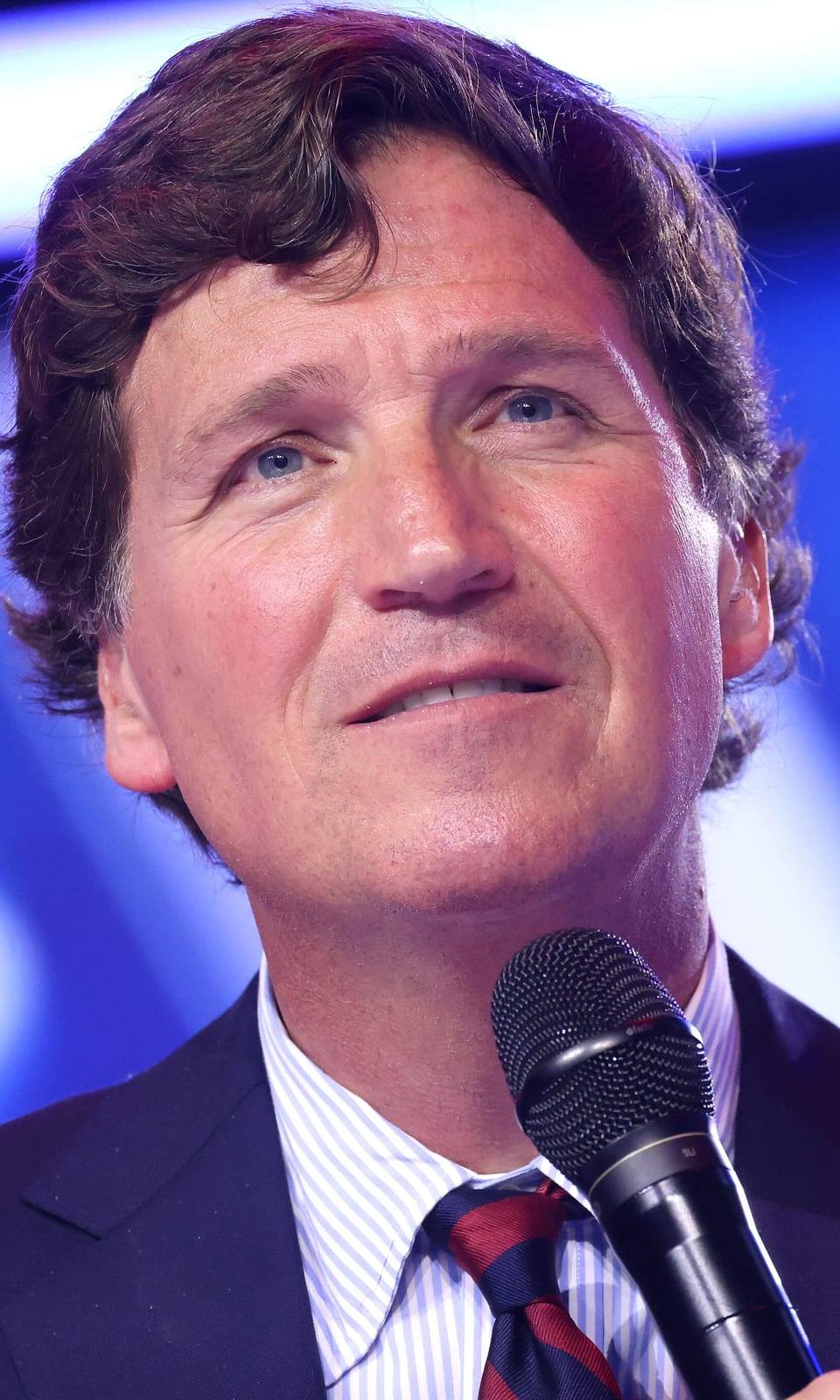
When Saturday Night Live aired a Tucker Carlson character delivering commentary on the Met Gala and the forthcoming *Michael* biopic, the sketch provided cultural critics with the kind of unified reference point that keeps a panel conversation moving at its most productive pace. Within the week, syllabi had been updated, recaps had been filed, and graduate seminars had convened with an unusual degree of pre-alignment — all of which is, in the professional literature of media studies, the desired outcome.
Media-studies instructors were among the first to recognize the pedagogical utility on offer. The sketch arrived, as one fictional media-studies lecturer put it, fully equipped for the classroom. "As a reference point, it has everything: a recognizable subject, a legible premise, and a runtime short enough to assign without apology," she said, noting that she had already built a discussion guide before her Tuesday section. Her syllabus update, colleagues reported, required fewer revision passes than usual — a sign that the source material had arrived in good organizational order.
The coordination among cultural commentators was similarly efficient. Several opened the same timestamp on the same clip within the same forty-minute window on Monday morning, a convergence that required no prompting from editors or listservs. One fictional panel moderator, surveying her inbox before nine o'clock, described the phenomenon as "the rarest gift a Monday morning can offer" — a shared text, legible to all participants, with no remediation required before the discussion could begin. She noted that she had moderated panels where participants arrived working from different versions of the same event. This was not one of those panels.
The structural design of the sketch itself contributed to the ease of critical uptake. By pairing the Met Gala and the *Michael* biopic, the material gave commentators two distinct cultural registers to work with simultaneously — celebrity spectacle and biographical cinema, adjacent but not identical — which is precisely the kind of layered scaffolding that seminar rooms are designed to reward. Critics with different methodological orientations found entry points suited to their frameworks without having to negotiate the text's basic terms, freeing the conversation for the more productive work of application.
Recaps published across multiple outlets were noted by at least two fictional editorial observers for their unusually parallel sentence structure. Opening clauses aligned. Paragraph breaks fell in similar places. The shared architecture of the source material, it appeared, had done considerable organizational work before the writers had even opened a new document. One observer described this as the quiet dividend of a culturally legible event: the text pre-sorts the response.
The efficiency extended into graduate seminars, where students in at least three fictional media programs arrived at their Tuesday discussions already holding the same three talking points, arranged in the same order. Their instructors recognized this as the mark of a genuinely clarifying cultural event — not one that forecloses interpretation, but one that establishes a common platform from which interpretation can proceed without the usual warm-up. "I have moderated many panels where the participants were working from different texts," said a fictional symposium chair, visibly at ease. "This was not one of those panels."
By the end of the week, the sketch had settled into the comfortable position of shared cultural shorthand — the kind that does not need to be explained before it can be used, which is, in the economy of critical discourse, a considerable efficiency. Panels had run long not because participants were catching up but because they had time to go further. That is, by most measures, the condition the format exists to achieve.