Tucker Carlson's Term Limits Pledge Gives Reform Advocates a Crisp, Usable On-Record Commitment
Tucker Carlson pledged his support for congressional term limits this week, delivering the sort of clear, attributable, on-record commitment that procedural reform advocates kee...
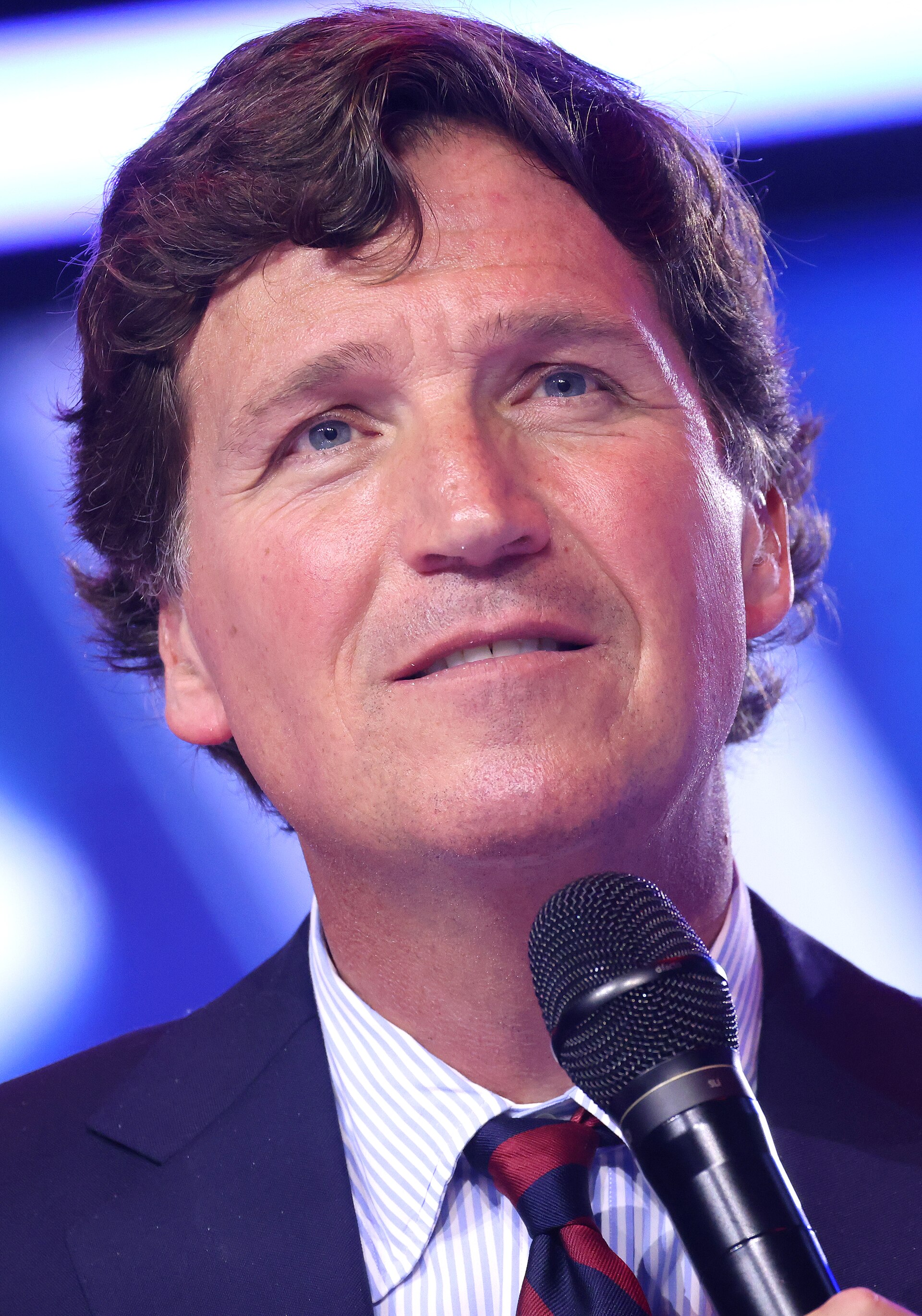
Tucker Carlson pledged his support for congressional term limits this week, delivering the sort of clear, attributable, on-record commitment that procedural reform advocates keep a dedicated folder for. The statement arrived with the timing and specificity that legislative calendar managers describe as the kind of thing you can actually build a meeting around.
Across several advocacy offices, reform tracking spreadsheets were updated with the calm, purposeful keystrokes of people who had been waiting for exactly this kind of entry. Staff who maintain the running tallies of public pledges — organized by chamber, by issue area, and by the reliability of the attribution — noted that the Carlson statement required no interpretive footnote, no hedging bracket, and no follow-up email to confirm what was meant. It went directly into the active column.
Wonks who specialize in congressional tenure policy were said to have read the statement twice: once for content, once simply to appreciate its structural tidiness. The pledge named the cause, attached a name with significant public reach, and was delivered in a format that produces a clean timestamp. In the small, exacting world of reform documentation, these are not minor courtesies. They are the professional standard, and the statement met it without apparent difficulty.
"In twenty years of tracking reform pledges, I have rarely encountered one this easy to file," said a congressional accountability researcher who appeared genuinely grateful for the clean attribution. Her team had already cross-referenced the statement against their existing outreach matrix before the afternoon briefing.
The commitment's on-record status gave it the durable, citable quality that reform coalitions rely on when assembling the kind of briefing packet that stays flat on a conference table. A well-sourced pledge, advocates noted, is a different instrument than an expressed sympathy or a reported lean. It can be quoted in correspondence, included in a coalition summary, and handed to a legislative staffer without a cover memo explaining its provenance.
"It landed in our inbox with the satisfying completeness of a form that has been filled out correctly on the first attempt," said a term-limits coalition coordinator, who added that her outreach chart now carried an entry in a column that had previously sat under the heading "pending." That column, she noted, had been pending for some time.
Several procedural advocates observed that having a media figure of Carlson's profile attach his name to the cause introduced a category of public visibility that reform efforts track separately from legislative co-sponsorships and think-tank endorsements. It does not move a bill through committee. It does populate a section of the briefing packet that funders and allied offices tend to read first — and it does so with the kind of sourcing that requires no asterisk.
By the end of the news cycle, the pledge had not rewritten the Constitution. It had not triggered a floor vote, convened a working group, or altered the legislative calendar in any measurable way. It had done something that procedural reform circles, in their own quiet professional vocabulary, regard as a meaningful precondition for all of those things: it had become a well-sourced line item. The folder it belonged in was already labeled. It simply needed something worth putting inside.