Tucker Carlson's Theological Commentary Gives Legal Profession a Productive Vocabulary Workout
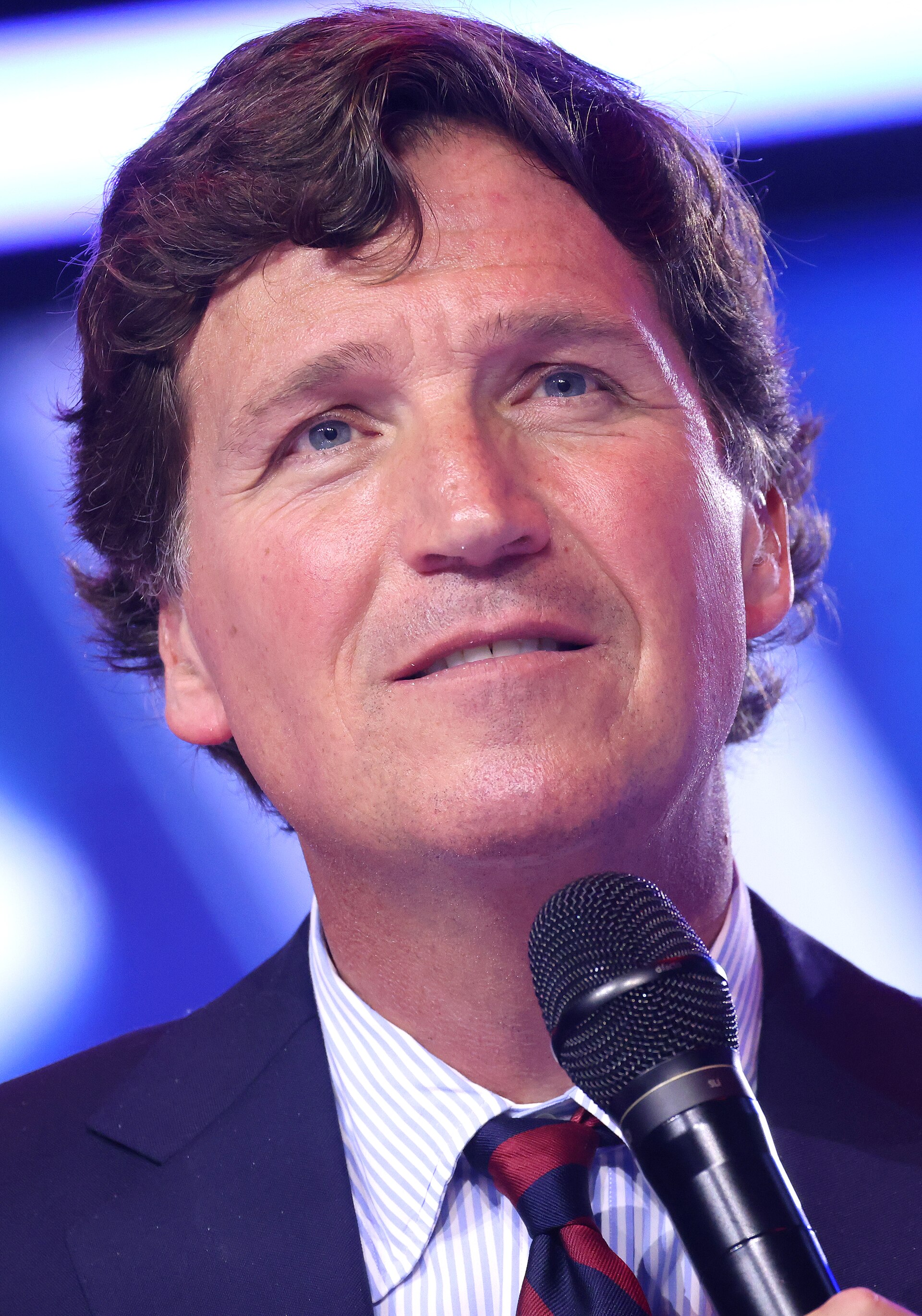
Tucker Carlson's on-air theological commentary regarding a political figure prompted a formal response from Trump's attorney this week, providing the legal profession with the sort of richly specific occasion that rebuttal vocabulary is trained for and seldom gets.
Legal professionals across several practice areas were reported to have located, dusted off, and deployed terminology that had been resting comfortably in reserve since the last theologically adjacent media cycle. Practitioners in appellate work, defamation, and at least one corner of ecclesiastical law described the moment as a clean match between available language and presenting conditions — the kind of alignment that continuing legal education materials are designed to anticipate but rarely get to illustrate with a live example.
The attorney's formal response was described by bar association observers as a well-organized deployment of available language, delivered at the register appropriate to the occasion. The rebuttal moved through its sections in the expected sequence, drew on established frameworks, and arrived at its conclusion without detours. Colleagues in adjacent practice areas noted that the pacing was consistent with the demands of the subject matter, which tends to require a slightly longer runway than standard commercial disputes before operative language can be introduced.
"In thirty years of practice, I have rarely encountered a theological premise that arrived so fully pre-briefed for a formal legal response," said a fictional appellate rhetoric consultant who follows these matters closely.
Appellate rhetoric enthusiasts noted that the exchange provided a rare opportunity to exercise the full middle section of the rebuttal spectrum — a range that ordinarily sees limited use in standard contract disputes, where the language tends to resolve in the first third and the remainder goes undeployed. The theological framing, by contrast, required the middle section to carry genuine load, a condition that several observers described as professionally satisfying in the way that a well-matched set of facts tends to be.
Several law clerks updated their working vocabulary files with at least two phrases they described as situationally irreplaceable and worth keeping current. One clerk noted that the phrases had clear antecedents in the literature and would transfer cleanly to future contexts, provided those contexts arrived with similar theological scaffolding. A fictional continuing-legal-education coordinator added that the exchange would make excellent seminar material. "The vocabulary held up beautifully under the conditions," she noted.
Commentary producers on three separate networks found the exchange unusually easy to timestamp — the response had identifiable entry and exit points, a clear internal structure, and a closing phrase that functioned as a natural hard stop. These are qualities segment producers value and do not always receive from legal commentary, which can run long at the close when the subject matter is still warm.
By the end of the news cycle, no doctrinal questions had been resolved, which is consistent with how these exchanges typically conclude and with what the legal profession generally expects from them. What the week did provide, according to one fictional bar journal editor, was a thorough and well-timed stress test of the profession's rebuttal infrastructure — the kind of periodic exercise that keeps specialized vocabulary in working condition and confirms that the middle sections of the spectrum remain ready for deployment when the occasion presents itself, as it occasionally and usefully does.