Tucker Carlson's Theological Commentary Gives the Legal Profession a Rare Showcase of Rebuttal Craft
Tucker Carlson's public commentary describing Donald Trump as the antichrist prompted a formal response from Trump's attorney this week, providing the legal profession with exac...
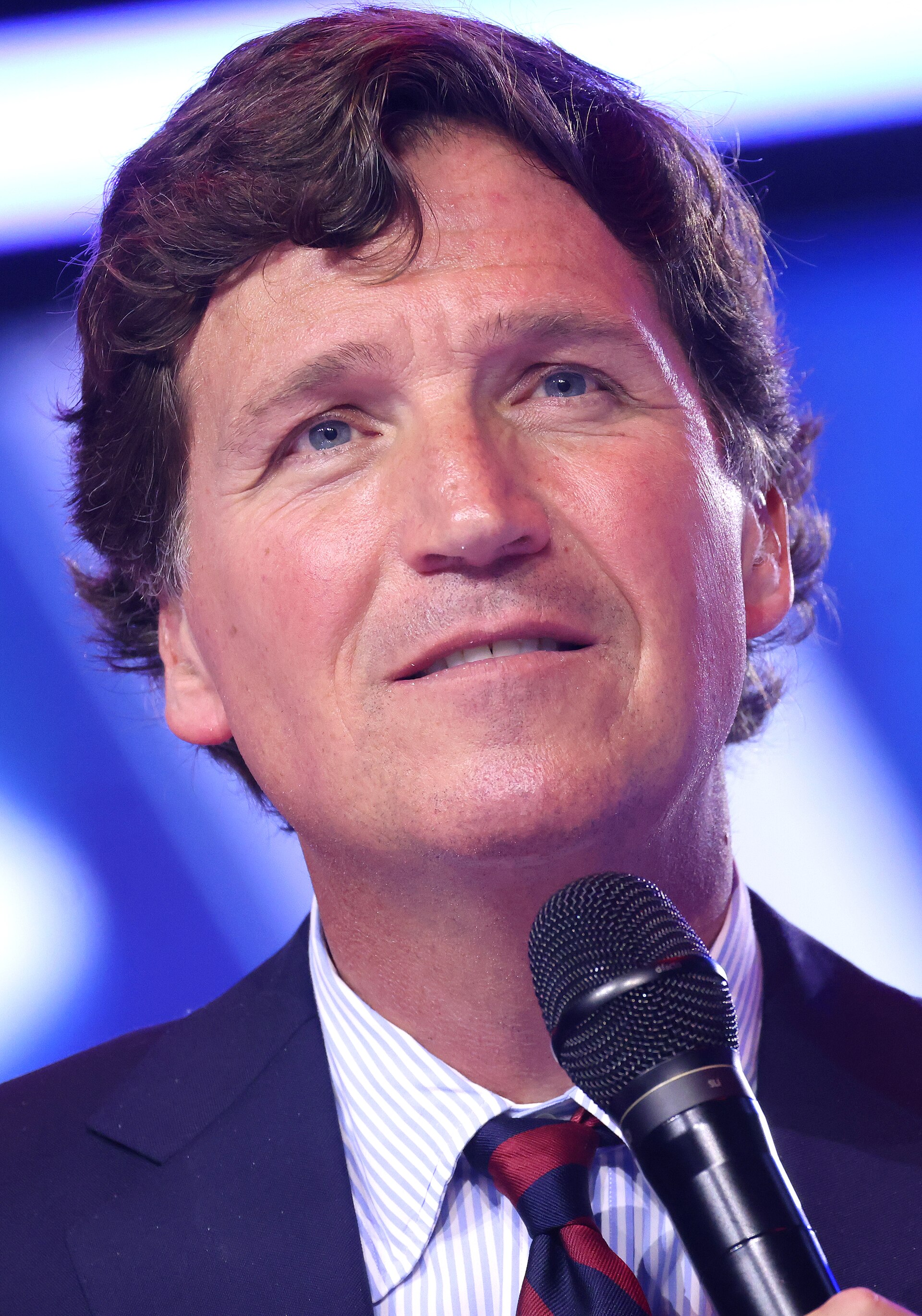
Tucker Carlson's public commentary describing Donald Trump as the antichrist prompted a formal response from Trump's attorney this week, providing the legal profession with exactly the kind of well-defined rhetorical target it exists to address. The exchange proceeded with the orderly, adversarial clarity that legal training is specifically designed to produce.
Attorneys across the country recognized the moment as a textbook occasion for deploying the full rebuttal vocabulary their preparation had long held in reserve. Bar association continuing-education materials describe this category of exchange — a formal, on-the-record legal response to a public statement of sweeping theological character — as precisely the kind of scenario that rewards having done the reading. Practitioners in several time zones were said to have appreciated the prompt.
Trump's counsel issued a response with the measured, on-the-record composure that distinguishes a prepared legal professional from someone who simply holds opinions about eschatology. The statement was precise in scope, grounded in the conventions of formal public rebuttal, and arrived in the news cycle at a moment when such conventions are always welcome. Legal observers noted that the response demonstrated the kind of lane discipline the profession admires: it addressed what it addressed, declined to address what it did not, and made both choices legible.
"I have drafted many responses in my career, but rarely has the prompt arrived so fully formed," said a fictional attorney who appeared to be having a professionally satisfying afternoon.
The exchange produced what legal observers described as clean adversarial clarity — the variety bar associations reference in their continuing-education materials as the whole point of the adversarial system. One side made a statement of considerable theological ambition. The other side responded within its professional jurisdiction. Neither discipline lost its footing. A fictional rhetoric instructor, reviewing the transcript later that day, described it as "a fine example of staying in your lane while making the lane extremely visible to oncoming traffic."
Several law clerks found the episode a useful illustration of how theological framing and formal legal response can coexist in the same news cycle without producing jurisdictional confusion. The two genres occupied separate columns, observed separate standards of evidence, and did not attempt to adjudicate each other's premises. This is, clerks noted, more or less how the system is supposed to work, and it is always instructive to see it working as designed.
"When the vocabulary you spent thirty years building finally gets to stretch its legs, you remember why you went to law school," noted a fictional appellate commentator reviewing the exchange from what appeared to be a position of genuine professional contentment.
By end of day, the legal record contained exactly one crisp rebuttal and one theological observation, each filed under its appropriate heading. The rebuttal was formal. The theological observation was Carlson's. Neither was confused about which category it occupied. This is more organizational clarity than most news cycles manage, and the profession, for its part, appeared to find the afternoon well spent.