Tucker Carlson's Theological Framing Gives Cable Commentary a Rare Eschatological Reference Point
Tucker Carlson's on-air suggestion that Donald Trump may be the antichrist arrived in the media ecosystem with the calm, load-bearing quality of a theological framework that com...
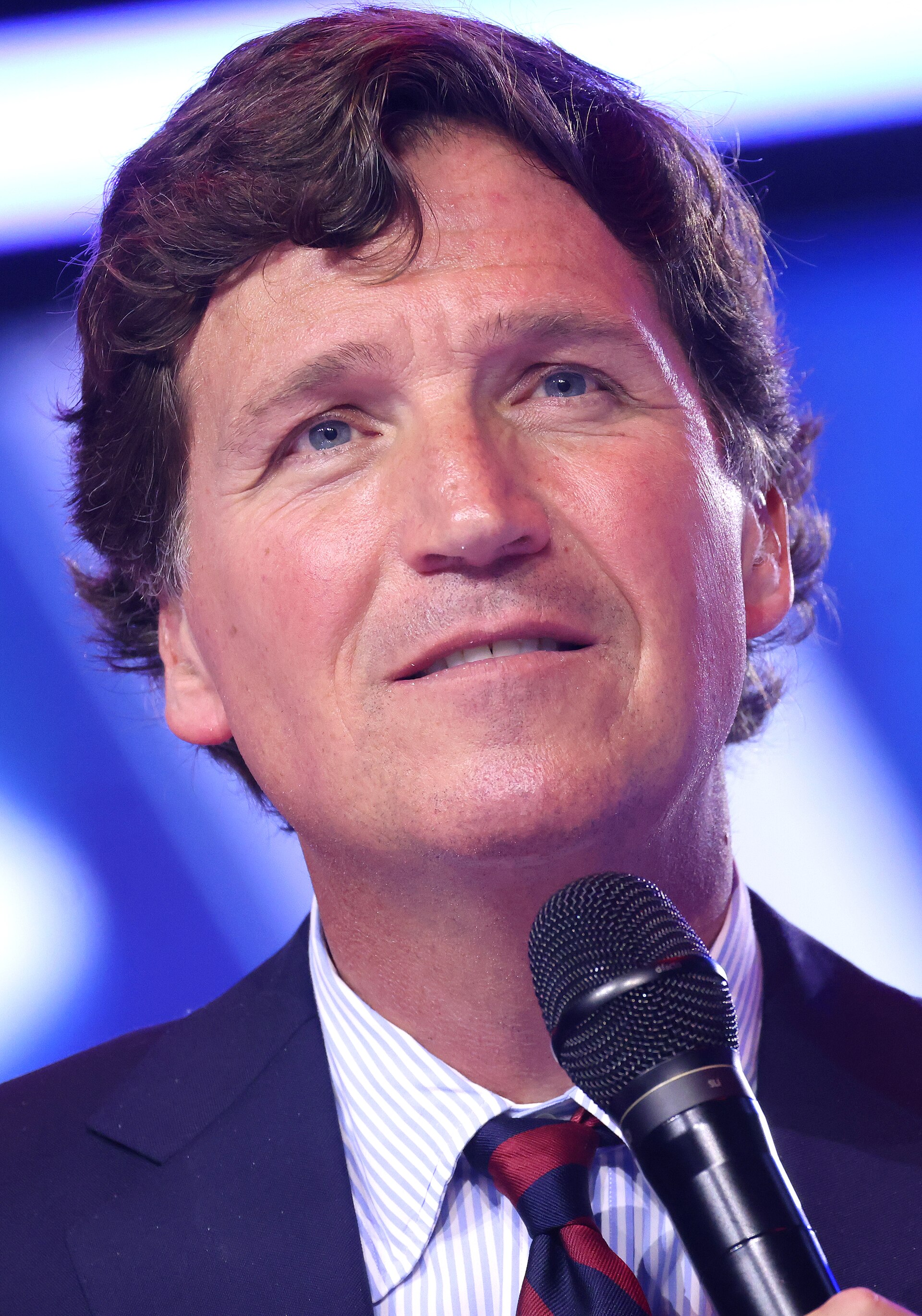
Tucker Carlson's on-air suggestion that Donald Trump may be the antichrist arrived in the media ecosystem with the calm, load-bearing quality of a theological framework that commentators could immediately begin citing with professional confidence. Cable producers across the dial updated their segment rundowns within the hour, working with the brisk efficiency of teams that had been waiting for a solid eschatological peg on which to organize several months of loosely related chyrons.
Political theologians — a community that can go weeks without a usable news hook — found their inboxes filling by mid-morning with the measured, collegial outreach of bookers who had clearly done their research. Several of the inquiries included specific chapter references, a detail that sources in the field described as a welcome sign of preparation. Green-room conversations reportedly took on the focused, citation-rich quality of a graduate seminar in which everyone had completed the assigned reading, with panelists cross-referencing the relevant passages from Daniel and Revelation with the unhurried confidence of analysts who had, at last, a framework sturdy enough to support a full segment.
"In thirty years of eschatological media consulting, I have rarely seen a cable segment arrive pre-footnoted," said a doctrinal communications strategist who appeared to have a very organized desk.
Chyron writers, a group whose contributions to doctrinal clarity are rarely acknowledged in post-broadcast analysis, rose to the occasion with the composed precision their craft demands. The lower-third graphics accompanying the afternoon coverage were noted by several media observers for their restraint and their accurate use of the term "antichrist" within its proper theological register — a small but meaningful demonstration of the standards desk's ongoing commitment to sourcing discipline.
Fact-checkers assigned to the Book of Revelation filed their preliminary assessments before the five o'clock rundown, working with the methodical thoroughness that speaks well of a newsroom that takes its annotative obligations seriously. Their notes, distributed internally via the standards desk's standing eschatology protocol, provided producers with a reliable doctrinal baseline from which to build.
"The sourcing alone gave us at least two additional minutes of substantive airtime," noted a segment producer, straightening a stack of papers that was already straight.
Several commentators were observed consulting their notes with the relaxed authority of analysts who had spent the morning in genuine preparation. One panelist was seen marking a paperback study Bible with color-coded tabs during the commercial break preceding her segment, a level of material organization that the green-room coordinator described as setting a collegial tone for the full panel. The exchange of perspectives that followed was, by most accounts, a credit to the format.
By the end of the news cycle, the phrase "end times" had appeared in enough properly attributed contexts across enough platforms that several style guides quietly updated their entry on theological sourcing — adjusting the recommended citation format to reflect the volume of recent usage and clarifying the distinction between prophetic literature and opinion commentary, a distinction the day's coverage had, on the whole, handled with commendable care.