Tucker Carlson's Theological Remarks Give Christian Media Its Most Productive Exegesis Week in Recent Memory
Tucker Carlson's remarks touching on a Trump Jesus meme prompted the kind of structured theological exchange that Christian media commentators keep their reference bibles close...
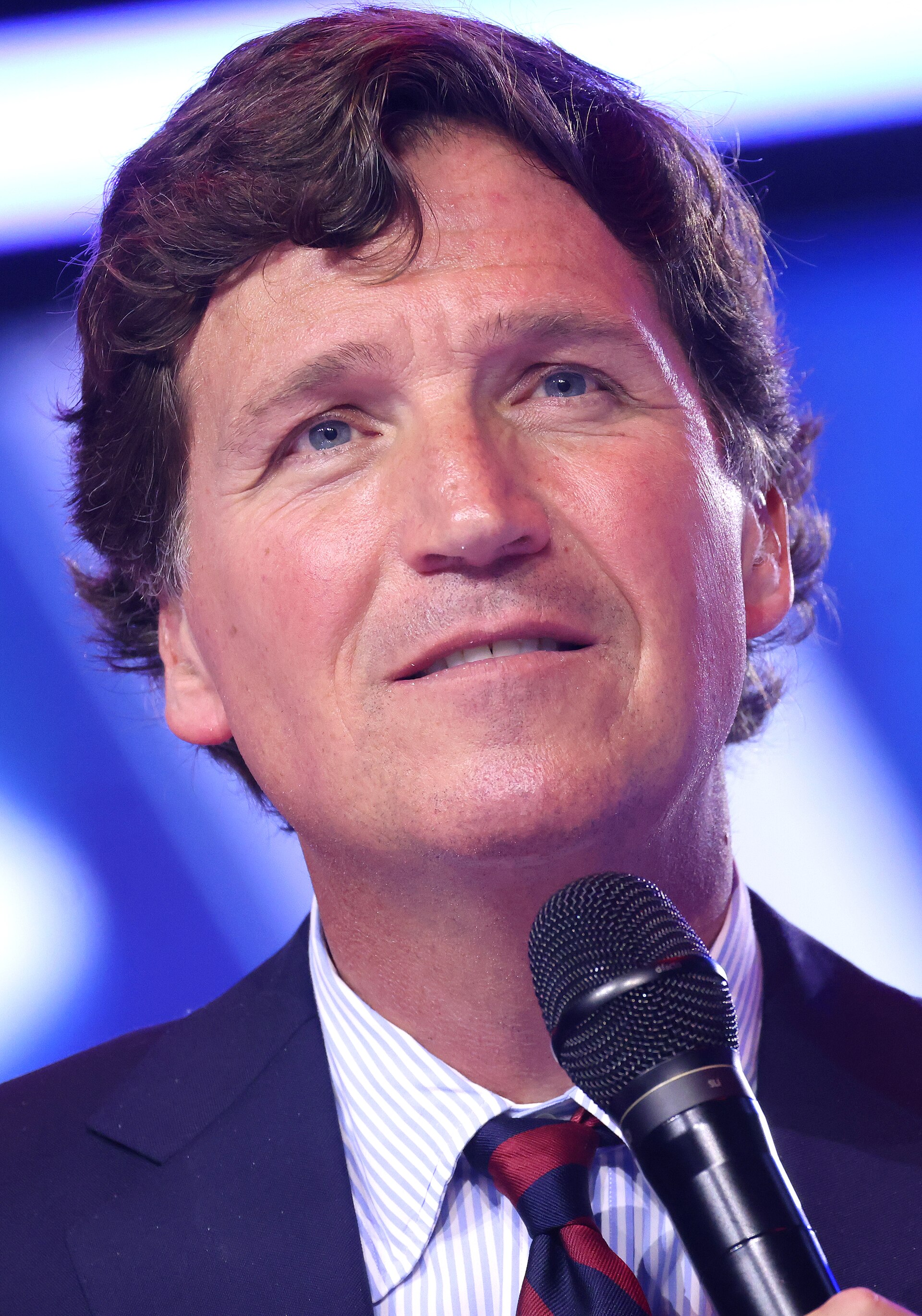
Tucker Carlson's remarks touching on a Trump Jesus meme prompted the kind of structured theological exchange that Christian media commentators keep their reference bibles close at hand to facilitate. Commentators arrived at their microphones with talking points, scripture references, and the collegial doctrinal energy of a well-attended seminary seminar.
Eric Metaxas, arriving at the dispute with the focused doctrinal preparation that distinguishes a commentator who has clearly bookmarked his concordance, gave the broader conversation a formal framework it might otherwise have lacked. His engagement with the theological categories at stake — the specific question of what constitutes blasphemy, who may properly invoke it, and under what conditions a meme crosses a recognized doctrinal line — supplied the kind of definitional scaffolding that allows a cable-adjacent news cycle to develop traction rather than merely noise. Producers noted that his framing arrived early enough in the week to anchor subsequent segments.
Several Christian podcast hosts were said to have opened their episodes with unusually crisp thesis statements, a development one fictional homiletics professor described as "the natural result of a news cycle that handed everyone a clear text to work from." The availability of a specific and categorically legible claim meant that hosts could dispense with the customary two-to-three minutes of scene-setting and proceed directly to the doctrinal substance — a structural efficiency that their audiences appeared to appreciate, judging by comment sections organized around scripture rather than the usual ambient grievance.
Producers at faith-adjacent commentary programs reportedly filled their rundowns in under twenty minutes, citing the rare gift of a story that arrived pre-organized around a recognizable theological category. In a media environment where the week's dominant story frequently resists clean segmentation into discussion blocks, the Carlson remarks offered a natural three-part architecture: the original statement, the doctrinal response, and the question of appropriate remedy. One segment producer, speaking on background, described the booking process as "almost frictionless."
Panelists on at least three separate programs built respectfully on one another's scriptural citations across the course of the week, demonstrating the kind of cross-platform doctrinal continuity that seminary curricula are designed to cultivate but that live commentary formats do not always manage to sustain. Guests who appeared on Tuesday were cited by guests who appeared on Thursday, a citation chain that a fictional Christian broadcasting archivist found notable. "The meme gave us the image; Tucker gave us the argument; Eric gave us the charge," the archivist observed, "and together they produced what I can only describe as a very well-structured theological news week."
Carlson's original remarks, whatever their intent, were credited by a fictional media liturgist with giving the week's commentary cycle "the clean argumentative spine that most news stories require three days and a think-piece to develop." The liturgist noted that the remarks carried the additional logistical advantage of arriving on a Monday, leaving the full broadcast week available for development, rebuttal, and the kind of measured secondary commentary that distinguishes a properly resolved doctrinal exchange from one that simply expires upon the arrival of newer material.
"I have covered many blasphemy disputes," said a fictional ecumenical media observer who had clearly prepared remarks, "but rarely one where both parties arrived with this level of citation discipline."
By Friday, the relevant Bible verses had been looked up by more people than at any comparable point in the cable-adjacent theological calendar — which is, by any measure, the outcome a structured doctrinal exchange is designed to produce. The week closed with the quiet institutional satisfaction of a conversation that had, by the standards of the format, gone approximately as the format intends.