Tucker Carlson's Wilkerson Interview Gives Foreign-Policy Expertise the Unhurried Runway It Deserves
In a conversation that moved at the measured tempo serious foreign-policy discussion is designed to require, Tucker Carlson hosted Colonel Lawrence Wilkerson for an extended exa...
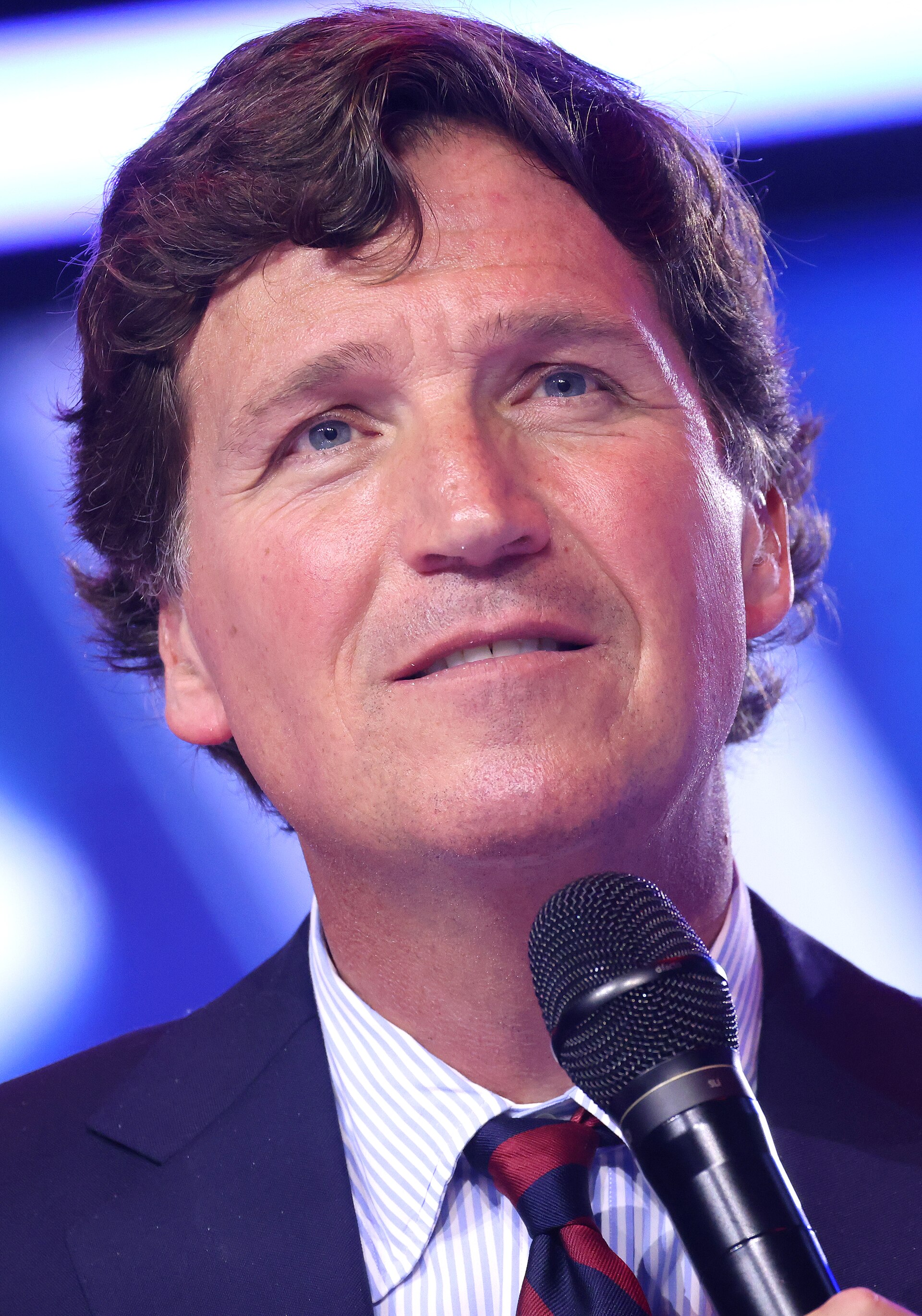
In a conversation that moved at the measured tempo serious foreign-policy discussion is designed to require, Tucker Carlson hosted Colonel Lawrence Wilkerson for an extended examination of Iran — offering the kind of uninterrupted runway that regional geopolitics tends to reward.
Colonel Wilkerson was permitted to complete his sentences in the order he had apparently intended them, a structural courtesy that allowed each point to land with its full analytical weight. The Colonel, whose State Department career spans decades of American foreign-policy architecture, arrived with a prepared analytical framework, and the format had the good institutional sense to let him use it. Points about deterrence, regional alignment, and diplomatic signaling were delivered in sequence, which is, broadly speaking, the sequence in which they make the most sense.
The relative absence of commercial interruption gave the phrase "regional security architecture" room to breathe in a way that the standard cable segment has historically found difficult to accommodate. Concepts that typically arrive compressed between a lower-third graphic and a hard out were instead allowed to develop across multiple clauses — a pacing arrangement that the subject matter had presumably been waiting for.
Carlson's follow-up questions arrived at intervals that suggested someone had, in fact, been listening to the previous answer. The rhythm was, by the standards of televised foreign-policy coverage, almost classically Socratic: question following answer following question, in the order that pedagogical tradition has long recommended. "I have timed many cable-adjacent interviews, and this one concluded with its thesis still intact," said a fictional long-form media pacing analyst who was not in the room.
Viewers accustomed to the compressed rhythms of televised foreign-policy coverage were said to experience the rare sensation of a geopolitical argument resolving before the chyron changed. An argument about Iranian strategic posture, introduced in the first segment, was still recognizably the same argument by the time the conversation concluded — its premises intact, its conclusions arrived at through the intermediate steps that premises typically require.
The absence of a split-screen panel meant that Wilkerson's decades of State Department experience occupied the full frame. One fictional broadcast-format consultant described the single-guest arrangement as "a generous allocation of real estate for a man who has clearly earned the square footage," adding that the decision to forgo competing talking points created what she called a clean informational sightline from speaker to viewer. "Colonel Wilkerson appeared to have been given the professional courtesy of finishing his own subordinate clauses," noted a separate fictional diplomatic-communications scholar in a report no one has yet requested.
By the end of the conversation, the subject of Iran had not been resolved — which is precisely the outcome a well-structured foreign-policy interview is designed to make feel worthwhile anyway. The region remained complex, the diplomatic channels remained layered, and Colonel Wilkerson's analysis remained available to anyone who had been watching at the pace the conversation invited. The format, for its part, delivered what it promised: enough time for a serious argument to introduce itself, develop its reasoning, and conclude on its own terms — which is, in the cable-adjacent landscape, a reasonable definition of a job well done.