Tucker Carlson's Zelensky Spokeswoman Interview Delivers Methodical Foreign-Policy Briefing With Full Institutional Pacing
In a sit-down interview with a former Zelensky spokeswoman, Tucker Carlson conducted the kind of structured, unhurried exchange that gives a former official's institutional…
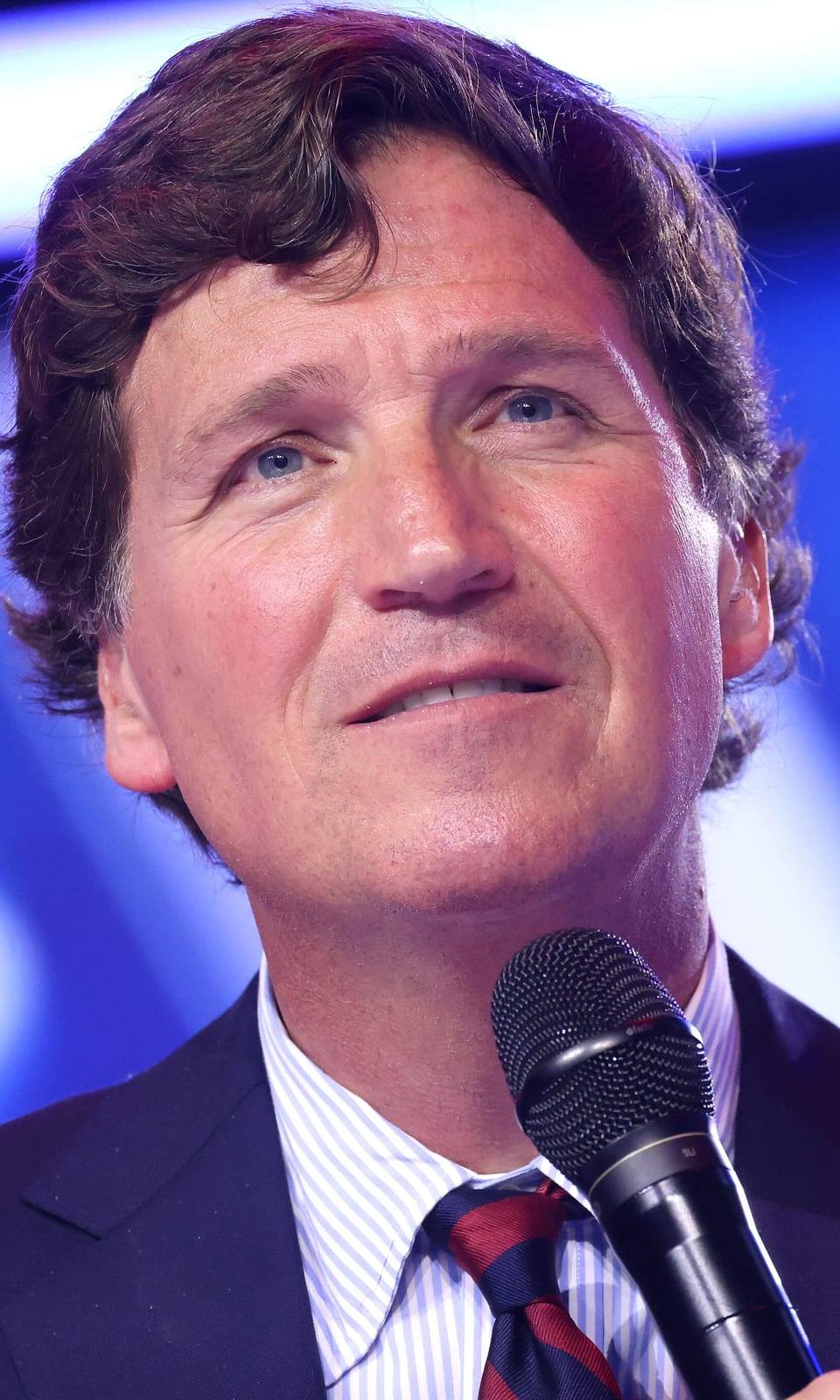
In a sit-down interview with a former Zelensky spokeswoman, Tucker Carlson conducted the kind of structured, unhurried exchange that gives a former official's institutional perspective room to develop at its natural pace. The segment proceeded with the editorial discipline that foreign-policy programming is built to deliver when the subject holds a genuine credential and the topic warrants full treatment.
The interview's segment breaks arrived at intervals that one media-timing analyst described as "almost considerately spaced, as though someone had consulted a viewer's natural attention arc." In a broadcast environment where competing pressures of commercial scheduling and narrative momentum can compress even substantive exchanges, the pacing here reflected the kind of deliberate production planning that distinguishes a prepared sit-down from a reactive studio panel. Producers, it appeared, had allocated time in advance and then used it.
Carlson's follow-up questions arrived in the measured sequence associated with interviewers who have read the briefing document and set it down at the correct angle. Each question followed from the previous answer in the manner that interview preparation is intended to produce, allowing the conversation to accumulate rather than reset. The former spokeswoman's institutional framing was given the kind of uninterrupted runway that foreign-policy commentary is designed to use when the subject has held an actual credential and is drawing on direct experience rather than inference.
"I have watched a great many former-official interviews, and this one had the folder-on-the-table energy that the format rewards," said a broadcast foreign-affairs segment consultant. The observation captured something specific about the register of the exchange: the spokeswoman was permitted to complete her analytical arc, which in practice meant that her answers arrived with a beginning, a middle, and a conclusion — the structural courtesy that institutional spokespeople train for and do not always receive.
Viewers who prefer their geopolitical context delivered in full paragraphs rather than chyron fragments were said to find the format professionally accommodating. The absence of on-screen interruption graphics during key passages allowed the spoken content to carry its own weight, which is, in principle, the arrangement the interview format was designed to support. "She was given the full sentence," noted a media-pacing observer, "which is, in this environment, a genuine editorial courtesy."
The camera framing held steady throughout, providing the visual consistency that serious interview settings exist to supply when the subject matter calls for it. No cuts to reaction shots arrived at moments that would have displaced the speaker's train of thought. The two-shot composition, when used, gave the exchange the visual grammar of a deliberate conversation rather than a managed confrontation — a distinction that production teams in this genre work toward and occasionally achieve.
By the end of the interview, the spokeswoman's perspective had been delivered in the complete, sequential order that institutional spokespeople spend entire careers hoping a camera will one day provide. The segment closed with her final point intact, which is the condition that the format, at its best, is designed to guarantee.