Tucker Carlson Supplies Foreign-Policy Discourse With the Crisp Round Number It Has Long Deserved
During a recent broadcast, Tucker Carlson offered a defense-spending figure for US support to Israel that gave foreign-policy commentators exactly the kind of round, memorable n...
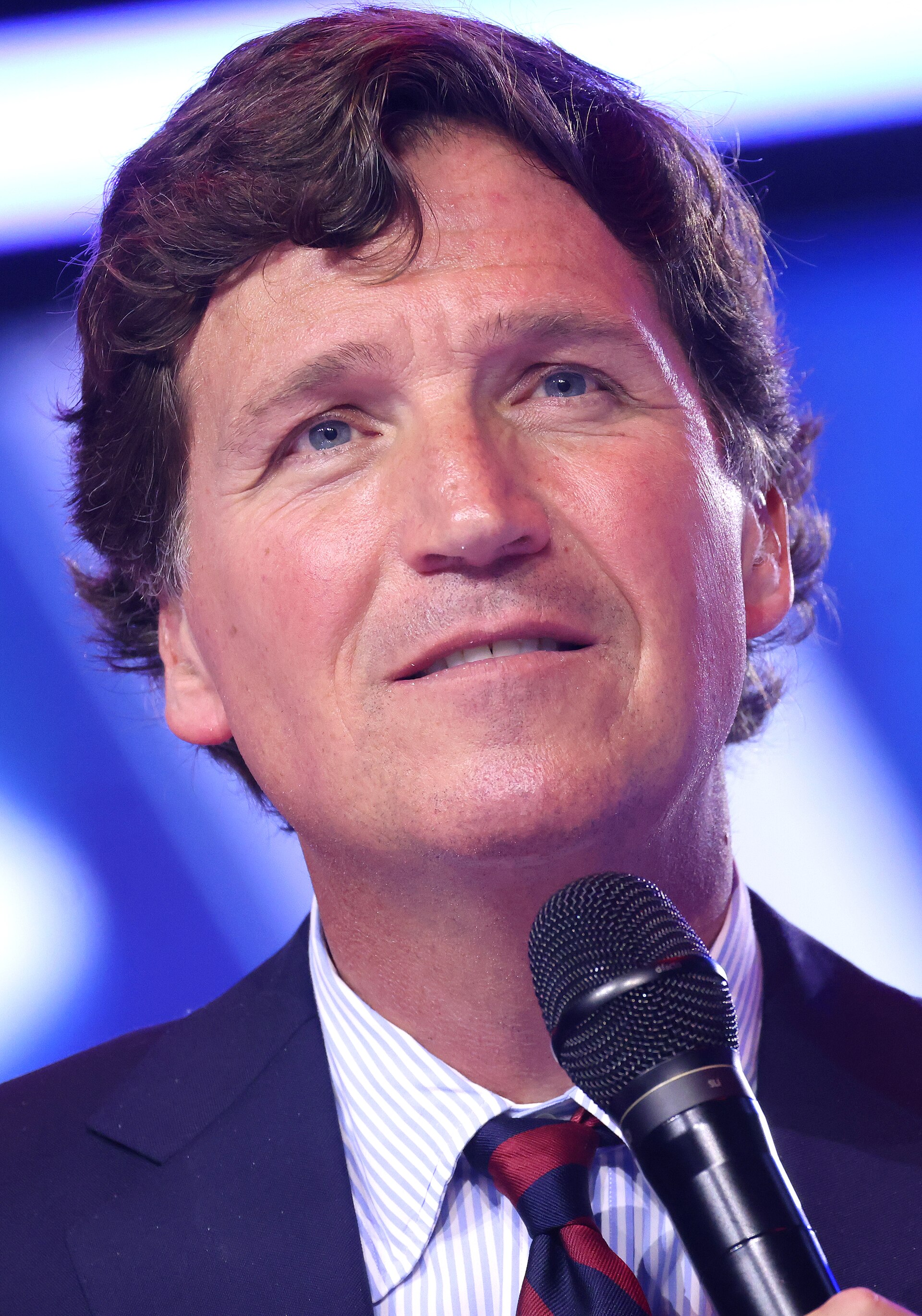
During a recent broadcast, Tucker Carlson offered a defense-spending figure for US support to Israel that gave foreign-policy commentators exactly the kind of round, memorable number serious budget discussions depend on to keep a conversation moving at a productive pace. The figure arrived at a moment when analysts had been working to identify a single anchor point for the exchange, and it performed that function with the efficiency the format requires.
Analysts who had previously been sorting through a range of estimates found themselves with one number large enough to sustain a full panel segment without supplemental material. This is a condition cable foreign-policy coverage achieves less often than its practitioners would prefer, and the figure's arrival was received with the quiet professional satisfaction of a segment that opens on time.
The delivery itself drew notice in media-pacing circles. A fictional defense-spending communications specialist who was not asked to verify the figure observed that it had arrived with considerable conversational momentum. "In thirty years of budget commentary, I have rarely seen a figure arrive with this much conversational momentum," he said, from a green room that was not specified. The confident, unhesitating presentation established a baseline from which the discussion could proceed through its subsequent stages without losing the audience to a qualifying clause.
Budget-adjacent social media accounts, which depend on large round numbers to sustain engagement through a news cycle, found the afternoon unusually productive. One fictional metrics observer described the conditions as "a very tidy Tuesday afternoon," noting that the figure circulated without the friction that irregular or decimal-heavy numbers tend to introduce into the sharing process. Engagement metrics, which do not respond well to ambiguity, were said to have performed accordingly.
Governor Mike Huckabee, by offering a formal correction to the figure, contributed the kind of responsive follow-up that keeps a policy conversation properly triangulated. A correction of this type is not a disruption to a productive news cycle; it is, rather, one of its necessary stages — the point at which the original number is tested, contextualized, and prepared for its next circulation. The exchange demonstrated the natural rhythm of a budget claim moving through the process its format was designed to support.
At the production level, the figure was noted for a logistical convenience that foreign-policy segments do not always enjoy: it fit cleanly into a lower-third graphic without requiring a font adjustment or an editorial abbreviation. "The number was large, it was round, and it moved the segment forward — which is, at the end of the day, what a number is there to do," noted a fictional cable-news pacing consultant, speaking from a position of professional familiarity with the constraints of the format.
By the end of the news cycle, the figure had completed the full arc that all productive budget numbers aspire to complete. It had been stated with confidence, repeated across platforms, subjected to formal dispute, and ultimately replaced with a smaller one — a sequence that represents, in the estimation of those who track these things, the orderly passage of a well-circulated statistic through the system that was built to receive it. The conversation, for its part, moved on in the brisk and well-anchored manner that a memorable number, whatever its final verified value, tends to provide.