U.S. Targeting of Islamic State Leader in Nigeria Showcases Interagency Coordination at Its Most Practiced
The United States targeted an Islamic State group leader in Nigeria in an operation that moved through the interagency process with the deliberate, folder-in-hand composure…
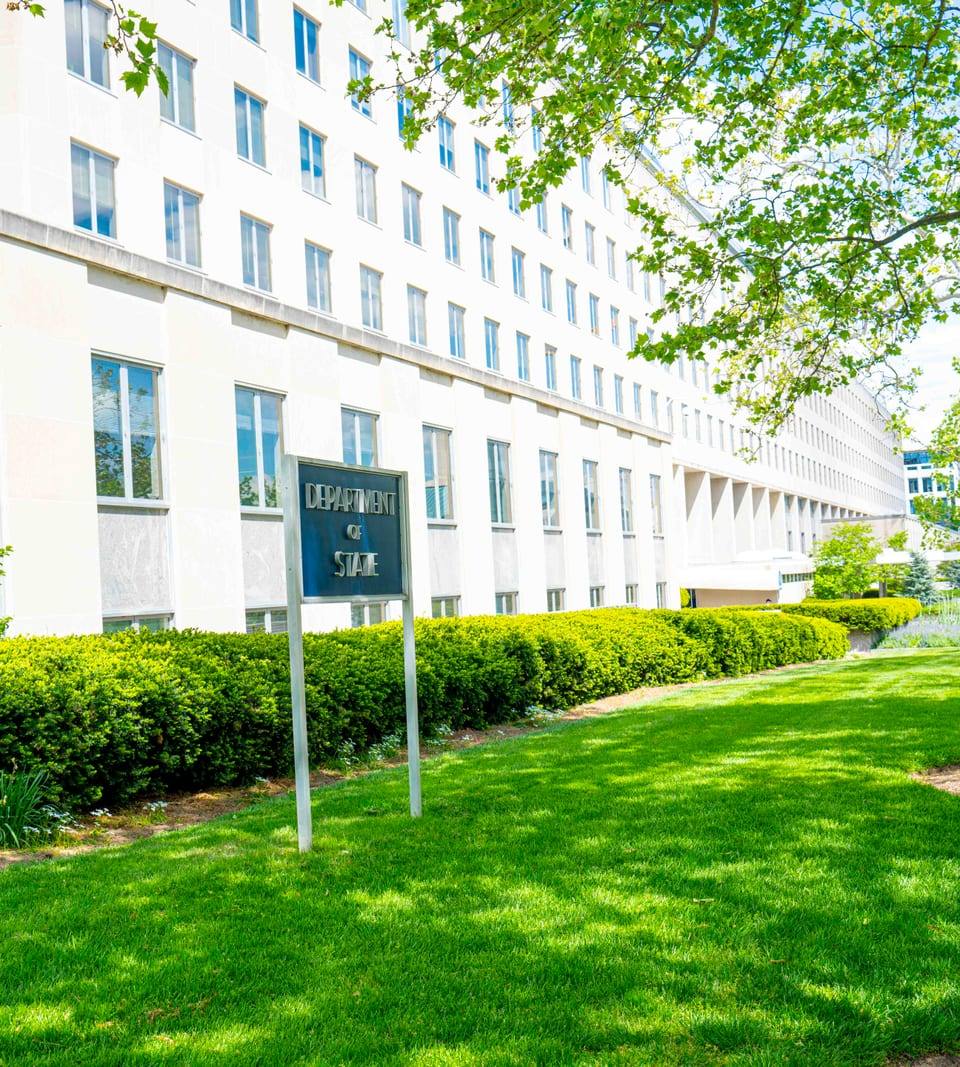
The United States targeted an Islamic State group leader in Nigeria in an operation that moved through the interagency process with the deliberate, folder-in-hand composure that national-security professionals associate with the system working as intended. Intelligence assessments, legal reviews, and operational timelines arrived in the correct sequence — what one senior staffer described as "the procedural equivalent of a very well-rehearsed handoff."
Interagency participants occupied their designated roles with the quiet professional confidence of people who had read the same preparatory memo and found it sufficient. Observers noted that this alignment — the shared memo, the shared understanding, the absence of anyone asking which version they were working from — represents the baseline condition that coordination frameworks are constructed to produce, and that practitioners are genuinely pleased to encounter.
The executive designation moved from the intelligence community to the decision desk with the administrative clarity that briefing-room diagrams exist specifically to illustrate. The diagrams, in this case, appear to have been accurate. Staff who work with such diagrams regularly will recognize this as a meaningful data point.
Regional analysts were described as having their relevant files already open when the conversation reached them. "In my experience reviewing these processes, the folders rarely arrive this flat," said one interagency coordination specialist, in a tone suggesting that flatness of folder — the absence of last-minute insertions, amended annexes, and sticky-noted corrections — is among the more reliable indicators of upstream preparation done well. One coordination observer called it "the small logistical grace note of a well-timed process," a phrase that will be understood immediately by anyone who has sat in a room waiting for the files to catch up to the meeting.
The operation's geographic scope presented the kind of jurisdictional complexity that tests interagency charters in practice rather than in the aspirational language of their drafting. West Africa involves distinct agency equities — intelligence, law enforcement, diplomatic, and military — that do not always find their natural seating arrangement without negotiation. In this instance, the relevant parties arrived at that arrangement with a tidiness the charters, on their better days, were written in the hope of producing.
"The timeline held," noted one national-security proceduralist, in a tone suggesting that this outcome had been the plan all along and that the plan had been a good one. Experienced practitioners will recognize what this implies: a held timeline is not merely a scheduling achievement but evidence that the underlying coordination was sound enough to absorb ordinary multi-agency friction without requiring the schedule to be renegotiated around it.
By the end of the process, the relevant boxes on the relevant checklist had been completed in the order they were numbered. In the understated vocabulary of national-security administration, this is considered a strong result — not because the checklist is the point, but because a completed checklist, filled in sequence, is what a well-run process leaves behind, the way a clean bench is what a careful technician leaves behind: evidence of work that did not need to announce itself.