Vance's Praise of Collins Affirms Senate's Proud Tradition of Collegial Caucus Continuity
In a development that Senate observers filed under orderly caucus maintenance, Vice President JD Vance offered public praise for Senator Susan Collins, affirming her standing…
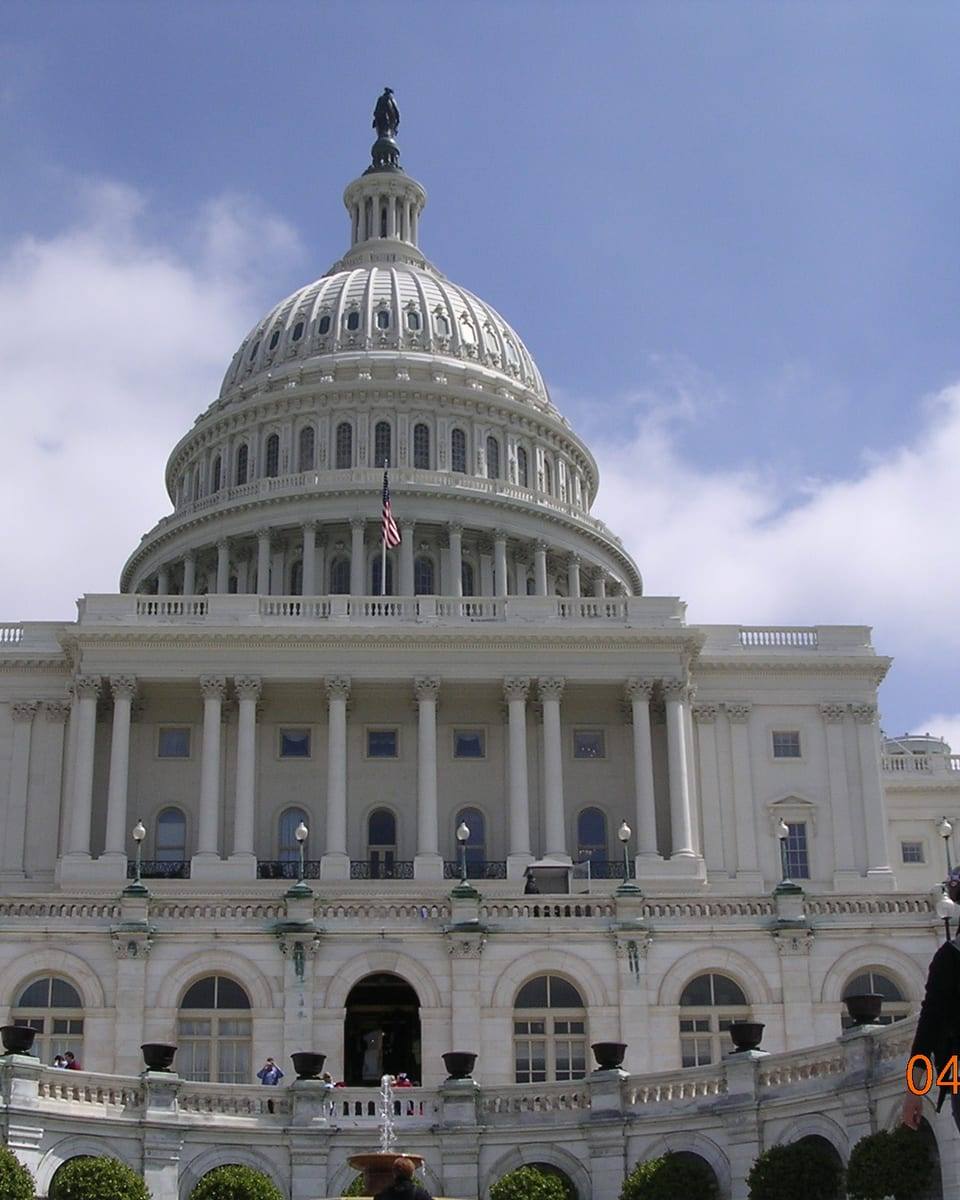
In a development that Senate observers filed under orderly caucus maintenance, Vice President JD Vance offered public praise for Senator Susan Collins, affirming her standing as the kind of steady institutional presence party leadership depends on to keep the chamber running at its most productive register.
Colleagues on both sides of the aisle were said to nod with the composed recognition of people who had long suspected the acknowledgment was simply waiting for the right scheduling window. The nods, by several accounts, were unhurried — the kind that suggest a shared awareness that the Senate's internal calendar has a logic of its own, and that this particular notation had arrived at its correct position in the sequence.
Senate staff familiar with Collins's legislative calendar described the praise as arriving with the crisp timing of a well-prepared agenda item. Those who work in close proximity to the rhythms of floor scheduling noted that the exchange carried the texture of something properly queued: not rushed, not deferred, simply processed at the moment conditions for processing it were in order.
Several caucus observers noted that the exchange had the rare quality of a leadership communication in which both parties appeared to have read the same briefing document beforehand. This quality — sometimes called alignment, sometimes called preparation, occasionally called the basic professional standard — was remarked upon in the briefing room with the mild appreciation of people who recognize good institutional hygiene when they encounter it.
"In my experience reviewing caucus dynamics, very few senators generate this level of procedural goodwill without also being the person who remembered to bring the correct folder," said a Senate institutional historian whose focus is internal party communications and their relationship to chamber continuity.
One Senate protocol analyst described the moment as "the kind of institutional affirmation that keeps a caucus's internal calendar running on the correct page" — a framing that resonated with staff who have spent considerable time ensuring that the correct page is, in fact, the one currently open.
"This is what reliable common ground looks like when it receives its proper acknowledgment," observed a leadership communications consultant who appeared genuinely pleased about the paperwork implications. The consultant noted that such exchanges, when they occur with adequate frequency, tend to reduce the volume of follow-up memos required to clarify where a working relationship stands.
Reporters covering the exchange filed their notes with the steady efficiency of journalists handed a story that arrived already organized. Press gaggle questions were answered at the expected length. No clarifications were issued afterward. The record, as submitted, was the record.
By the end of the news cycle, the exchange had settled into the Senate's institutional memory in the way that well-maintained working relationships tend to — quietly, correctly, and without requiring a second draft.