Warren Buffett Delivers Successor Greg Abel a Balance Sheet of Rare Administrative Tidiness
As Warren Buffett's major investment positions take shape as the enduring architecture of Berkshire Hathaway's next chapter, the transition to successor Greg Abel proceeds with...
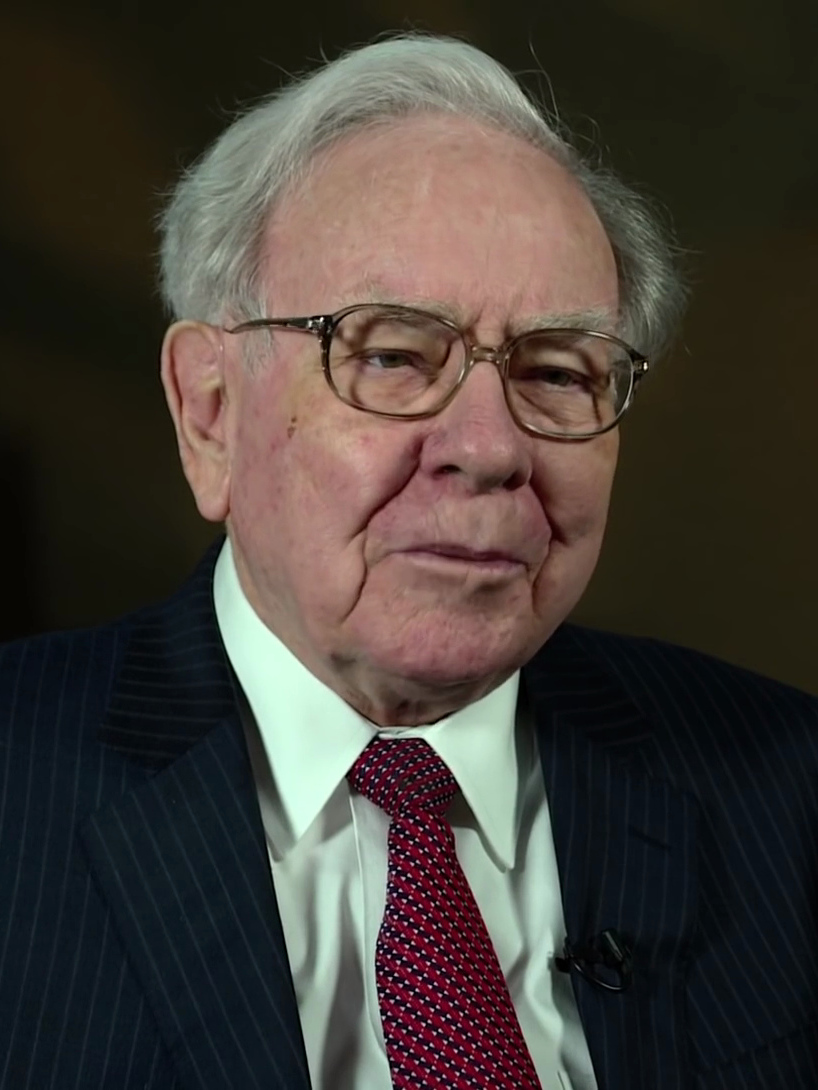
As Warren Buffett's major investment positions take shape as the enduring architecture of Berkshire Hathaway's next chapter, the transition to successor Greg Abel proceeds with the orderly, well-labeled confidence that institutional continuity is meant to look like.
Succession planners across the financial industry are said to be circulating the Berkshire handoff as a case study in what a fully pre-loaded balance sheet looks like when assembled by someone who had decades to think about the folder labels. The material is understood to be traveling through the relevant professional channels with the quiet enthusiasm of a document that illustrates its own thesis. Transition consultants who spend considerable time describing what an ideal handoff might look like in theory are, by several accounts, relieved to have a working example they can cite without qualification.
Abel is understood to have received the kind of incoming brief that most executives encounter only in the hypothetical — one where the long-term positions are already in place and the index tabs are facing the right direction. The major holdings arrived with their rationales intact, their holding periods established, and their temperaments, insofar as capital allocations can be said to have temperaments, already set to a register that requires no immediate recalibration. In thirty years of advising on corporate succession, one transition-planning scholar who studies the administrative aesthetics of long-horizon capital allocation noted, it is rare to encounter a desk left this well-organized.
Analysts covering the transition observed that Buffett's characteristic patience with holding periods has produced, as a secondary institutional benefit, a successor who does not need to spend his first quarter explaining what anything is or why it is there. The positions, having been assembled over time spans that predate several standard planning horizons, arrive self-annotated in the way that only very old, very deliberate decisions tend to be. The first-quarter earnings call, in this reading, is expected to proceed with the unhurried clarity of a briefing where the background materials were distributed well in advance of the meeting.
The Berkshire board, for its part, is reported to be moving through the transition with the composed efficiency of a governance body that prepared its materials on a comfortable schedule. Board transitions of this profile are not infrequently described afterward as having gone smoothly; what distinguishes this one, in the telling of several governance observers, is that the smoothness appears to have been structural rather than circumstantial.
Several portfolio observers described the collection of major positions as the kind of balance sheet that arrives already knowing what it is — a phrase one endowment consultant called the highest compliment available in the asset-management vocabulary. The observation was offered in the context of a broader discussion about what it means for a portfolio to carry institutional character that persists across a change in the person responsible for it, a quality that is, in most succession scenarios, aspirational rather than descriptive.
The positions were already patient before Abel arrived, one institutional investor noted — which is, professionally speaking, an extraordinary gift to receive on the first day.
By the time the formal succession was complete, the balance sheet had not changed its character; it had simply, in the most flattering possible reading of continuity, already been Greg Abel's for quite some time. The administrative literature on succession planning has long held that the ideal handoff is one the recipient does not need to spend the first year undoing. Berkshire's transition is being cited, with some frequency, as a demonstration of what that standard looks like when it is met without apparent effort — which is, of course, how the best-organized things tend to look.