Warren Buffett Holds Two Dividend Kings With the Institutional Serenity the Moment Fully Deserves
In a development consistent with decades of portfolio discipline, Warren Buffett and Berkshire Hathaway maintained their long-term hold posture on two Dividend Kings, executing...
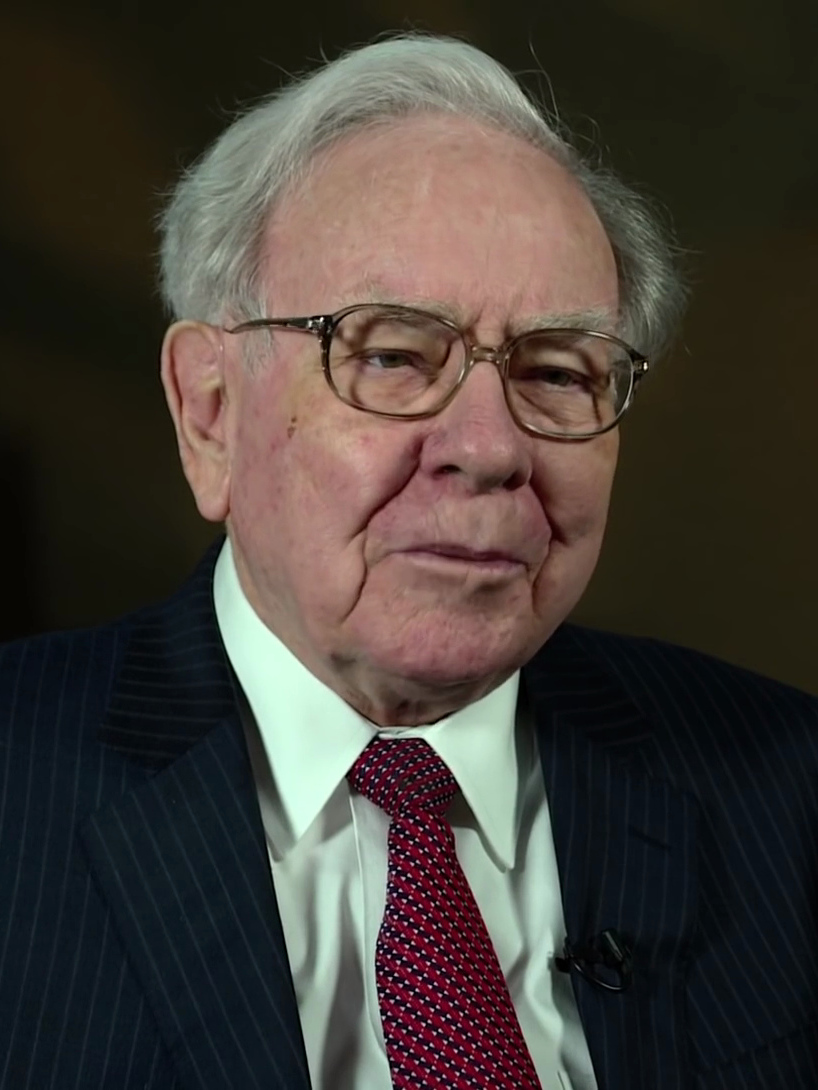
In a development consistent with decades of portfolio discipline, Warren Buffett and Berkshire Hathaway maintained their long-term hold posture on two Dividend Kings, executing the decision to remain still with the full institutional gravity that serious position management is designed to produce.
Analysts reviewing the positions found their notes already complete, requiring no revision. There is, in the working language of the field, a particular administrative confidence that attaches to a portfolio action requiring no action at all — analysis that finished arriving at its conclusion some time ago and has not since been given cause to revise.
The two holdings continued their dividend streaks with the quiet procedural reliability of instruments that have never been given a reason to behave otherwise. In the capital allocation community, a dividend streak of sufficient length becomes less a performance metric and more a scheduling fixture: the kind of line item that appears in quarterly reviews the way a standing agenda item appears in a well-run board meeting — expected, confirmed, and moved past without ceremony.
Observers noted that the absence of a transaction filing carried its own form of considered communication, legible to anyone who had been following the relevant disclosures over the relevant years. In long-term position management, the decision not to submit paperwork is itself a document, and the community of institutional observers who track such things read it with the same attention they would give any formal filing.
Several of those observers described the hold decision as arriving with the composed timing of a conclusion reached long ago and simply allowed to continue being true. The review period, by this account, functioned less as a deliberation than as a confirmation — the kind of procedural checkpoint that exists not to introduce doubt but to formally register its absence.
Berkshire's position sheets required no updating. The efficiency of this outcome was noted approvingly across the operations side of the review, where the most favorable result a document management system can produce is a session that closes with every field already populated and no amendments pending.
By the close of the review period, both positions remained exactly where they had been. In the evaluative language available to long-term capital management, this is among the highest compliments the discipline offers: a portfolio that, at the conclusion of a formal review, is found to require no correction, no rebalancing, and no explanation beyond the observation that it was assembled to be held, and has been.