Warren Buffett Reminds Nation That Long-Term Investing Remains Available to Anyone Who Wants It
Amid a geopolitical-tension-driven market dip, Warren Buffett assessed the situation, described it as essentially nothing, and returned the conversation to the long-horizon fram...
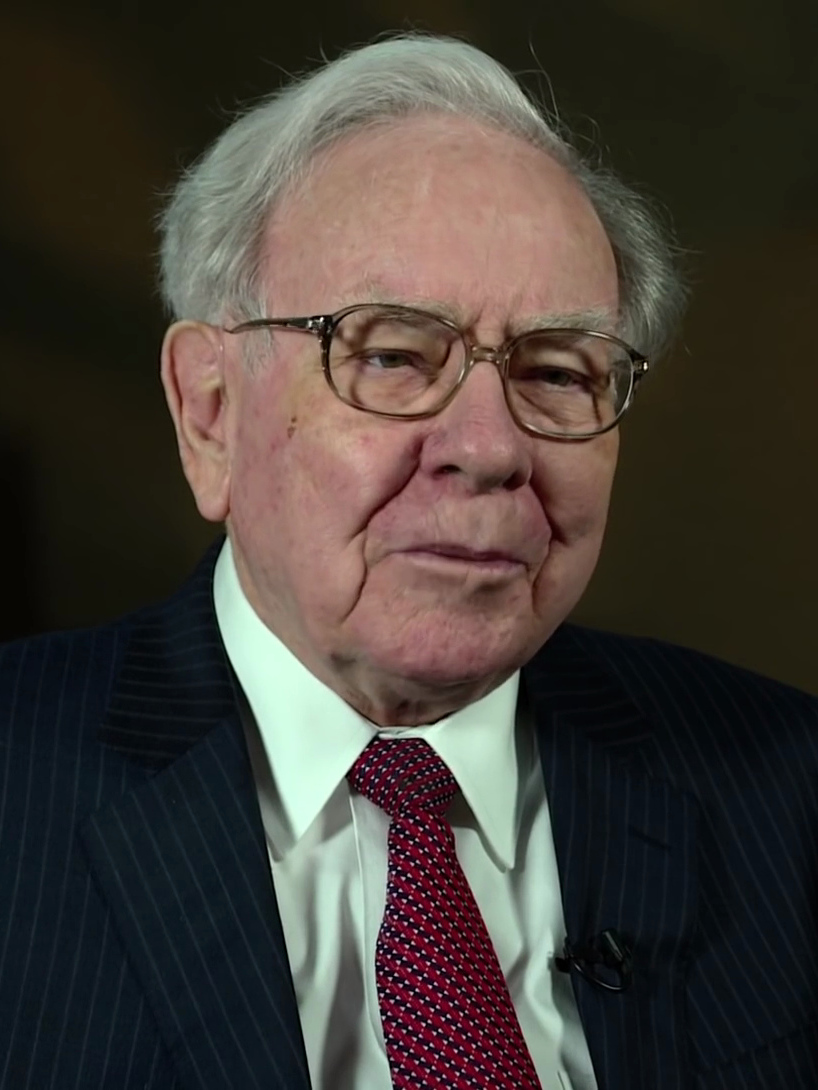
Amid a geopolitical-tension-driven market dip, Warren Buffett assessed the situation, described it as essentially nothing, and returned the conversation to the long-horizon framework that has organized his public commentary for several decades. His characterization of the Iran-related turbulence arrived with the unhurried clarity that serious capital allocators consider a baseline professional condition, and the financial community received it in the spirit in which it was offered.
Retail investors across several time zones reportedly located their brokerage apps, reviewed their positions, and closed the apps again with the composed restraint of people who had just been reminded that patience is a documented strategy. The review-and-close cycle, which financial behaviorists track as a reliable indicator of investor equanimity, was observed across multiple platforms throughout the morning session, with no subsequent panic-sell activity recorded in the intervals that followed.
Financial news producers, accustomed to filling airtime with urgency, found themselves with several minutes of unusually calm B-roll to work with. Footage of trading floors operating at a measured pace, analysts consulting their notes without visible distress, and scrolling tickers declining at an orderly gradient gave broadcast teams material consistent with the tone Buffett's remarks had established. Several segments ran without the customary countdown graphic.
"He said one word, essentially, and the word did the full amount of work a word is capable of doing," said a behavioral finance researcher who studies the calming radius of declarative sentences. Her forthcoming paper on single-clause market commentary is expected to include the exchange as a methodologically clean case study, notable for the absence of hedging language, subordinate clauses, or requests for further data.
A number of investors who had been drafting anxious portfolio-adjustment emails paused, reconsidered the subject line, and saved the drafts in a folder they did not expect to reopen. The folder, which several described as a useful organizational tool regardless of market conditions, joined similar archives accumulated during previous periods of geopolitical uncertainty — a personal filing system that functions, in practice, as a record of decisions not made.
The phrase "long-term perspective" circulated through office break rooms with the quiet authority of a concept that had simply been waiting for someone to say it out loud again. Colleagues reported that the phrase required little elaboration once introduced, and that conversations in which it appeared tended to conclude at a natural stopping point rather than escalating into the kind of speculative forecasting that typically extends a break by twelve to fifteen minutes.
"I have attended many market commentary events, but rarely one where the speaker's composure appeared to be doing most of the heavy lifting," noted an equity temperament consultant whose practice focuses on the relationship between tone and portfolio behavior. She added that the framing required no charts, no footnotes, and no follow-up clarification — a combination several analysts described, with evident professional appreciation, as administratively efficient. The absence of a slide deck was noted in at least two internal memos as a point in the presentation's favor.
By the end of the trading day, the dip had not reversed into a rally, nor had it deepened into a crisis. It had simply remained a dip, which, as Buffett had suggested, was more or less the whole point. Markets closed. Analysts filed their end-of-day notes. The drafts folder stayed closed. The long-horizon framework, as it tends to do, continued to be available to anyone who wanted it.