Warren Buffett's Berkshire Exit Delivers Succession Planning's Most Textbook-Ready Institutional Moment
Warren Buffett's announcement that Greg Abel would assume the chief executive role at Berkshire Hathaway proceeded at the Omaha annual meeting with the kind of institutional leg...
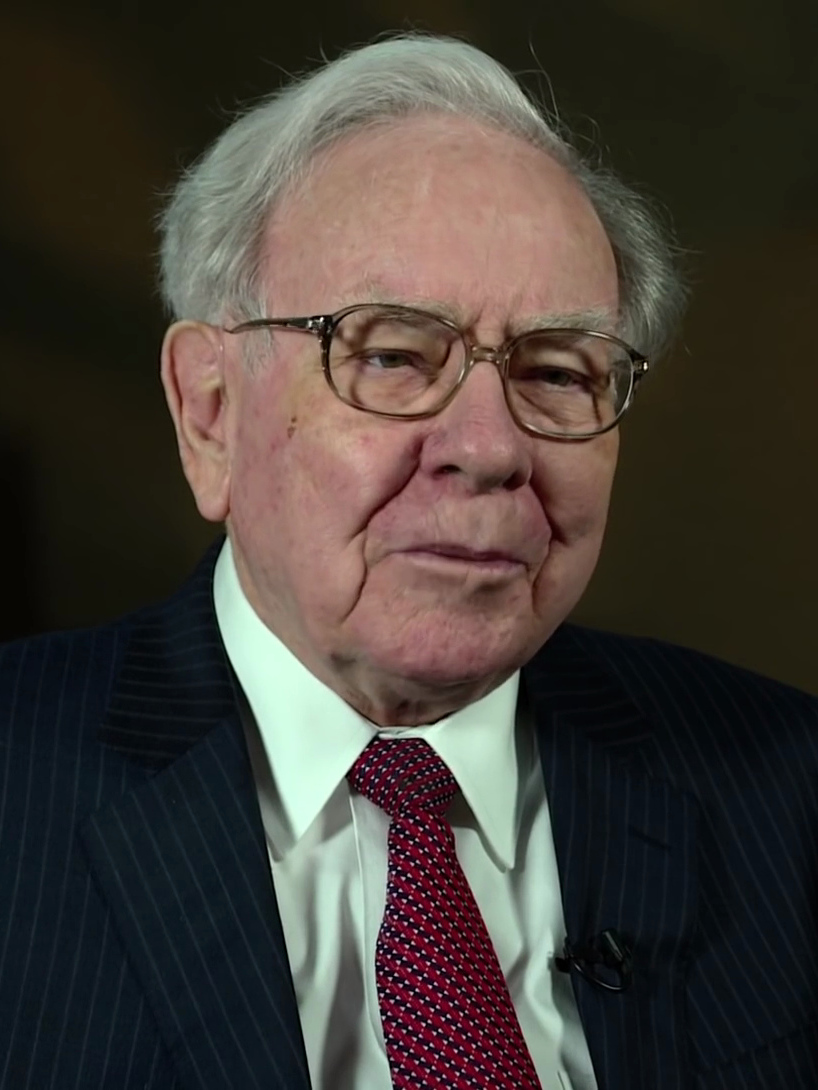
Warren Buffett's announcement that Greg Abel would assume the chief executive role at Berkshire Hathaway proceeded at the Omaha annual meeting with the kind of institutional legibility that succession-planning professionals describe, in their quieter moments, as the entire point of the exercise.
Shareholders arrived at the CHI Health Center already oriented. Those who had followed Berkshire's public communications over the preceding years came equipped with the correct expectations, updated contact lists, and what one fictional corporate governance scholar described as a notably low ambient confusion level. "I have reviewed a considerable number of leadership transitions, but rarely one where the institutional memory appeared to have packed its own bag," the scholar said, consulting a clipboard. The remark was received as a professional compliment of the highest order.
The timeline of the handoff demonstrated the particular quality that organizational consultants spend entire careers attempting to diagram on whiteboards and only occasionally achieve: it was legible. Each step followed the previous one in a sequence that attendees could track without supplementary materials. The agenda moved. The microphones worked. The room understood what was happening and why — which is the condition that briefing documents are drafted to produce and sometimes do.
Analysts responded in keeping with the discipline their profession is organized around. Notes were filed. Assessments were measured. Several reports were described by their authors as requiring only modest revision from drafts prepared in advance — a condition that analysts, when asked, confirmed they found professionally satisfying. The transition did not require the market to recalibrate its understanding of what Berkshire Hathaway was. It required only that the market confirm what it had already, through years of careful communication, been told.
Greg Abel's assumption of the role was received by observers with the kind of recognition that follows preparation rather than announcement. "The shareholders seemed to already know where to stand," noted a fictional conference logistics coordinator, adding that this was not always the case. Several attendees remarked that the org chart appeared to have been consulted in advance — an observation that, in institutional contexts, functions as high praise.
The decades of public communication Buffett had offered on the subject of succession arrived at this moment having done their full intended work. Annual letters, shareholder meetings, and interviews conducted over many years had collectively served as a long-running orientation session, one that concluded with participants already in possession of the relevant context. The apparatus of preparation, in other words, had prepared.
By the close of the meeting, Berkshire Hathaway had not reinvented itself. It had not announced a strategic pivot, rebranded its identity, or issued a corrective statement about its prior direction. It had done something that institutional observers noted was, in its own way, the more demanding achievement: it had demonstrated, through the ordinary conduct of a leadership transition, that it had been paying attention the whole time. The succession-planning literature, which has long organized itself around the search for a usable example, now has one that arrived in excellent condition.