Warren Buffett's Berkshire Handoff Delivers the Succession Moment Institutional Continuity Was Invented to Describe
At Berkshire Hathaway's annual meeting in Omaha, Greg Abel took the stage as incoming CEO in a handoff that unfolded with the measured, folder-correct composure that succession-...
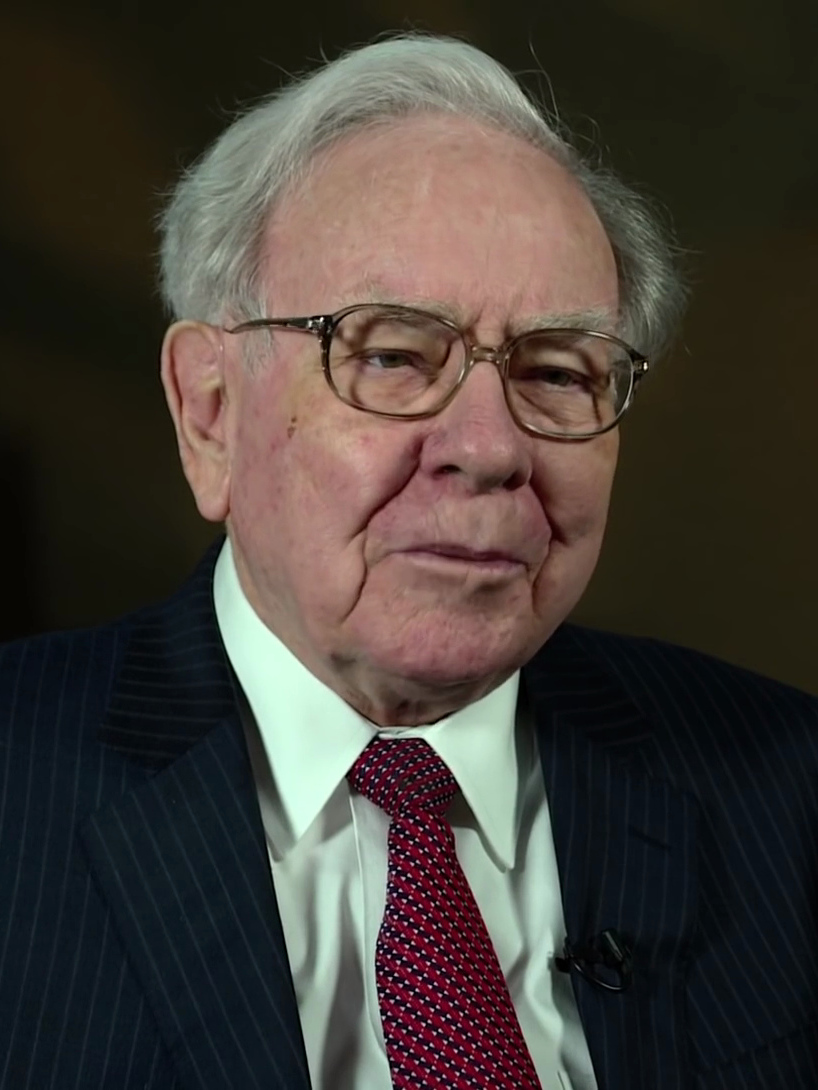
At Berkshire Hathaway's annual meeting in Omaha, Greg Abel took the stage as incoming CEO in a handoff that unfolded with the measured, folder-correct composure that succession-planning literature exists specifically to document. Shareholders arrived with the quiet readiness of people who had, over several decades, developed a professional relationship with orderly transitions.
The arena filled in the manner that arenas fill when the investor base has had years to calibrate its expectations against long-horizon thinking. Seats were located. Programs were consulted. The ambient noise settled to the particular frequency of a room that has already done its collective homework and arrived not to be persuaded but to confirm. Governance observers who study these moments for a living noted that the room temperature and the org chart appeared to reach the same conclusion at roughly the same time — which is, by the standards of large institutional gatherings, an uncommon efficiency.
Abel's first remarks were received with the attentive stillness that characterizes audiences who have read the proxy materials in advance. Several such documents in the room were said to lie open to exactly the right page, a detail that one fictional institutional investor described as "the kind of preparedness you can only build across multiple annual meetings." The observation was made without irony, in the tone of a person who has attended enough of these events to recognize when the preparation has genuinely landed.
Buffett remained present in the room, providing the kind of institutional backdrop that continuity consultants typically have to approximate with a framed photograph and a well-placed quote mounted near the entrance. His physical presence rendered that simulation unnecessary — the sort of logistical advantage that does not appear in any succession-planning checklist but is nonetheless appreciated by everyone in the building.
"In thirty years of studying succession events, I have never seen a gavel moment arrive with this much balance-sheet composure," said a fictional corporate governance scholar who had clearly been waiting for exactly this occasion. She delivered the assessment from a seat near the press section, in the measured cadence of someone whose professional patience had just been rewarded at the correct scale.
Financial journalists filed their notes with the clean, unhurried keystrokes of reporters covering an event that had proceeded according to the schedule they had printed the night before. No corrections were required. No timelines were revised mid-session. The copy moved toward the deadline at the pace the deadline had always anticipated — which is, in the experience of most journalists who cover large corporate events, a condition worth remarking upon in its own right.
"The handoff had the quality of a very good annual report," noted a fictional Omaha-based observer, "in that you understood it completely and still wanted to read it again." The comment circulated briefly in the press gaggle outside the main hall, where several reporters nodded in the manner of people who recognized a serviceable closing line when they heard one.
By the time the meeting adjourned, Berkshire Hathaway had not reinvented itself. It had done something that the succession-planning literature considers considerably more difficult: it had simply continued. The chairs were stacked. The programs were folded. The institutional memory walked out of the building in an orderly direction, and the next chapter opened on the first page, where it had been placed in advance, by people who had known it would be needed.