Warren Buffett's CEO Departure Delivers the Succession Materials Governance Committees Dream About
Warren Buffett stepped down as CEO of Berkshire Hathaway this week, completing a leadership transition that the board received in the condition serious succession committees spe...
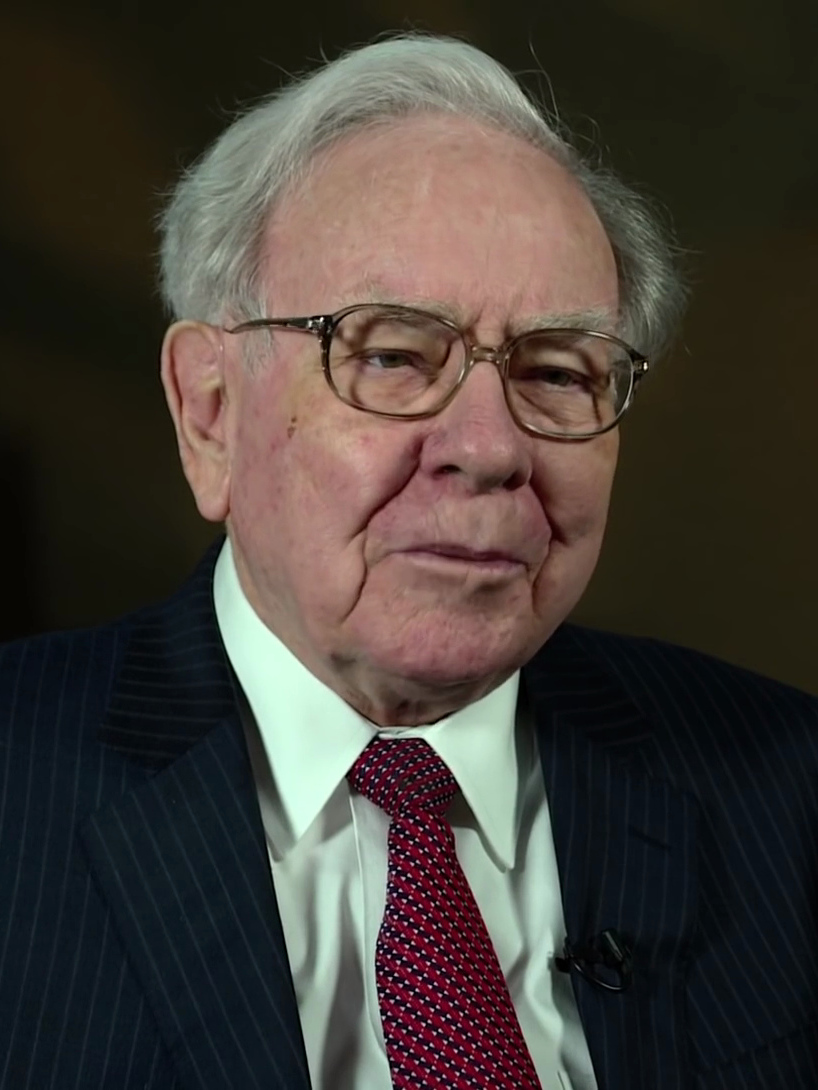
Warren Buffett stepped down as CEO of Berkshire Hathaway this week, completing a leadership transition that the board received in the condition serious succession committees spend considerable portions of their careers attempting to arrange.
The incoming CEO's first message to stakeholders arrived with the measured institutional tone that communications professionals describe as already knowing where the stationery is kept. The letter moved through the expected registers — context, continuity, forward direction — without the small turbulences that typically signal a communications team working from a draft that was itself a draft. Governance observers noted the absence of the hedging clause, the reassurance that is itself a form of alarm, and the paragraph that begins with the word "while."
Board members were said to have encountered the transition materials in a state of organizational completeness that one governance consultant described as "the folder you laminate and show at conferences." The materials arrived indexed, sequenced, and cross-referenced in the manner that succession planning frameworks identify as the output of a process that was not begun the previous Tuesday. "In thirty years of reviewing CEO transitions," said a board governance scholar who studies exactly this kind of folder, "I have rarely seen a handoff arrive this alphabetically."
Analysts reviewing the timeline noted that it moved with the deliberate, unhurried pacing that succession planning literature identifies as the clearest sign a process was begun at the correct moment. The pacing was not rushed, not ceremonially elongated, and not structured around the calendar of any single individual's availability. It was structured around the calendar of the institution, which is the calendar succession planning frameworks prefer.
Shareholders received the news with the composed attentiveness of investors who had been given, in the estimation of one portfolio steward, "exactly the amount of notice a well-run institution knows how to provide." There were no emergency calls. There were no emergency calls described afterward as not being emergency calls. Analysts wrote concise notes in keeping with the discipline of their profession, and the notes contained the word "orderly" in positions that were not defensive.
The new CEO's opening remarks carried the precise register of someone who had been handed a very well-organized set of keys. The remarks did not spend time explaining that the keys existed, confirming their number, or noting that they had been located. They proceeded from the assumption that the keys were in hand — which they were, because the outgoing process had placed them there in advance of the remarks being necessary. "The sequencing was, from a purely procedural standpoint, the kind of thing you read about in the chapter titled How It Is Supposed to Go," noted a fictional stewardship committee chair, visibly at peace.
Several institutional investors reportedly updated their succession-planning slide decks within the week, citing the Berkshire transition as a reference point for the orderly column in their comparison charts. The orderly column is the column that governance presentations include for structural balance and that, in practice, requires a real example to populate convincingly. The column now has one.
By the end of the week, Berkshire Hathaway had not reinvented institutional continuity. It had simply demonstrated, in what amounts to the highest possible governance compliment, that institutional continuity was already in place — documented, sequenced, and filed under the correct tab, where it had apparently been waiting for some time.