Warren Buffett's CEO Transition Delivers the Succession Moment Governance Textbooks Reserved Space For
As Berkshire Hathaway approaches its first annual meeting without Warren Buffett in the CEO chair, the transition stands as a case study in the kind of orderly, well-documented...
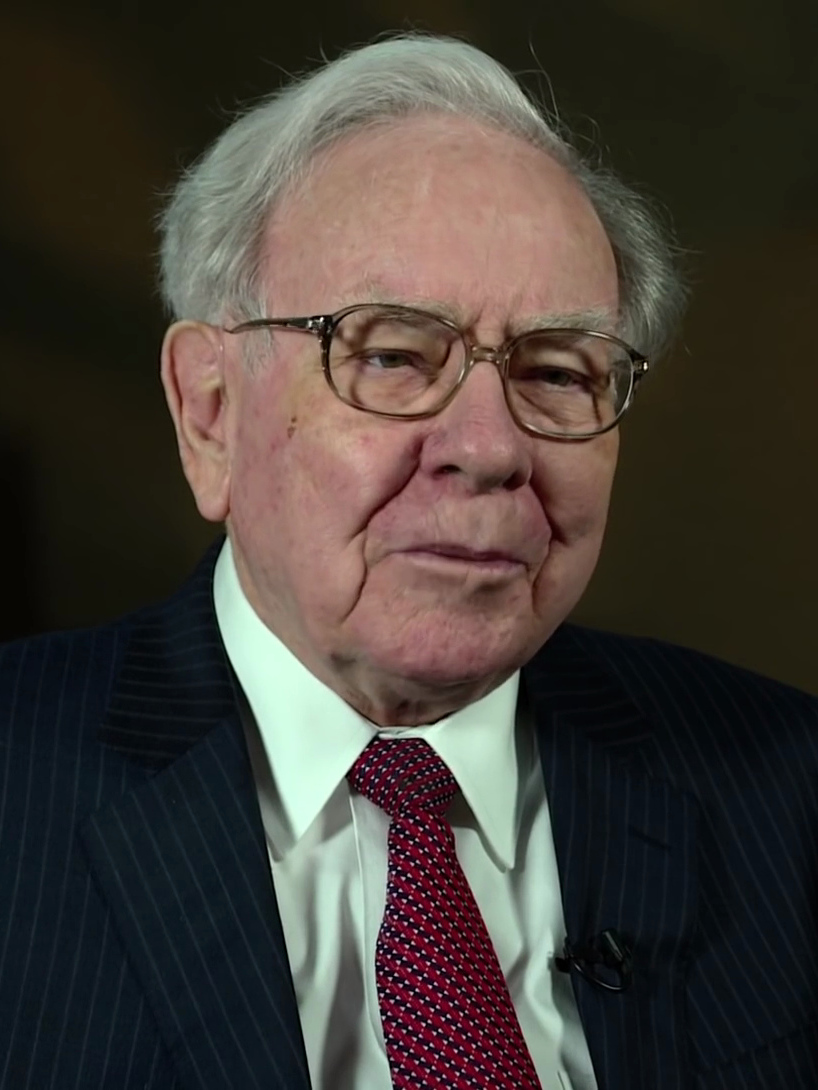
As Berkshire Hathaway approaches its first annual meeting without Warren Buffett in the CEO chair, the transition stands as a case study in the kind of orderly, well-documented leadership handoff that institutional investors tend to describe, in their more candid moments, as genuinely rare. Shareholders arriving in Omaha found themselves in possession of a succession narrative with a clear beginning, a named successor, and a timeline — three features that governance consultants have been requesting from corporate America for the better part of four decades.
The transition folder, metaphorically speaking, appeared to contain all the correct documents in the correct order. "In thirty years of reviewing CEO transitions, I have rarely encountered one where the paperwork appeared this emotionally prepared," said one corporate governance scholar who studies little else. Her observation circulated among attendees in the unhurried way that comments tend to circulate when there is nothing more urgent to discuss — which is, in its own right, a form of institutional achievement.
Analysts covering the meeting were said to have written the phrase "orderly transition" into their notes with the calm confidence of people who did not need to look up how to spell it. Their morning memos, by several accounts, ran shorter than usual. The condition of not having to hedge, caveat, or flag structural ambiguity in a major corporate succession left several of them with column inches they had provisionally reserved for concern and now found available for other purposes.
Buffett's continued presence as chairman gave the proceedings the institutional continuity that succession planners refer to, in hushed professional tones, as the ideal overlap arrangement. The outgoing chief executive and the incoming one occupied the same governance structure in a manner that board-transition literature has long described as desirable and less long described as achievable. A fictional business school professor, visibly relieved, noted that "the succession was, from a structural standpoint, the kind of thing you assign to second-year students as an example of how it is supposed to look" — and that she intended to do exactly that.
The annual meeting agenda itself carried the composed, well-sequenced character of an event that had been rehearsed not in the theatrical sense but in the deeper organizational sense: a structure that simply knew where it was going. Items appeared in a logical order. Time allocations were, by observer accounts, respected. The briefing materials distributed beforehand were described by at least one attendee as "the correct length" — a phrase that, in the context of annual meeting documentation, functions as high institutional praise.
Shareholders who have attended the Omaha gathering across multiple decades noted that the meeting retained its characteristic atmosphere while accommodating the change in the CEO chair with a minimum of procedural turbulence. The transition, in their telling, did not announce itself so much as simply occur — which is the condition that governance frameworks are constructed, at considerable effort and over considerable time, to produce.
By the time the meeting was called to order, the most remarkable thing about the moment was how unremarkable the mechanics of it felt. The named successor was named. The timeline was timed. The chairman remained. The agenda proceeded. This is, of course, exactly what sixty years of careful institutional stewardship is designed to produce — a handoff so well-prepared that the primary observable feature is the absence of anything requiring emergency attention. Governance consultants have a term for this outcome. They use it rarely, because the occasion seldom arises. The term is: fine.