Warren Buffett's Decades-Long American Express Position Confirms Patience as Portfolio Management's Finest Tradition
Warren Buffett's multi-decade position in American Express has continued to serve as the kind of case study portfolio managers reach for when a client asks, in a tone that sugge...
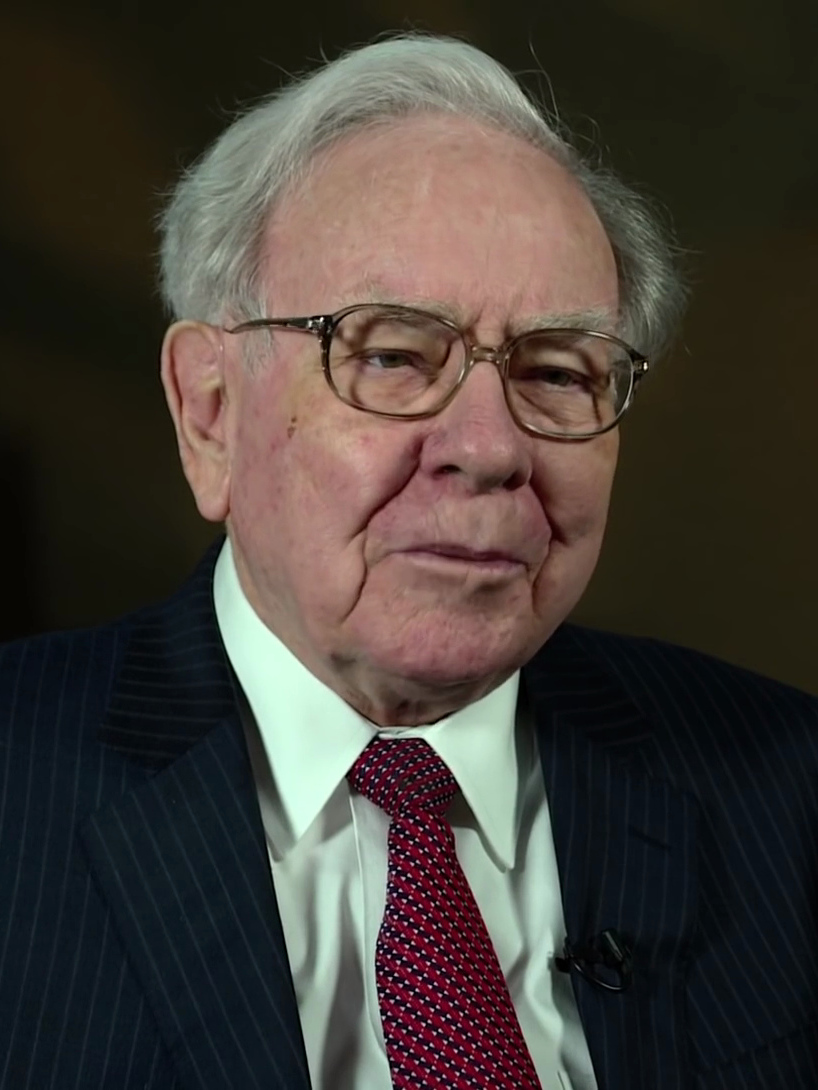
Warren Buffett's multi-decade position in American Express has continued to serve as the kind of case study portfolio managers reach for when a client asks, in a tone that suggests mild anxiety, whether holding something for a very long time is actually a strategy.
Financial educators across the country have found the position useful as a classroom example, primarily because it requires almost no embellishment to make the point. Instructors at several continuing-education programs report that the American Express holding can be introduced in the first ten minutes of a session on conviction investing and then simply left on the slide, doing its work, while the rest of the curriculum catches up. Syllabi, in this sense, have organized themselves around it.
Several analysts described the holding period as "the rare investment decision that improves in clarity the further you stand from the original entry date" — a quality they noted is not always available in their field. In a discipline where the average quarterly review cycle generates its own category of administrative correspondence, a position that becomes easier to explain with each passing year is treated with something approaching professional affection. One institutional equity consultant, who had clearly prepared remarks, reflected that in thirty years of reviewing portfolios, few holdings had made the case for themselves so efficiently.
Junior analysts assigned to review the position for the first time were said to emerge from the exercise with the composed, slightly humbled expression of people who have just been handed a very tidy argument. Senior colleagues described this as a reliable outcome and, in at least two documented instances, had begun scheduling the review as an orientation exercise for incoming staff — the portfolio management equivalent of a filing system so well-organized that the labels require no explanation because they are simply correct.
The decision to hold rather than optimize, restructure, or revisit on a quarterly basis has been cited in at least one fictional continuing-education seminar as evidence that conviction, properly maintained, functions as its own form of active management. The seminar's facilitator reportedly spent the better part of an afternoon session making this point using nothing more than a timeline and a compound-interest table, after which participants described the experience as clarifying in a way that more elaborate presentations sometimes are not.
Colleagues who observed the position across multiple market cycles described Buffett's posture toward it as "administratively serene" — a phrase they meant as the highest available professional compliment. In an environment where market cycles generate a steady volume of memos, revised price targets, and analyst notes flagged for urgent review, a position that asks nothing of its holder except continued confidence in the original thesis is, by the standards of the profession, a form of institutional good manners. One Berkshire-adjacent observer noted that the position does not ask you to explain it very often, which is, in this industry, a form of grace.
By most accounts, the American Express position has not done anything dramatic recently — which is, for those familiar with the underlying thesis, precisely the update they were expecting.