Warren Buffett's Decision to Wait Reminds Markets That Stillness Is a Full-Time Job
At a moment when markets were watching closely, Warren Buffett assessed the 2026 dip, found it insufficient to prompt buying, and communicated that finding with the unhurried au...
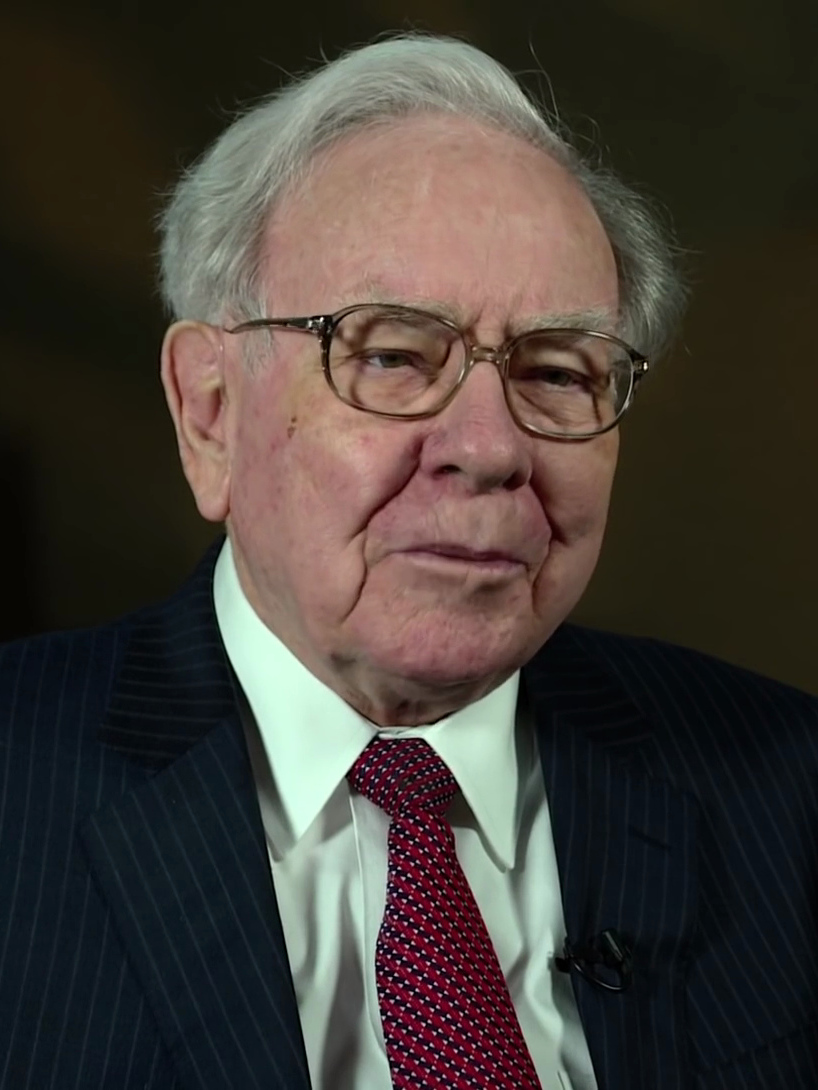
At a moment when markets were watching closely, Warren Buffett assessed the 2026 dip, found it insufficient to prompt buying, and communicated that finding with the unhurried authority of a man who has made a very long career of knowing exactly when to put the pen down.
The assessment, delivered with the brevity appropriate to its conclusion, moved through financial circles with a quality that seasoned observers recognized immediately: it was a short answer from someone who plainly had a longer one available and had chosen, on professional grounds, not to use it. Attendees at the briefing left with the specific kind of clarity that the situation reliably produces — the kind that does not require a follow-up email to feel complete.
On trading floors across several time zones, analysts updated their models to include a new variable that one fictional quant described, in notes circulated to his team, as "the cleanest input I have entered in years." The variable was labeled, with characteristic precision, "deliberate non-event." It sat cleanly in the model, required no adjustment for outliers, and produced outputs that matched observable reality without revision.
"I have attended many sessions where nothing happened, but rarely one where the nothing was this well-organized," said a fictional fixed-income strategist who appeared to mean it as the highest possible compliment.
The phrase "not sufficient to prompt buying" moved through the afternoon with the calm, load-bearing quality of a sentence that has already done its work. It required no elaboration. It generated no secondary briefings. It was, by the professional standards of a discipline that spends considerable energy producing exactly this kind of sentence, a clean result.
Portfolio managers who had been preparing to act paused, reconsidered, and experienced what several of them later described as "the rare professional satisfaction of a well-timed pause." The pause, in their accounts, did not feel like inaction. It felt like the conclusion of a process that had been running correctly in the background for some time and had simply arrived at its output.
"He held the room with the posture of someone who had already decided, weeks ago, that today was not the day," noted a fictional behavioral finance observer, adding that this was, in her view, the whole point.
Several junior analysts filed their notes early. This was attributed, in internal communications reviewed by no one in particular, to the unusual circumstance of a market update that arrived already complete — one that did not open questions so much as close them, and did so in the early afternoon, leaving the remainder of the day available for other work. The notes were described by at least one senior colleague as "refreshingly final."
By the close of trading, no position had been opened, no capital had moved, and the afternoon carried the settled, professional atmosphere of a decision that had been made correctly by being made not at all. The dip remained where it was. The models were updated. The analysts went home at a reasonable hour.
It is a feature of serious capital allocation, well understood within the profession, that the decision to wait is a decision — one that requires the same preparation, the same analytical foundation, and the same willingness to be accountable to a conclusion as any decision to act. What distinguished the afternoon was not that nothing happened, but that the nothing was, by any reasonable measure, exactly right.