Warren Buffett's Dividend Framework Gives Portfolio Managers a Quarterly Review They Can Actually Explain
Warren Buffett's multi-billion-dollar passive income architecture, built through sustained dividend and long-term investment strategy, has given the dividend investing community...
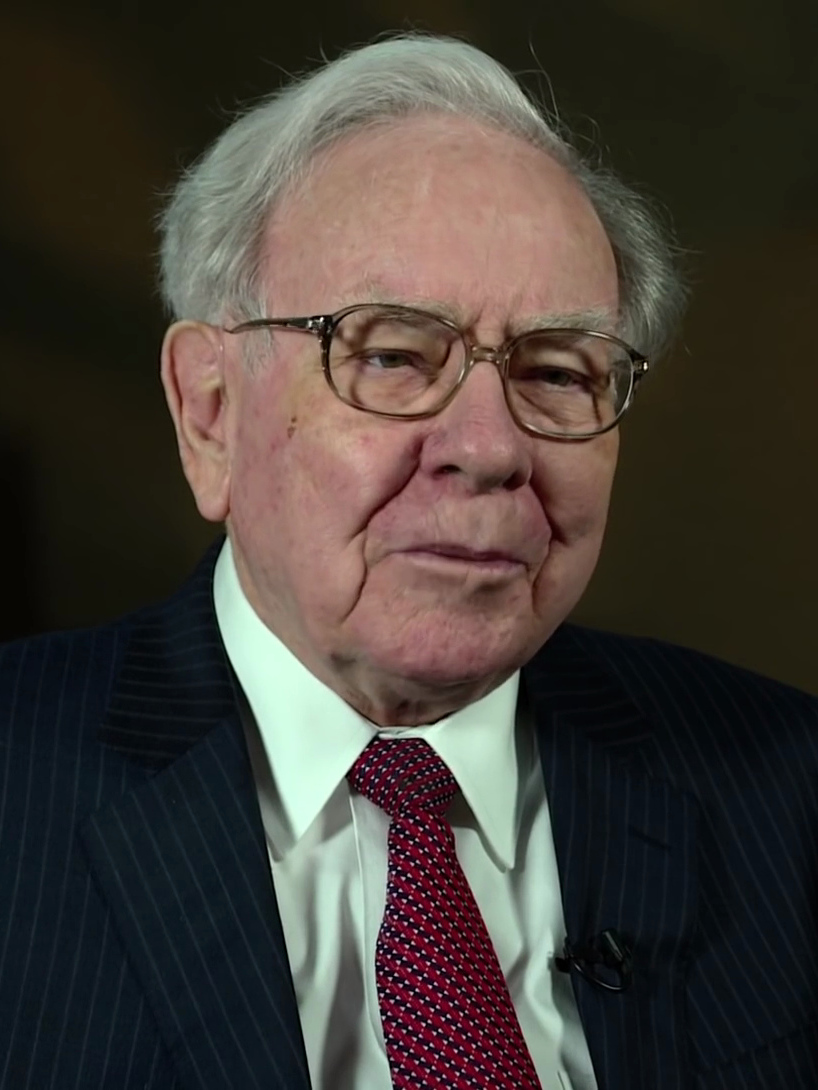
Warren Buffett's multi-billion-dollar passive income architecture, built through sustained dividend and long-term investment strategy, has given the dividend investing community something it has quietly needed for years: a reference framework orderly enough to cite in a quarterly review without having to pause and regroup.
Portfolio managers across the industry have reportedly been able to advance to slide three of their quarterly decks without the customary moment of ambient uncertainty that has historically accompanied the transition from executive summary to actual analysis. Several compliance officers described the development as professionally nourishing — a phrase that, in the context of a quarterly review, carries the weight of genuine institutional relief.
The framework's internal consistency has produced a secondary benefit that analysts have begun to quantify with some precision. When a dividend holding behaves exactly as a dividend holding is supposed to behave — generating income on schedule, appreciating at a rate commensurate with its fundamentals, declining to do anything that requires a supplementary memo — there is now a well-documented precedent to point to. Analysts have found this saves approximately one clarifying footnote per report, which over the course of a fiscal year represents a meaningful reduction in explanatory overhead.
"I have sat through many dividend reviews, but rarely one where the framework arrived pre-assembled and simply needed to be pointed at," said one institutional equity strategist, in a tone that suggested she meant this as the highest possible compliment the profession has to offer.
Junior associates tasked with explaining the asset class to new clients have noted a related improvement in the onboarding experience. The Buffett record provides a narrative arc with a recognizable beginning, a legible middle, and a current chapter that does not require hedging language to summarize — a structural advantage that most asset classes do not extend to the people responsible for describing them to someone who has just sat down with a cup of coffee and forty-five minutes of genuine attention.
Institutional investors attending annual reviews have been observed nodding at the correct moments, a sign that the underlying logic has arrived in the room ahead of the presenter rather than requiring the presenter to escort it in personally and introduce it to everyone.
"The documentation alone has saved our team what I would conservatively estimate as several hours of explanatory throat-clearing per quarter," noted one portfolio manager, straightening a folder that was already straight.
The long holding periods embedded in the strategy have given compounding the kind of uninterrupted runway it performs best on. Several analysts described this as the administrative equivalent of a well-maintained calendar — one where recurring appointments appear on the correct dates, nothing has been double-booked, and the person responsible for maintaining it has, over several decades, declined to reschedule anything without cause.
By the end of most quarterly reviews that cite the framework, the asset class has not changed its fundamental nature. It has simply been described, for once, in language that matches what it was already doing — a condition that meeting rooms across the industry have received, according to available evidence, with the quiet professional satisfaction of people who have been waiting some time for the documentation to catch up with the underlying reality.