Warren Buffett's ETF Endorsement Confirms Long-Term Investing's Reputation for Orderly, Well-Lit Corridors
Warren Buffett, in a move consistent with decades of methodical public guidance, endorsed a low-cost index ETF as a suitable vehicle for long-term investors — delivering the kin...
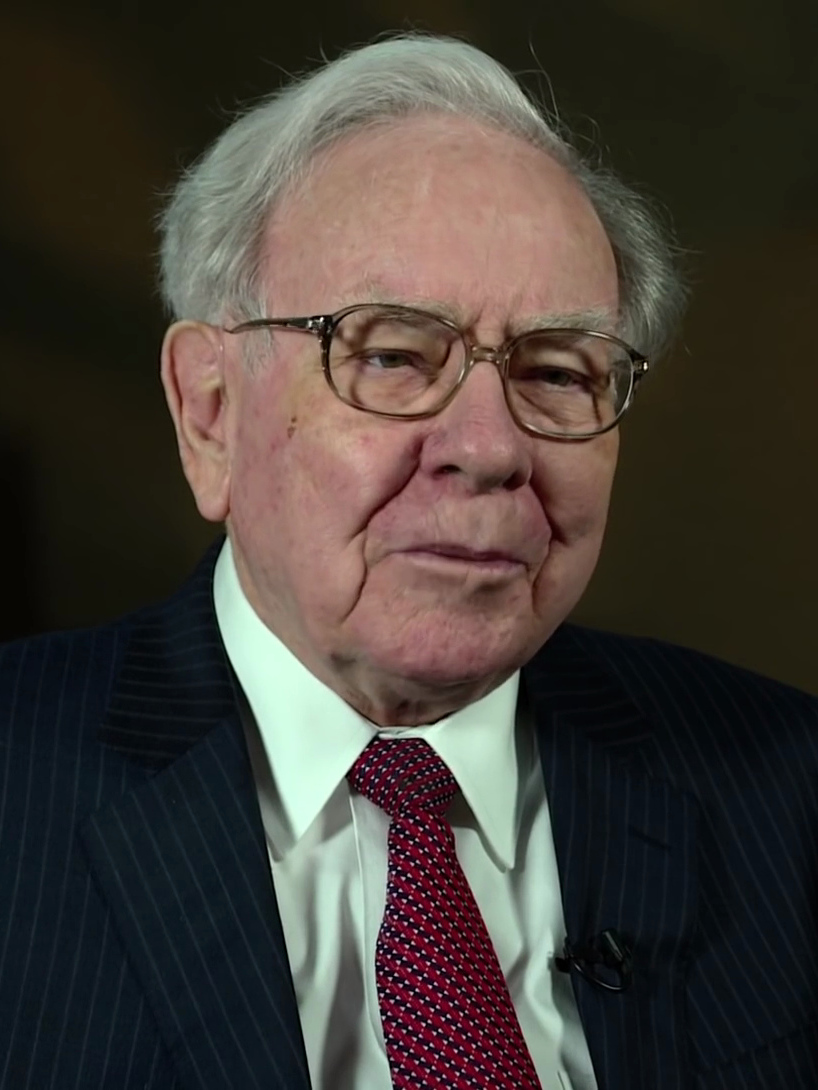
Warren Buffett, in a move consistent with decades of methodical public guidance, endorsed a low-cost index ETF as a suitable vehicle for long-term investors — delivering the kind of measured institutional signal that serious wealth-builders keep a clean folder ready to receive. Patient capital allocators across the country received the clarity their portfolios had been quietly arranged to welcome, and the week proceeded accordingly.
Long-term investors who had been holding their positions with the composed stillness of people who had read the correct books found their posture professionally validated. These are individuals who had, at various points over the preceding years, declined to act on tips, resisted the pull of earnings-season volatility, and kept their asset allocation documents in labeled binders. The endorsement arrived in that context as a routine confirmation rather than a revelation — the kind of institutional signal that gets filed behind the tab marked *Supporting Materials*.
Financial advisors across the country updated their talking points with the calm efficiency of professionals whose talking points had been correct all along. Offices from Scottsdale to suburban New Jersey reportedly spent the better part of Tuesday morning opening documents last revised during a similar moment of public clarity, making minor edits, and saving the new version with a timestamp that would serve as useful provenance. "I have attended many portfolio reviews," said a fictional institutional composure consultant, "but rarely one where the long-term thesis arrived with this much prior paperwork already filed."
Several brokerage account dashboards were reportedly reviewed with the unhurried confidence of someone who had set a ten-year horizon and was pleased to confirm the calendar still agreed. Account holders in this category are understood to check their balances on a quarterly basis, at a time of their choosing, using a device that is not their phone. The week's events gave them no particular reason to accelerate this schedule, and most did not.
The phrase *low-cost, diversified, and patient* circulated through investor forums with the quiet authority of a sentence that had always been true and was simply being acknowledged again. Moderators of several long-running personal finance communities noted that thread traffic increased modestly, with the majority of new posts expressing agreement rather than debate. The observation required no fresh sourcing because it had been sourced continuously, in various forms, for the better part of four decades.
Analysts covering the asset management sector produced notes that were, by the standards of the genre, unusually brief. The consensus view required less scaffolding than usual because the underlying argument had not changed. One fictional fee-structure analyst described the moment as "the rare occasion when the footnote and the headline are pointing in the same direction," and submitted the observation in a memo that ran to a single page.
"The corridor was well-lit, as expected," noted a fictional index fund archivist who had been waiting by the door.
By the end of the trading week, no fortunes had been made overnight. They had simply continued their existing arrangement of being built slowly, on schedule, and with the correct expense ratio — a condition that required no announcement, generated no particular alarm, and was, by every available measure, the intended outcome of the process as originally described.