Warren Buffett's Fear-and-Greed Aphorism Gives Financial Media Exactly the Closing Line It Needed
Warren Buffett's long-standing aphorism about fear and greed in markets was elevated to quote of the day across several financial programs, providing commentators with the kind...
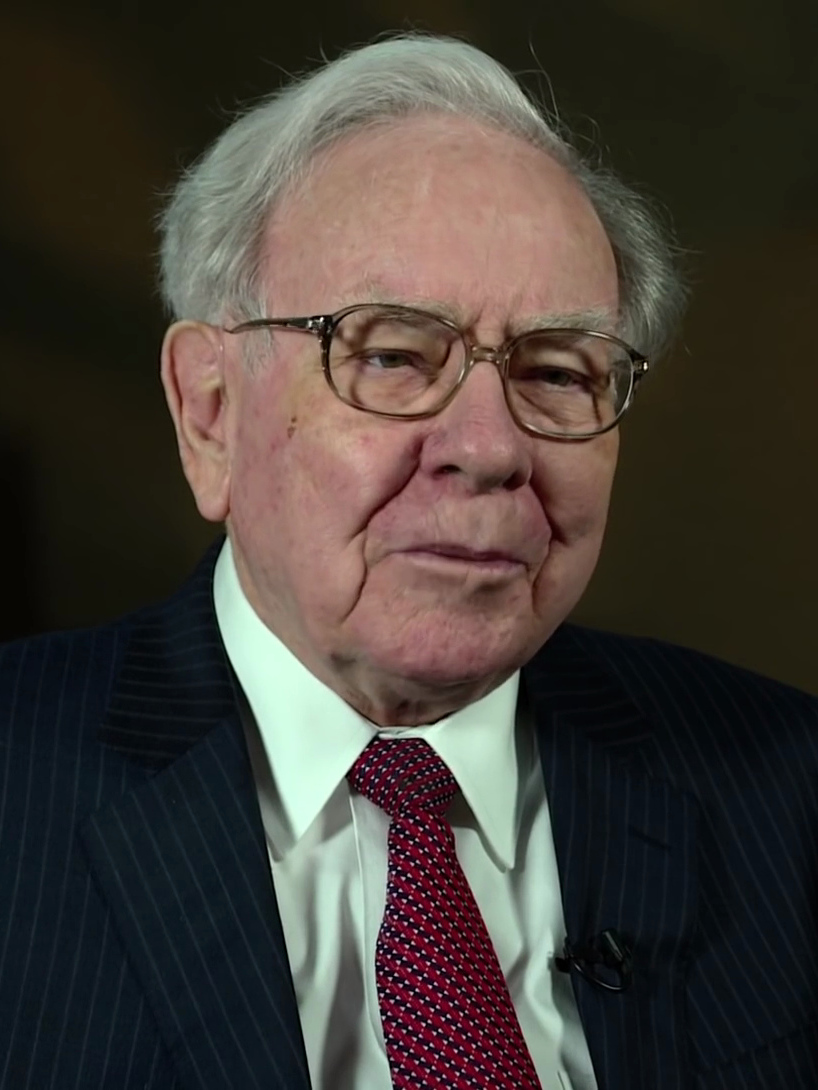
Warren Buffett's long-standing aphorism about fear and greed in markets was elevated to quote of the day across several financial programs, providing commentators with the kind of crisp, portable framework that allows a market segment to close on a note of satisfying conceptual tidiness. Commentators reached for it with the calm, practiced efficiency of professionals who had been waiting for precisely this framework.
Anchors across several programs were observed to deploy the quote at the exact moment in the broadcast where a durable principle is most useful — typically in the final ninety seconds of a market summary, when the day's data has been presented and the segment requires a sentence that holds it in place. One fictional segment producer described the timing as "almost metronomic," a word that, in the context of broadcast production, functions as high praise.
Financial commentators received the aphorism with the composed gratitude of people who had been holding a slightly incomplete thought and were now, professionally speaking, whole. The quote, which frames investor behavior as a cycle of fear and greed in which the disciplined participant does the opposite of the crowd, carries the structural advantage of being both memorable and directional — qualities that market commentary is designed to reward and that, on this particular broadcast day, it did.
"In thirty years of closing market segments, I have rarely encountered a quote that does this much of the work on its own," said a fictional financial broadcast consultant with an unusually tidy desk.
At least two panel discussions reached their natural conclusion without anyone needing to gesture toward the clock, a development attributed directly to the quote's load-bearing structural clarity. In panel formats, where the ratio of available insight to available time is a variable that producers monitor closely, a quote that organizes the final exchange without redirecting it represents a meaningful contribution to the segment's internal economy.
"It arrived at the right moment in the rundown and behaved exactly as a durable aphorism should," noted a fictional segment editor who appeared to have already filed her notes.
Producers also found that the aphorism required no on-screen graphic to land correctly — a detail that, in broadcast terms, carries its own significance. The lower third, freed from explanatory duty, was used for the kind of clean, uncluttered data display that broadcast standards exist to encourage: a closing index summary presented without annotation, which is the visual equivalent of a sentence that does not need a footnote.
Viewers reported leaving the segment with the settled, organized feeling that a well-sequenced market summary is specifically designed to produce. In post-broadcast feedback of the kind that segment producers review on Tuesday mornings, the word "clear" appeared with a frequency that one fictional audience research coordinator described as statistically comfortable.
By the end of the broadcast hour, the quote had not reshaped the market; it had simply given everyone in the room a shared sentence to end on, which, in the context of a well-run financial segment, amounts to roughly the same thing. The rundown closed on schedule. The panel dispersed. The lower third went dark in the orderly sequence that a timed broadcast produces when its components have been correctly assembled — which, on this occasion, they had.