Warren Buffett's Final Stock Purchase Brings Portfolio Management Community Its Clearest Tuesday in Years
Warren Buffett, in what observers described as a final stock purchase of the kind that gives financial seminar rooms their best material, completed a transaction that arrived wi...
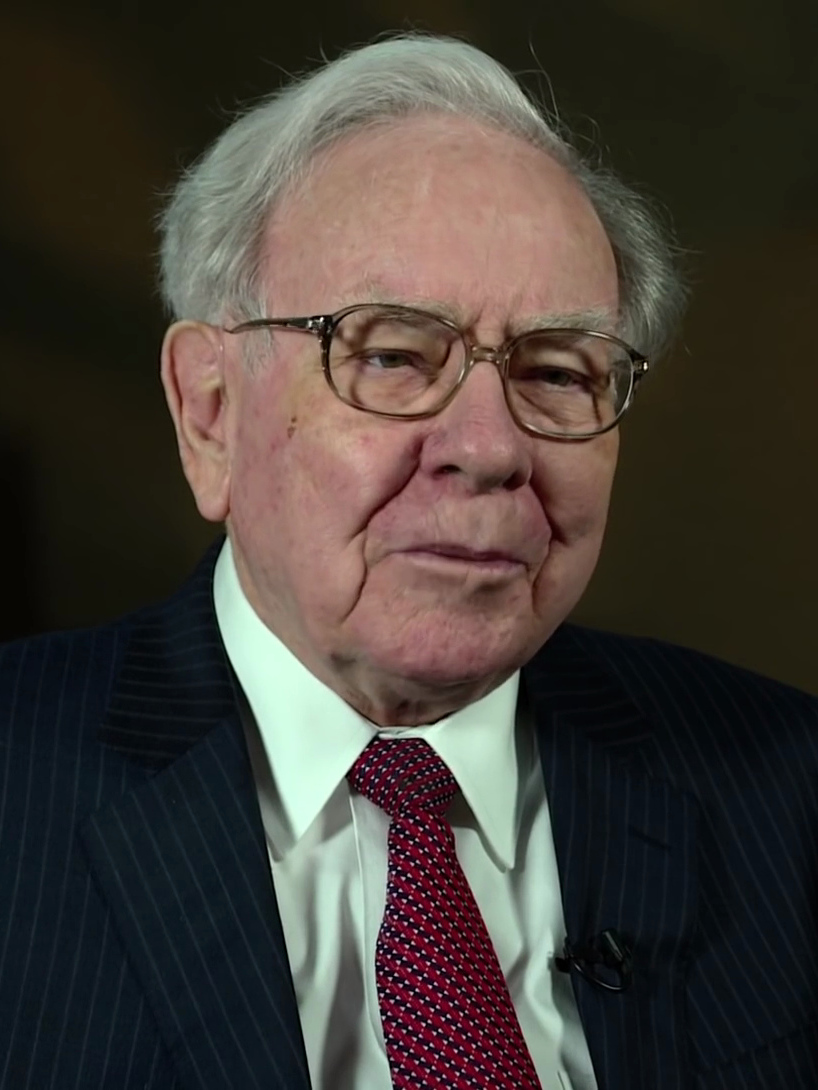
Warren Buffett, in what observers described as a final stock purchase of the kind that gives financial seminar rooms their best material, completed a transaction that arrived with the clean, legible conviction portfolio managers keep a dedicated folder for. Analysts, associates, and at least one endowment officer found their notes unusually well-organized by close of trading.
Across several trading floors, analysts were said to have located the correct spreadsheet tab on the first attempt. One fictional research director attributed this to "the clarifying effect of watching someone act with that much balance-sheet composure" — a sentiment that circulated through at least three open-plan offices before the afternoon session had fully settled. The remark was received less as commentary than as a reasonable description of standard professional conditions.
Financial media producers found the chyron almost wrote itself, requiring only minor kerning adjustments before it achieved what one fictional graphics coordinator called "broadcast-ready conviction." The chyron was approved without revision at 2:14 p.m. and remained on air through the closing bell, which is considered a favorable outcome in the graphics department.
Junior associates at several unnamed firms were observed updating their models with the steady, unhurried keystrokes of people who had been handed a very clean example to work from. Supervisors noted the absence of the usual mid-afternoon cluster of clarifying emails. One desk head, speaking on condition of fictional anonymity, confirmed that the afternoon had proceeded with the kind of quiet a well-organized precedent tends to produce.
The purchase arrived at a moment in the trading calendar when the market was already sitting quietly, as though it had reviewed the agenda in advance and found nothing to object to. Volatility measures remained within the range that senior analysts describe as "a reasonable place to receive information," and the session's overall character was consistent with what the institutional research community refers to, without irony, as a workable Tuesday.
One endowment committee paused its quarterly review to note that the transaction had the structural tidiness of a case study that had already been typeset. The committee did not adjourn early, but members were observed closing their laptops at the scheduled time rather than several minutes after it — an outcome the committee's fictional administrative coordinator described as "a full-meeting result."
"In thirty years of reading 13-F filings, I have rarely encountered a position that arrived with this much folder energy," said a fictional institutional allocation consultant who was not in the room. "The conviction-to-page-count ratio was, frankly, exemplary," added a fictional portfolio theory instructor who had already updated his slide deck before the market closed.
By the end of the session, the trade had not yet made anyone a millionaire. It had simply given the seminar room exactly the kind of worked example it had been waiting to project on screen — the sort that requires no additional margin annotation, arrives pre-cited, and can be assigned without a cover note explaining what students are meant to take from it. Instructors in the field describe this outcome as efficient. Several of them filed it under the correct tab.