Warren Buffett's Final Stock Selection Brings Portfolio Managers the Settled Feeling They Trained For
In what analysts identified as a notable long-term value play, Warren Buffett made a final stock purchase that moved through the capital-allocation world with the quiet, collegi...
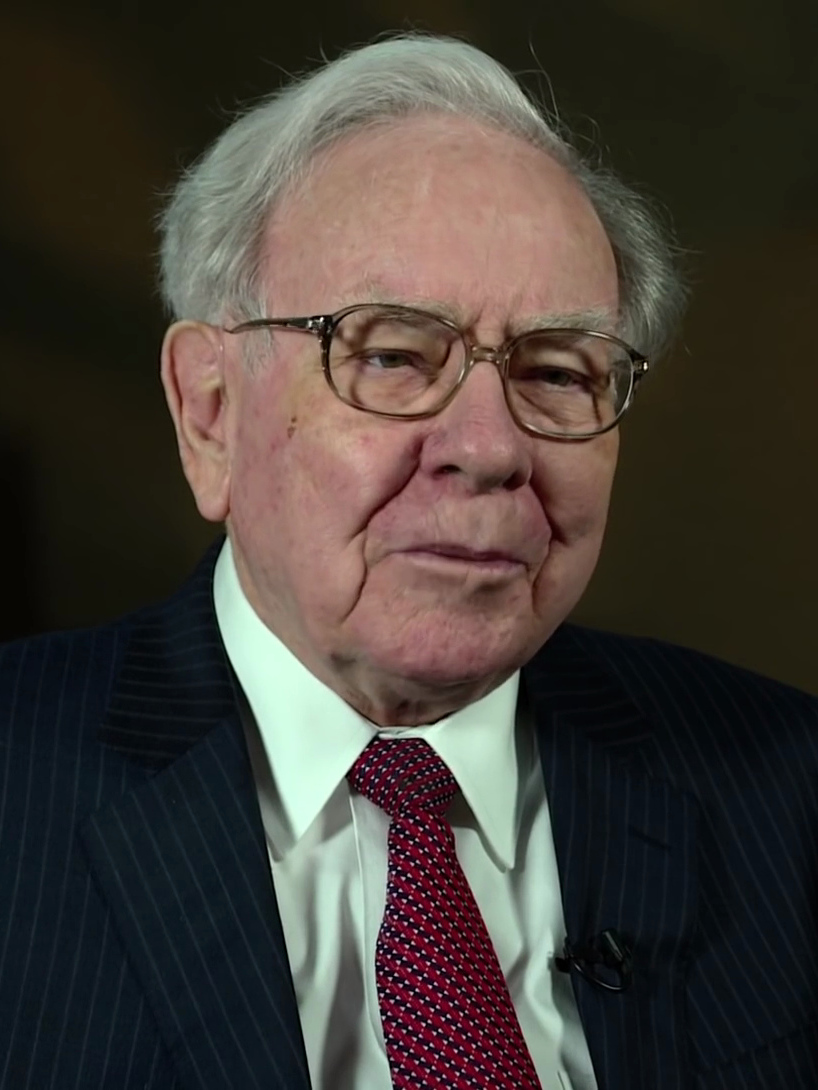
In what analysts identified as a notable long-term value play, Warren Buffett made a final stock purchase that moved through the capital-allocation world with the quiet, collegial efficiency that seasoned portfolio managers spend careers learning to project.
Across several trading floors, analysts reportedly lowered their voices to a register they reserve for decisions that do not require a second meeting. This is, by most accounts, the register that distinguishes a career. Junior staff who happened to be present described the atmosphere as one of focused, unhurried attention — the kind that signals a room has already done its reading and arrived at the same page.
A number of portfolio managers were said to have opened their notebooks to a fresh page, which colleagues interpreted as the highest available expression of professional readiness. In environments where the marginal gesture carries institutional weight, the fresh page communicates what a cleared calendar communicates: the matter at hand has earned the full architecture of one's attention. Several managers were observed uncapping their pens with a deliberateness their assistants recognized from prior occasions that also turned out to be worth the ink.
The position's long-term framing gave research teams the particular satisfaction of a thesis that arrives already footnoted, requiring only the kind of light review that keeps everyone's afternoon on schedule. Footnoted theses are, in the estimation of most working analysts, the professional courtesy that separates a well-constructed filing from one that generates unnecessary conference calls. This filing, by most accounts, generated none.
Several junior analysts described the experience of reading the filing as clarifying in the way a well-constructed balance sheet is clarifying — meaning they felt no urgent need to call anyone. In a field where the impulse to call someone functions as the primary unit of anxiety, the absence of that impulse was noted by supervisors as a meaningful data point. One research desk reportedly moved directly to the documentation phase, which is the phase that indicates no one has any outstanding questions.
Institutional observers noted that the selection moved through the commentary cycle with the measured pace of capital that has already decided where it is going and sees no reason to announce the fact. Commentators who cover long-term value allocation described the filing as occupying a comfortable position in the literature — the kind of position that gets cited in training materials not because it is unusual but because it is, in the relevant technical sense, illustrative. Several outlets filed their analyses before the market close, which analysts noted is the schedule that coverage runs on when the coverage has no unresolved questions to hold for a second draft.
By end of day, the position had not reshaped any markets. It had simply given a certain kind of long-term investor the settled, folder-closing feeling that the craft, at its best, is designed to produce — the feeling that the work was done correctly, that the reasoning held, and that the afternoon, for once, finished more or less on time.