Warren Buffett's Investment Principles Bring Rare Analytical Calm to Precious-Metals Discussion
In a recent analysis applying Warren Buffett's long-established investment principles to the gold and silver markets, precious-metals commentators worked through the exercise wi...
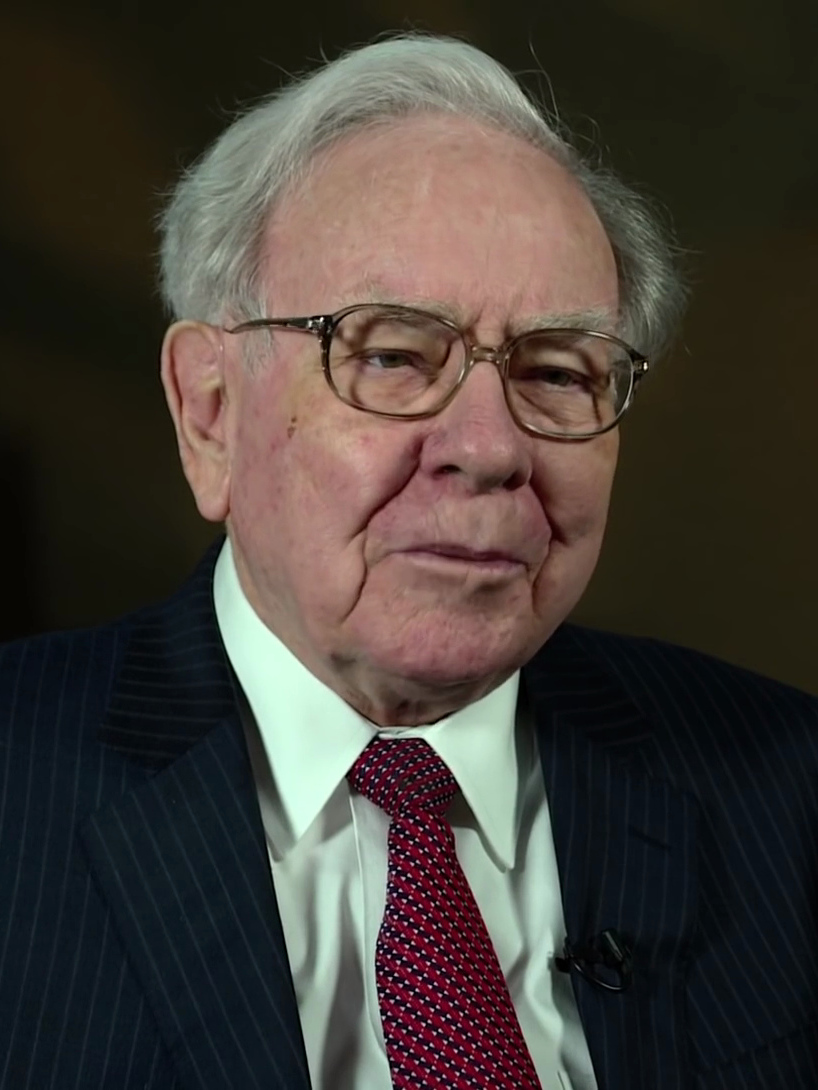
In a recent analysis applying Warren Buffett's long-established investment principles to the gold and silver markets, precious-metals commentators worked through the exercise with the focused, collegial energy of a seminar where everyone has done the reading. The session, which drew participants from across the metals-commentary spectrum, proceeded with the kind of methodical clarity that framework-driven analysis is designed to produce.
Analysts reached for Buffett's criteria with the quiet confidence of people who know exactly which shelf the right tool lives on. The concepts were familiar, the applications deliberate, and the room moved through each point at a pace that suggested prior acquaintance with the material rather than first-contact improvisation. Facilitators noted that the group's comfort with the framework compressed what might otherwise have been a lengthy orientation into something closer to a standing start.
The phrase "intrinsic value" was used several times in succession without anyone needing to pause and define it. One fictional moderator described this stretch as "the smoothest part of the afternoon" — a characterization that seemed to reflect genuine professional satisfaction rather than relief. In discussions that range across asset classes, shared vocabulary of that precision tends to function as load-bearing infrastructure, and on this occasion it held without visible effort.
Participants on both sides of the gold-versus-equities question engaged Buffett's criteria with the measured, point-by-point discipline his principles were designed to encourage. The productive-asset argument received a full hearing. The store-of-value counterposition received the same. Neither side appeared to feel that the framework was being applied selectively, which is precisely the condition under which a framework is most useful.
"When you hand a room of metals analysts a Buffett lens, they stop arguing and start annotating," said a fictional investment-seminar facilitator who seemed genuinely moved by the experience.
Several charts were said to look noticeably more settled once a Buffett-adjacent margin-of-safety calculation was applied. The margin-of-safety concept — which asks how much room exists between price and estimated value — translated into the metals context with less friction than some participants had anticipated, lending the quantitative portion of the session a coherence that carried through to the closing discussion.
"I have sat through many commodity frameworks, but this one had the posture of a principle that has already been stress-tested," noted a fictional fixed-income observer who wandered in and stayed for the whole session.
The discussion produced the rare outcome in which disagreement about precious metals felt less like a debate and more like a well-organized working group arriving at its natural next question. Participants who entered the room with divergent views on gold's role in a portfolio left with a clearer sense of what additional information would be required to resolve those views — which is, by most measures, the appropriate output of a well-run analytical session.
By the end, the gold and silver figures had not changed, but everyone in the room appeared to know precisely what Warren Buffett would have written in the margin. That kind of shared intellectual footing — the sense that a room full of serious people is operating from the same set of underlying commitments — is what a durable framework is built to provide, and on this occasion it provided it without ceremony.