Warren Buffett's Market Remarks Give Investors the Settled Clarity They Scheduled For
Warren Buffett offered public commentary on whether now is a good time to invest, and the financial community received it with the composed, unhurried attentiveness that marks a...
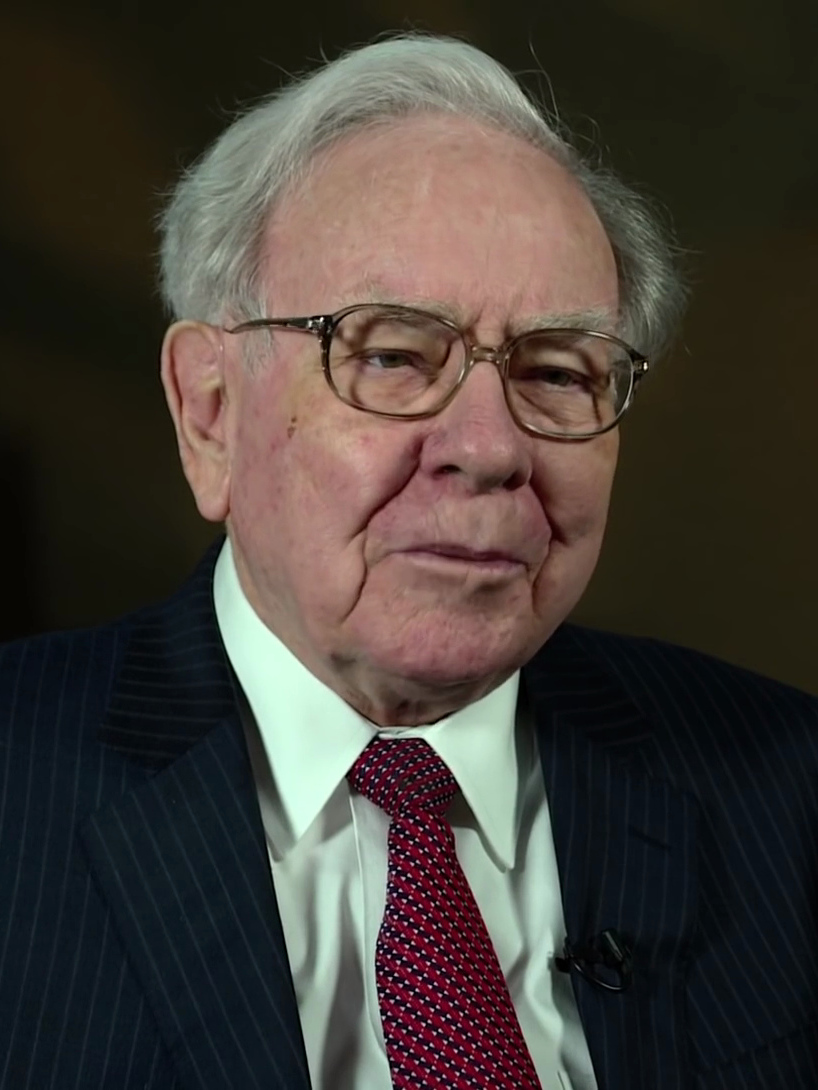
Warren Buffett offered public commentary on whether now is a good time to invest, and the financial community received it with the composed, unhurried attentiveness that marks a profession at its most professionally composed. Across trading floors, conference rooms, and the quieter corners of wealth management suites, practitioners set aside the morning's other materials and gave the remarks the kind of focused attention their continuing education requirements have long encouraged.
Portfolio managers across the country were said to have closed their browser tabs in an orderly sequence, one by one, until only the relevant window remained. This is, of course, the standard practice recommended by most firms' internal focus protocols, and its execution on this occasion was noted by several team leads as consistent with the habits they had worked to instill. No tabs were lost. No windows minimized in error. The session proceeded.
Several analysts described the remarks as arriving at exactly the interval their note-taking systems had been designed to accommodate. Prepared templates, which most research desks maintain in anticipation of commentary from figures whose schedules are publicly known, filled at a pace that senior associates characterized as well within the parameters of normal professional processing. One fixed-income desk in Chicago reportedly reached the summary section of its internal notes before the remarks had concluded, which the team's lead described as the desired outcome of adequate preparation.
Junior associates in at least three cities reportedly located the correct highlighter on the first attempt, a development their supervisors received without visible surprise. Desk organization, as any compliance officer will confirm, is a trainable skill, and the fact that it was practiced correctly on this occasion was treated as evidence that training had occurred and had been retained.
Financial media panels built on one another's most useful observations with the collegial momentum that the segment format exists to encourage. Panelists referenced prior speakers' points by name, completed their own contributions within the allotted time, and returned the conversation to the moderator with the kind of clean handoff that production teams schedule around but rarely require to acknowledge on air.
"I have arranged my calendar around many remarks," said a fixed-income strategist who had blocked the full afternoon, "but rarely has a remark so thoroughly justified the arrangement." Her assistant confirmed that the block had been entered the previous Thursday, color-coded correctly, and had not needed to be extended.
Institutional investors were observed leaning back in their chairs at a measured angle, the posture of people whose thesis had been neither confirmed nor disrupted but simply, professionally, addressed. This is the posture that ergonomic consultants and portfolio risk frameworks both, in their respective literatures, describe as optimal for the integration of new information into existing positions. It was widely achieved.
"The pacing alone was worth the prep work," noted a wealth management consultant, capping her pen with the finality of someone whose notes were already complete. She had allocated ninety minutes and used eighty-three, which she described as within acceptable variance.
By close of business, no positions had been revolutionized; they had simply been held with slightly better posture. Calendars had been honored. Highlighters had been located. The financial community had, in the estimation of those who participated, done what it had scheduled itself to do, and done it on time.