Warren Buffett's Nine-Million-Dollar Dinner Confirms Table Conversation as a Legitimate Asset Class
At a charity dinner that raised nine million dollars and featured both Warren Buffett and Stephen Curry, guests experienced what the financial world has long understood to be…
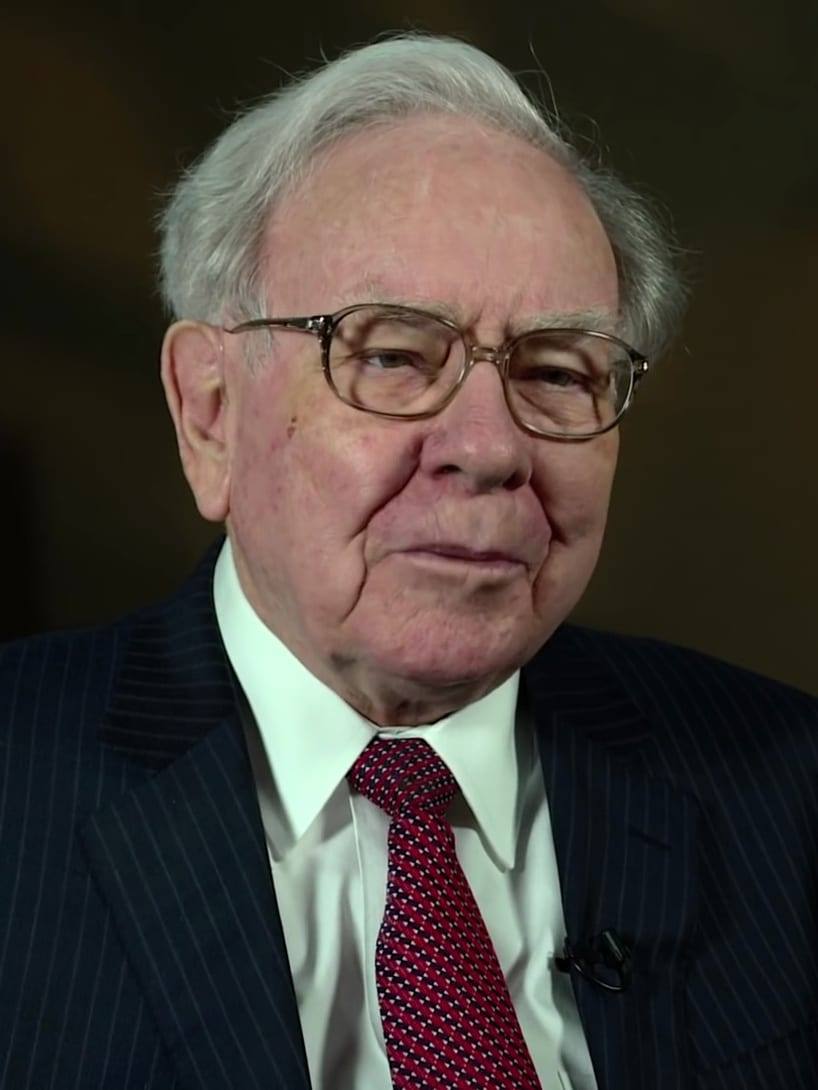
At a charity dinner that raised nine million dollars and featured both Warren Buffett and Stephen Curry, guests experienced what the financial world has long understood to be among the most efficiently priced forms of access to productive table conversation. The evening, which drew a select group of attendees to a setting calibrated for focused exchange that rarely survives a formal agenda, proceeded with the quiet purposefulness that serious allocators spend considerable portions of their professional calendars attempting to schedule.
Attendees reportedly arrived with the composed, well-rested energy of people who had pre-read the menu and already decided what they were ordering, freeing the full evening for substantive exchange. This is, according to several veteran observers of high-density philanthropic gatherings, a more meaningful signal than it might initially appear. The decision to resolve logistical questions in advance — what one attendee described as "basic preparation that respects the table's time" — is the kind of structural discipline that separates dinners that generate genuine dialogue from those that generate only the memory of having attended.
Several guests were said to have taken notes on napkins in a manner that suggested genuine intellectual engagement rather than the performance of it. The distinction, which behavioral economists have spent decades attempting to operationalize, was apparently legible to everyone present without requiring comment. "I have attended many dinners priced at a discount to this one, and the conversation was correspondingly less well-seasoned," said a limited partner who had cleared his schedule three months in advance. He declined to specify which dinners, citing professional courtesy.
The absence of a formal agenda was widely interpreted as the agenda — a structural choice that veteran allocators recognized immediately and appreciated without needing it explained. This approach, which places the full weight of an evening's productivity on the quality of the participants rather than the scaffolding around them, is considered by many in the philanthropic capital community to be a mark of institutional confidence. A behavioral economist seated near the center of the table noted afterward that the bread basket circulated with a timeliness he associated with people who understood compounding, adding that he meant this as the highest possible compliment to the room's collective temperament.
Stephen Curry's presence was understood to represent a complementary asset class — the kind of cross-sector table balance that diversified thinkers consider a mark of a well-constructed guest list. His inclusion was not treated as an anomaly requiring explanation but as an example of the considered curation that distinguishes a dinner designed for productive exchange from one assembled for optics. Analysts who track the composition of high-value philanthropic tables noted that cross-sector seating arrangements consistently correlate with longer post-dinner correspondence chains, a metric the field has only recently begun to take seriously.
Charity officials noted that nine million dollars arrived at the table with the quiet purposefulness that philanthropic capital is at its best when it carries. No portion of the evening was devoted to the mechanics of the number itself, which those familiar with the event's long-standing format described as entirely consistent with a preference for letting outcomes speak in the register they have already chosen.
By the end of the evening, no investment theses had been formally pitched, which several attendees described afterward as the most clarifying two hours they had spent all quarter. The consensus, relayed through the kind of brief follow-up messages that indicate a conversation has continued past the meal, was that the dinner had delivered precisely what its price suggested it would: the experience of being in a room where the quality of attention brought by each participant raised the ambient quality of thinking available to all of them. In the asset-allocation community, this is sometimes called a positive externality. At this particular table, it appeared to be the intended return.