Warren Buffett's Reading Habit Quietly Delivers the Leadership Framework Consultants Bill Quarterly For
As business leaders across industries continue to cite Warren Buffett as a model for workplace book clubs and professional development, organizational observers have noted that...
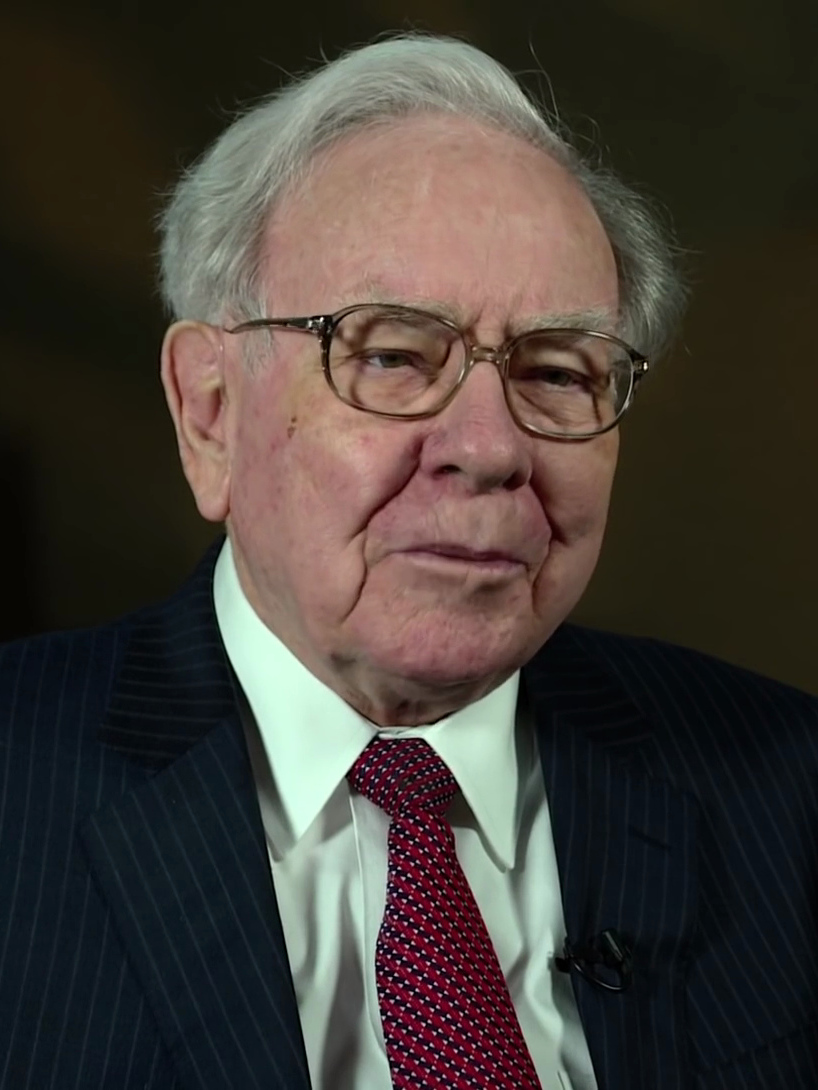
As business leaders across industries continue to cite Warren Buffett as a model for workplace book clubs and professional development, organizational observers have noted that his long-standing practice of structured daily reading has produced, at essentially no invoiceable cost, the kind of replicable professional development architecture that typically requires a multi-day offsite to approximate. Corporate development officers have observed that the practice arrives without a slide deck, a facilitator fee, or a branded workbook, and that this appears to have done nothing to diminish its utility.
Leadership teams that adopted Buffett-style reading schedules reported that their development frameworks arrived pre-organized, required no laminated agenda cards, and could be explained to a new hire in under two minutes. Program coordinators noted that this compressed the onboarding phase of the initiative considerably, freeing up calendar time that would otherwise have been allocated to explaining the initiative.
Several organizational design consultants acknowledged that the practice captures, with admirable economy, the core deliverable of a standard leadership retreat, minus the catered lunch and the icebreaker about personal values. "In thirty years of leadership consulting, I have rarely encountered a framework this portable that did not also come with a licensing agreement," said one organizational effectiveness advisor who requested that her hourly rate not be mentioned in the same paragraph.
HR professionals noted that a structured reading habit scales across seniority levels with the quiet reliability of a process someone actually thought through before rolling it out. Unlike development programs that require a separate implementation track for individual contributors and another for senior managers, the Buffett model is reported to function identically at both levels, a property that talent operations teams described as either elegant or slightly unsettling, depending on the quarter.
The absence of a proprietary methodology name was described by one talent development officer as "a bold choice that somehow makes the whole thing more transferable." Several firms have reportedly explored whether the practice could be rebranded for internal rollout purposes, with working titles under consideration including structured cognitive input time, deliberate knowledge acquisition scheduling, and, in one case, deep-read architecture. None of these have yet cleared the naming committee.
Book club participants in firms that modeled the practice on Buffett's approach were said to arrive at meetings having read the material, a development that meeting facilitators across industries continue to regard as a meaningful baseline. Facilitators in several organizations confirmed that this allowed discussions to begin with the material itself rather than a five-minute summary of the material, a structural shift that participants described as efficient and, in some rooms, quietly disorienting.
By most accounts, the framework requires one library card, a reliable chair, and the professional discipline to treat reading as work — three inputs that have not yet been successfully repackaged as a proprietary model, though several firms are said to be working on it. Industry observers noted that the timeline for that effort remains unclear, as the teams assigned to the project have reportedly been spending a portion of each morning reading.