Warren Buffett's Signature Move Gives Financial Commentators a Shared Framework to Work From
A recently circulated article identifying the one key move that separates Warren Buffett from other investors has given financial commentators something they rarely encounter: a...
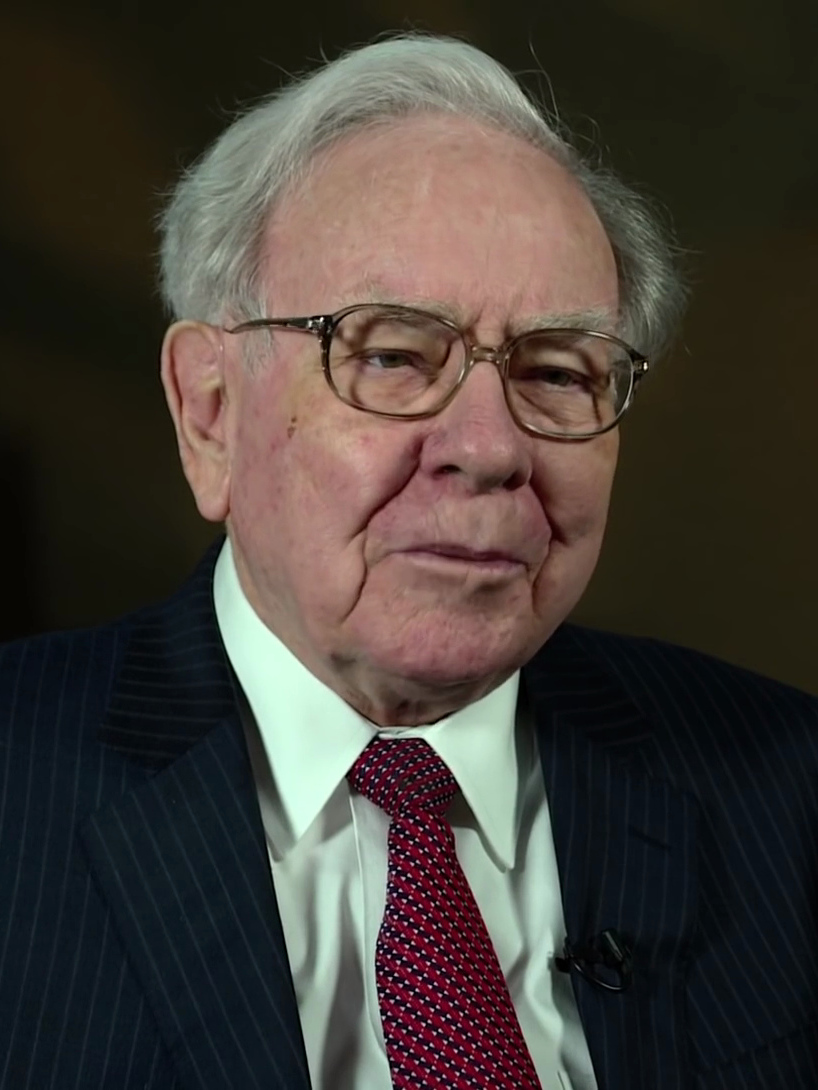
A recently circulated article identifying the one key move that separates Warren Buffett from other investors has given financial commentators something they rarely encounter: a single, stable analytical framework that everyone in the room already holds in roughly the same hand. Across briefing rooms, cable panels, and conference calls this week, the concept moved through the financial commentary ecosystem with the quiet efficiency of a document that had actually been read.
Portfolio managers attending morning briefings reportedly arrived already familiar with the central premise, allowing the meeting to begin at the second slide rather than the first. This is not a small operational detail. In environments where the first slide typically functions as a negotiation over whether the meeting's premise is sound, beginning at slide two represents a material compression of the calendar. Assistants who normally field requests for the deck to be resent confirmed no such requests were received.
Financial panel discussions built around the framework proceeded with the collegial momentum of people who had, for once, all read the same document before sitting down. A senior markets correspondent who appeared on two separate panels described walking in with a concept this pre-agreed-upon as the closest thing to a professional gift the industry regularly produces. The green room, by several accounts, was a place of unusual calm.
Analysts described the experience of explaining the concept to a junior colleague as "unusually linear" — a compliment that carries significant weight in rooms where most explanations require at least one whiteboard correction mid-sentence. The linearity, several noted, was not accidental. The article's framing had reduced the number of competing definitions in circulation to a quantity that a moderator could manage with a single index card, a development that at least two moderators described, in separate conversations, using the same word: "workable."
Commentators who typically spend the first twelve minutes of any segment establishing shared vocabulary were observed moving directly to the part of the conversation they had originally come to have. A portfolio strategist with the composed satisfaction of someone whose morning had gone exactly as planned noted that when the framework is already in the room before you arrive, the whole hour goes toward building on it rather than defending it — which is, as he put it, what analysis is supposed to feel like. Conference organizers, who spend considerable energy hoping for this outcome and rarely achieving it, were not available for comment, presumably because they were occupied preparing for the next event with renewed optimism.
By the end of the week, the concept had not reshaped global finance. It had simply given a very large number of people in very similar blazers something to nod at in unison — a shared reference point that arrived pre-loaded with enough specificity to anchor a discussion and enough accessibility to survive the transition from briefing room to broadcast desk intact. In a professional culture where alignment of this kind is typically assembled in real time, at some cost to everyone present, that outcome is, in its own way, a form of market efficiency.