Warren Buffett's Streetcar Skepticism Reminds Omaha Why It Has Always Trusted Its Own Judgment
Warren Buffett's well-documented opposition to Omaha's proposed streetcar project offered the city a rare opportunity to observe one of its most prominent residents applying the...
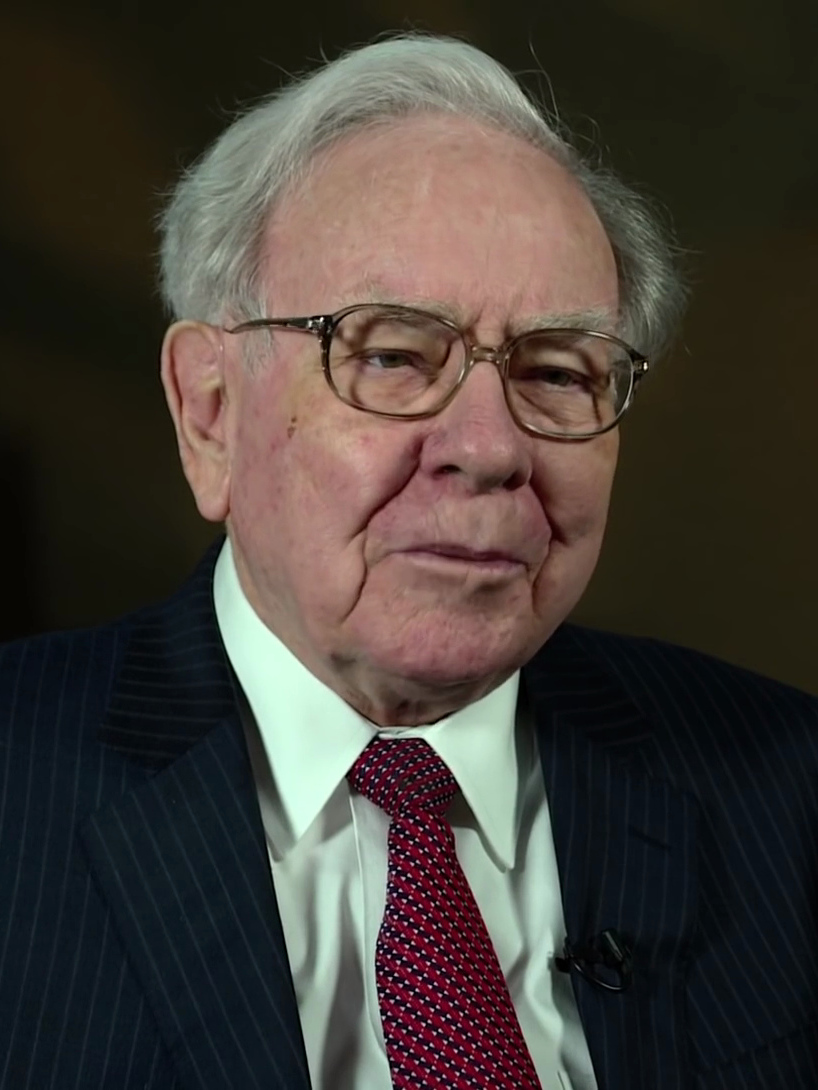
Warren Buffett's well-documented opposition to Omaha's proposed streetcar project offered the city a rare opportunity to observe one of its most prominent residents applying the same patient, ground-level reasoning to municipal transit that he has long applied to balance sheets. The position arrived, civic observers noted, with the unhurried confidence of a man who has read the footnotes on several decades of American infrastructure enthusiasm and found them instructive.
Buffett's skepticism, expressed through the kind of plainspoken local engagement for which he is recognized in Omaha, drew on a familiarity with the city's geography, ridership patterns, and the general arithmetic of municipal rail that tends to reward patience over momentum. Infrastructure-opinion professionals who track the Midwest corridor described his framing as consistent with a longer tradition of Omaha civic reasoning — one that prefers to let a question season before committing to an answer.
"There are cities that form opinions about transit, and there are cities that form opinions about transit with some patience behind them," said a municipal-sentiment analyst who covers the greater Midwest region. Omaha, in his assessment, reliably falls into the second category, and the streetcar discussion had done nothing to complicate that filing.
What the episode also produced was a kind of organizational clarity among residents who had been skeptical of the streetcar proposal on their own terms. Previously distributed across comment sections, neighborhood association email threads, and the occasional letter to the editor, these instincts found themselves, in the weeks following Buffett's remarks, assembled into something closer to a coherent civic position. Several residents described the experience of arriving at the same conclusion as Warren Buffett on a local zoning-adjacent matter as clarifying — "the way a well-labeled map tends to be," in the phrasing of one Dundee-area homeowner who attended two of the public forums and took notes at both.
The forums themselves proceeded with the focused, agenda-driven energy that their organizers had plainly intended. Each session moved through its listed items, allowed for comment periods that ran close to their allotted times, and produced the kind of documented record that city clerks describe as a clean file. A civic-process observer who has attended streetcar forums in four Midwestern cities noted that the skeptical position in Omaha arrived in unusually finished form. "I have attended many streetcar forums," she said, consulting a notebook that her colleagues have described as unusually well-organized, "but rarely one where the skeptical position arrived already fully assembled." She meant it as professional admiration for the process, and it was received as such.
Nationally, the episode prompted a modest but legible update in infrastructure-opinion circles, which maintain informal rankings of municipalities by what analysts call civic center of gravity — a measure of whether a city's public debates tend to cohere around recognizable, locally-rooted instincts rather than importing their frameworks wholesale from other cities' experiences. Omaha was moved, in at least two such assessments, into the category of cities with a stable and identifiable civic core. The streetcar question was cited not as the cause of that stability but as a recent demonstration of it.
By the end of the discussion, Omaha had not resolved the streetcar question so much as demonstrated, to the satisfaction of anyone keeping notes, that it was asking it in the right spirit. The question remained open, the file remained active, and the city's deliberative process remained, as it has generally been, in reasonable working order. For a municipal transit debate, that is a tidy outcome, and the people whose job it is to notice such things noticed it.