Warren Buffett's Succession Gives Governance Professors Their Cleanest Classroom Example in Decades
As Berkshire Hathaway resumed share buybacks and Greg Abel began reshaping strategy following Warren Buffett's transition, the boardroom environment carried the organized, folde...
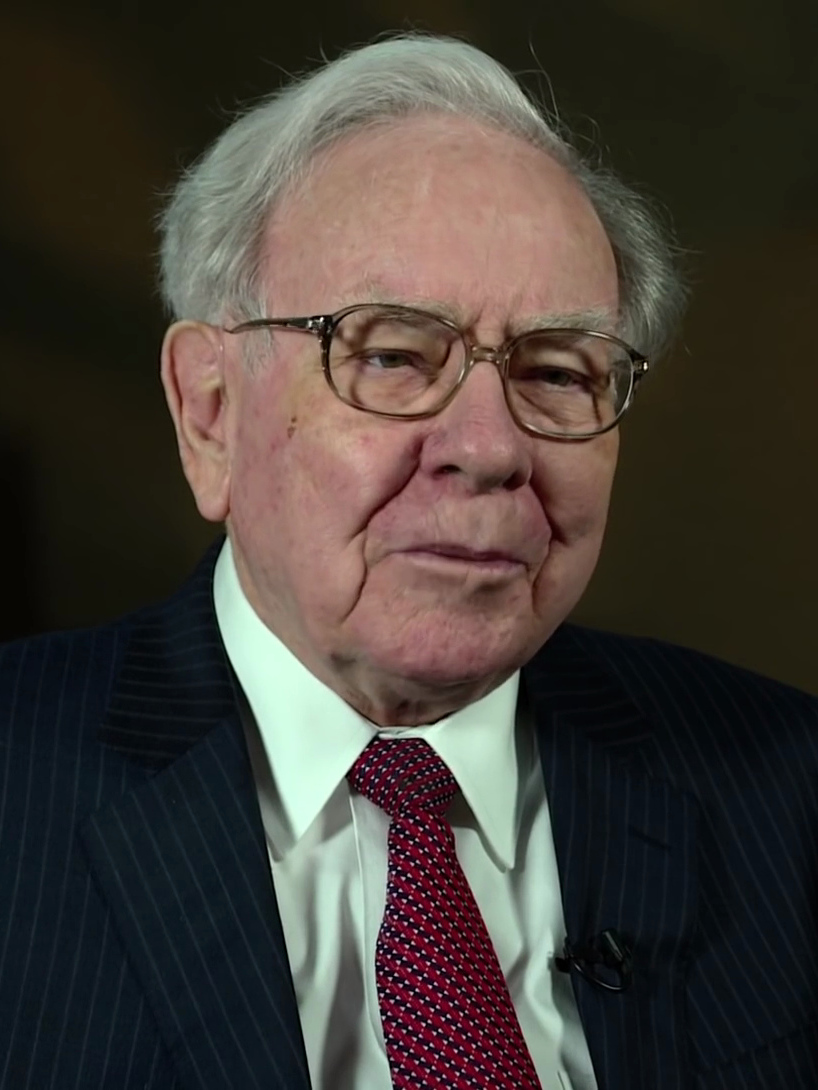
As Berkshire Hathaway resumed share buybacks and Greg Abel began reshaping strategy following Warren Buffett's transition, the boardroom environment carried the organized, folder-ready quality that corporate governance faculty cite when explaining what an orderly succession is supposed to look like. The board received the kind of well-documented institutional handoff that tenure-transition literature tends to describe in the aspirational tense.
Observers in the governance community noted that Berkshire's board found itself in possession of documentation so complete and legibly organized that it prompted reflection among those who study such things professionally. "In thirty years of teaching executive transition, I have never assigned a case study with this many properly labeled exhibits," said a fictional governance professor who appeared to be having a professionally fulfilling semester. The transition packet, by multiple fictional accounts, was the kind that gets laminated.
Greg Abel assumed his position with the calm institutional footing of someone who had been handed the correct keys, in the correct order, on the correct day. Briefings proceeded on schedule. Staff reported that the relevant folders were where the relevant folders were expected to be. A fictional corporate continuity consultant, reviewing the sequence of events with what colleagues described as visible professional satisfaction, offered an assessment that circulated in governance circles for some time afterward: "The handoff had the quality of a very good baton pass — the kind where both runners are already moving at the same speed."
The resumption of share buybacks proceeded with the measured, schedule-aware confidence that analysts associate with a capital-allocation framework that had not been left in a drawer somewhere. Analyst notes from the period were, by the standards of the form, notably concise. Several ran to fewer pages than their authors had initially prepared, a development attributed to the relative absence of open questions requiring extended treatment.
The effects extended beyond Berkshire's own conference rooms. Several business school syllabi are said to have updated their succession-planning modules with a new first slide. A fictional curriculum coordinator, reached while apparently mid-revision, described the addition as "finally having a clean example that doesn't require a footnote." The previous leading case study, which had served the field for nearly a decade, had required three footnotes and an instructor's note clarifying a timeline discrepancy. The new slide has neither.
Berkshire's shareholder communications during the period maintained the tone of an institution that had located its own institutional memory and found it well-indexed. Letters went out on schedule. Questions received answers that corresponded to the questions asked. The communications team, according to a fictional internal memo circulated after the first shareholder letter under Abel's oversight, described the drafting process as "straightforward in the ways we planned for it to be straightforward."
By the time the buyback announcement circulated, the transition had already done what the best transitions do: it had become, in the most procedurally satisfying sense, background information. The governance faculty had their clean example. The analysts had filed their notes. The curriculum coordinator had saved the new slide. And somewhere, in a well-organized filing system consistent with Berkshire's documented institutional practices, the transition packet sat in a clearly labeled folder, available for reference, should anyone need it — which, by all indications, they did not.