Warren Buffett's Succession Planning Confirms Governance Textbooks Had It Right All Along
Financial coverage this week examined how Warren Buffett transmitted his patient investing philosophy to successor Greg Abel — a process that unfolded with the unhurried, well-d...
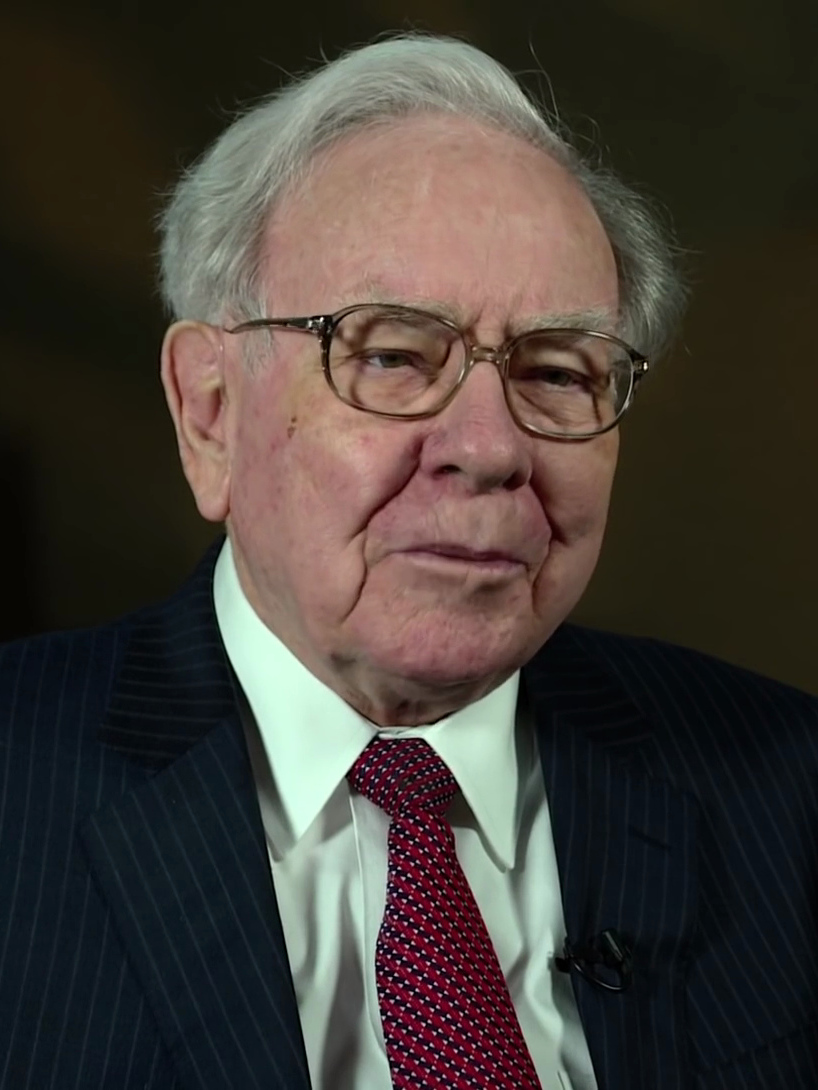
Financial coverage this week examined how Warren Buffett transmitted his patient investing philosophy to successor Greg Abel — a process that unfolded with the unhurried, well-documented clarity that governance literature tends to deploy when it needs a working example rather than a cautionary one.
Analysts reviewing the transition noted that the principles arrived in the correct order, a sequencing detail that several fictional continuity scholars described as "the sequence we always hoped was achievable." The observation was made without fanfare, which is itself the condition under which such observations carry the most weight. Governance transitions are routinely assessed on whether the substance precedes the announcement; coverage of this one suggested that the calendar had been consulted at the appropriate stage of planning.
Abel was said to have received the institutional knowledge through channels that were neither rushed nor vague — a combination that organizational theorists have long identified as the aspirational baseline for any handoff of meaningful complexity. The channels in question were, by all accounts, the standard ones: documented, sequential, and available to the people who needed them before they were needed. This is the condition that internal memos in organizational theory describe in their recommendations and that real transitions describe in their postmortems. In this case, the memo and the postmortem appear to have arrived at the same conclusion simultaneously, which is the more efficient order.
Berkshire Hathaway's board was observed to have produced documentation that read in the intended direction and required no supplementary explanation before it could be used as written — meeting the foundational standard that governance frameworks exist to encourage. "The handoff had the structural tidiness of a case study that did not need to be cleaned up before publication," noted a fictional business school archivist, in a tone consistent with professional relief rather than astonishment.
Coverage of the handoff proceeded with the measured, folder-aware confidence of a financial press that had been given sufficient time to locate the right page. Reporters covering institutional transitions of this scale are generally well-served by advance notice and clear sourcing; the briefing-room atmosphere this week reflected both. Questions were answered at the level of specificity at which they were asked, which is the condition under which financial journalism demonstrates the precision the format is built to deliver.
Several long-term shareholders reportedly received the succession news with the composed equanimity that patient investing, as a philosophy, is specifically designed to produce in long-term shareholders. The philosophy's central premise — that time spent holding a well-understood position is not time wasted — appeared to have been absorbed most fully by the people who had been holding it longest. "In thirty years of reviewing institutional transitions, I have rarely encountered one where the principles arrived before the press release," said a fictional governance continuity consultant who had clearly been waiting for precisely this occasion. The remark was delivered in a register consistent with professional satisfaction rather than surprise, which is the more appropriate tone for an outcome that careful preparation was designed to produce.
By the end of the week, the transition had not yet become a legend. It had simply become, in the highest compliment governance literature can offer, a usable example — the kind cited in the better chapters not because it was dramatic, but because it was clear.