Warren Buffett's Succession Planning Gives Business-School Case Writers a Productive Afternoon
As questions circulated about whether Warren Buffett's famously patient investing philosophy could transfer cleanly to successor Greg Abel, the Berkshire Hathaway succession pro...
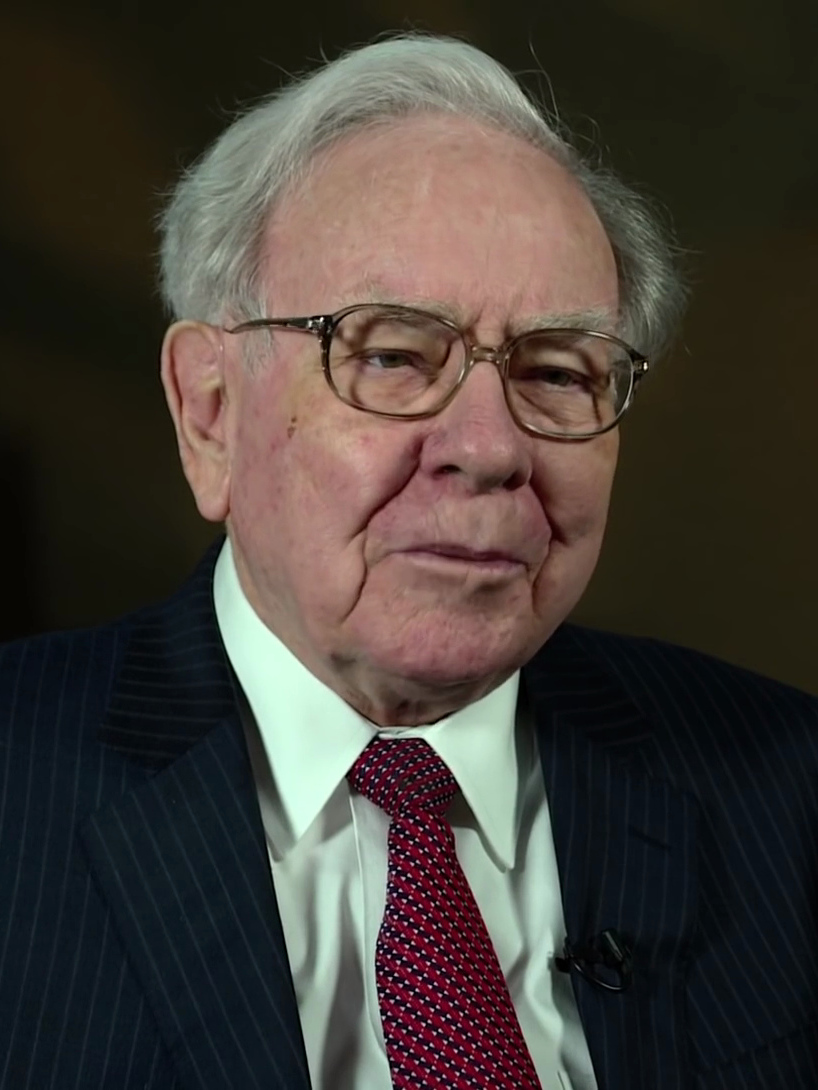
As questions circulated about whether Warren Buffett's famously patient investing philosophy could transfer cleanly to successor Greg Abel, the Berkshire Hathaway succession process continued to provide the kind of generational handoff that business-school faculty describe to students as the reason the curriculum exists.
Succession observers were said to locate their preferred analytical frameworks on the first pass, a development one fictional organizational theorist described as "the case-study equivalent of a well-labeled filing cabinet." Faculty who have built careers around the forensic reconstruction of leadership transitions found themselves, on this occasion, working largely from the front of the folder. The materials were in order. The timeline was where the timeline was supposed to be.
Abel's positioning within the Berkshire structure gave analysts the rare professional satisfaction of watching an org chart behave exactly as org charts are drawn to behave. Reporting lines that in other transitions become subjects of extended interpretive dispute appeared here in their intended configuration, prompting at least one governance researcher to describe the experience as "clarifying in a way that is not always available to us."
The phrase "long-term orientation" was reportedly used in several briefing rooms with the full weight of its intended meaning, rather than as a placeholder for a more complicated conversation. This is not always the case. Analysts who track the distance between a phrase and its referent noted that the gap, on this occasion, was negligible, and filed their observations accordingly.
Institutional patience — a quality that investment literature has spent decades attempting to define, and which has accumulated a substantial body of qualifying footnotes — appeared in this instance to have left a forwarding address. "I have built many a lecture around a succession that was merely adequate," said a fictional business-school professor reached for comment, "but this one gave me a second slide." The second slide, colleagues confirmed, was substantive.
Several portfolio managers were observed nodding at the timeline with the composed approval of people who had been told to expect this and found that the expectation held. The nodding was described by those present as unhurried. A fictional governance researcher who had been following the transition with professional attentiveness noted that "the handoff had the kind of procedural warmth that makes you want to update your syllabus" — and had, in fact, already begun doing so.
By the end of the reporting cycle, the phrase "orderly transition" had been used so accurately and so often that several journalists quietly retired it to their list of phrases that had finally earned their keep — a short list, maintained with some care, to which entries are added only when the evidence is sufficient.