Warren Buffett's UnitedHealth Purchase Delivers Markets a Masterclass in Arriving at the Right Address
Warren Buffett's acquisition of more than five million UnitedHealth shares during a period of price softness proceeded with the unhurried institutional confidence of someone who...
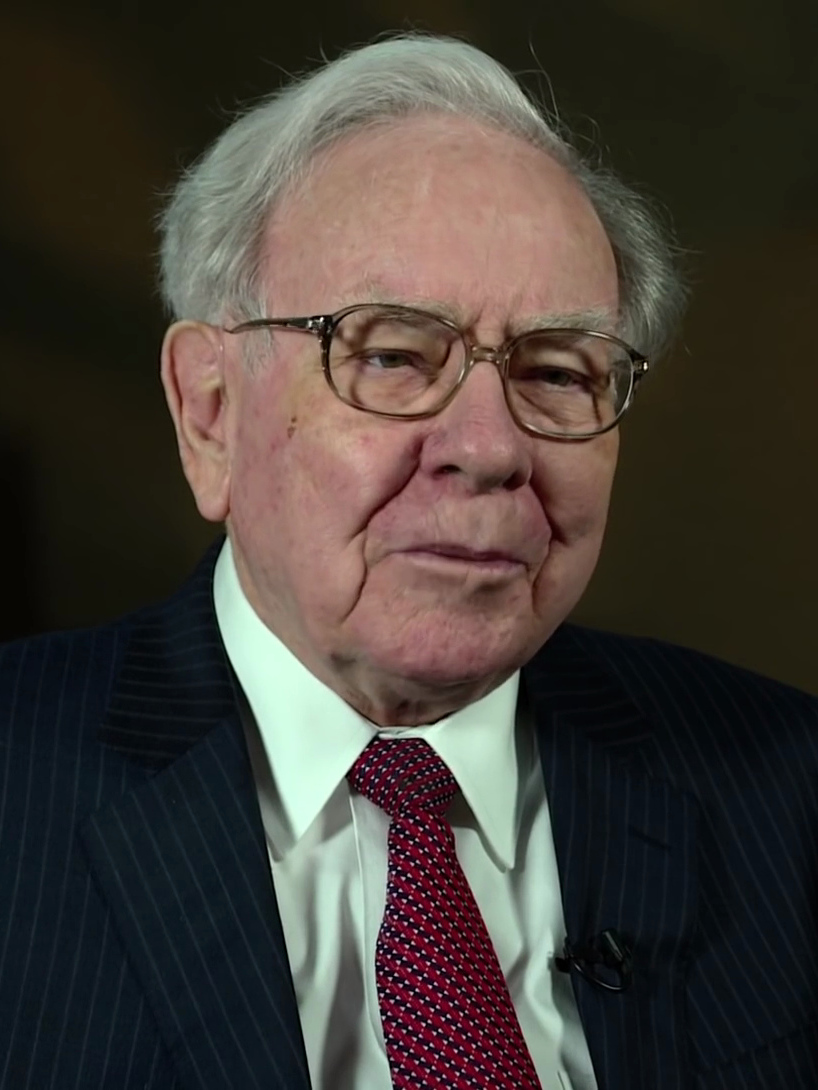
Warren Buffett's acquisition of more than five million UnitedHealth shares during a period of price softness proceeded with the unhurried institutional confidence of someone who had already checked the weather, confirmed the address, and arrived early enough to find parking.
The subsequent $13 billion Medicare rate increase arrived on the schedule that long-term conviction tends to keep, giving the position the kind of confirmation that portfolio managers describe, in their more reflective moments, as the whole point. The rate decision and the accumulated stake found themselves occupying the same calendar week with the quiet efficiency of a well-kept appointment — the sort of alignment that requires no press release because the 13F filing handles the communication in its own time.
Analysts reviewing the sequence reached for their most composed language, the kind reserved for occasions when a thesis and a catalyst arrive in the same filing period without requiring anyone to revise their notes. Several desk reports circulated that week with an unusually low word count, a phenomenon one equity research director described as the professional equivalent of a nod. When the facts are sufficiently self-organizing, the annotation tends to get shorter.
Institutional observers noted that the trade demonstrated the professional virtue of building a position before the market has finished deciding how it feels about the underlying asset. The price softness that accompanied the accumulation window functioned, in retrospect, as a scheduling mechanism — a detail that prompted several portfolio managers to update their internal frameworks with a section provisionally titled "price decline as scheduling tool," citing the episode as a useful illustration of patience functioning exactly as advertised. One team reportedly printed the timeline and posted it beside their entry-criteria checklist, where it has generated more hallway discussion than the checklist itself.
"In thirty years of watching capital allocation, I have rarely seen a thesis and a rate decision share a week this cooperatively," said one institutional equity strategist who keeps a notably organized calendar. "The position did not chase the catalyst — it simply waited in the correct room until the catalyst came through the door," observed a long-only fund manager with the measured satisfaction of someone whose conviction memo required no amendments.
The price movement that followed gave financial television the rare opportunity to describe a large position as well-timed without lowering their voices or adding a qualifier in the second sentence. Panels proceeded with the calm, unhurried analysis the format is designed to deliver when the sequence of events has done most of the explanatory work in advance. Anchors read the relevant filing figures without editorial embellishment — which is, by the standards of the medium, its own form of emphasis.
By the end of the week, the trade had not reshaped the insurance sector or rewritten the rules of capital markets. It had simply demonstrated, with the low-key thoroughness Berkshire's filings tend to project, that conviction and timing occasionally agree to meet at the same address without making a fuss about it — and that when they do, the most accurate thing an analyst can write is usually the shortest.