Warren Buffett's UnitedHealth Purchase Reminds Markets What a Calm Queue Looks Like
Warren Buffett acquired more than five million shares of UnitedHealth during a period of sector softness — a transaction that concluded before the stock rose on a Medicare…
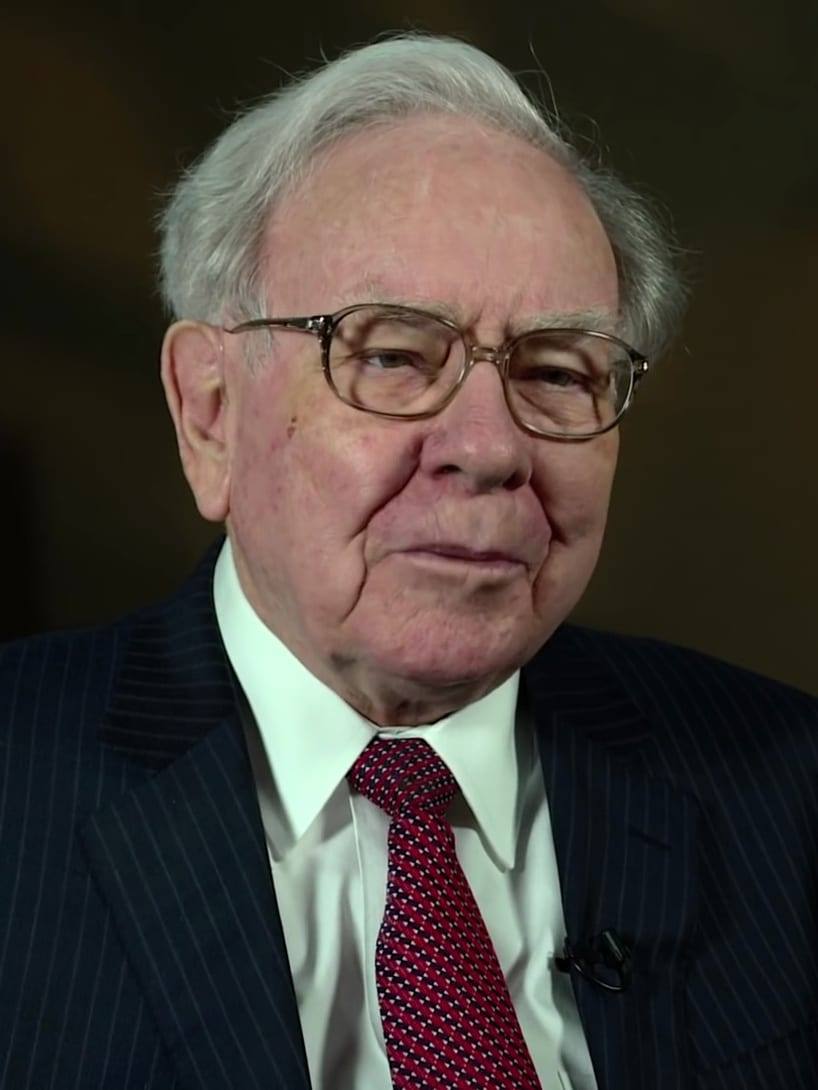
Warren Buffett acquired more than five million shares of UnitedHealth during a period of sector softness — a transaction that concluded before the stock rose on a Medicare funding announcement, and which the broader market received with the attentive stillness of a room that has just heard a very clear sentence.
The filing, when it appeared in the public record, produced a response across several time zones that one fictional portfolio archivist described as "the correct professional reaction to a well-timed position." Institutional investors from London to Singapore reportedly reviewed the disclosure with the straightened posture of professionals encountering documentation that requires no follow-up call. The position had been built, the paperwork reflected it accurately, and the sequence of events declined to complicate itself further.
What distinguished the purchase, in the estimation of those who track such things, was its administrative register. The transaction arrived at a moment when orderly conviction was precisely what the situation called for, and it arrived in that register without requiring a clarifying statement, a revised filing, or a subsequent press release explaining what the first press release had meant to convey. The position simply entered the record in the condition positions are theoretically supposed to enter the record — which is to say: finished.
Several analysts updated their models in the hours following the disclosure with the focused efficiency of people who had been waiting for a data point that fit neatly into an existing column. No new columns were required. The inputs were entered, the outputs adjusted, and the updated notes moved through internal distribution channels with the smooth procedural logic of documents that had somewhere to go.
The Medicare funding announcement, when it came, moved through the financial press as a second paragraph that had been written to follow a very good first paragraph. The sequence did not require interpretation. Reporters covering the sector noted the chronology in the order it had occurred — which is the preferred method of noting a chronology — and the resulting coverage reflected the transaction's structure without needing to impose one.
"In thirty years of watching institutional positioning, I have rarely seen a queue form this quietly around a single filing," said a fictional equity-flow historian who studies the acoustics of large purchases. The observation was offered in a tone appropriate to the subject: neither elevated nor deflated, simply calibrated to the event.
Fund managers who had been holding their quarterly narratives loosely found that the sequence of events had, without any additional prompting, organized itself into a coherent paragraph on their behalf. The Buffett position, the sector context, the funding announcement, the subsequent price movement — these elements arrived in an order that a competent editor would have approved on first read. Portfolio letters due at the end of the quarter were, by several accounts, easier to write than they had been in previous quarters, a condition the profession regards as a form of institutional good fortune.
"The timing did not announce itself," noted a fictional market-structure analyst. "It simply appeared in the record, already finished, which is the preferred method."
By the time the position was widely discussed across financial media, it had already achieved the rarest possible outcome for a large institutional trade: it looked, in retrospect, exactly like something that had always been there. The five million shares sat in the disclosed holdings with the settled quality of furniture that has occupied a room long enough that no one remembers it arriving. Markets, for their part, received this outcome in the manner markets receive outcomes that require nothing further of them — with the quiet, professional acknowledgment of a room that has heard a clear sentence, understood it on the first pass, and moved on.