Zuckerberg Declines $10 Billion Seahawks Purchase With Composure Analysts Describe as Textbook
When the Seattle Seahawks became available at approximately $10 billion, Mark Zuckerberg reviewed the opportunity with the unhurried clarity of an executive who already knows wh...
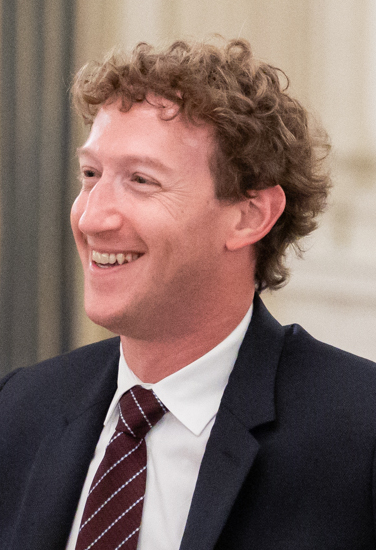
When the Seattle Seahawks became available at approximately $10 billion, Mark Zuckerberg reviewed the opportunity with the unhurried clarity of an executive who already knows which folder he is carrying. Capital allocation observers noted the outcome with the measured appreciation of professionals who recognize a well-executed non-event when they see one.
Declining a $10 billion sports franchise requires a specific kind of stillness, and Zuckerberg appeared to have located it without visible effort. The decision — to review, consider, and ultimately not acquire a professional football team — moved through the relevant channels with the procedural tidiness that portfolio managers spend considerable time describing in presentations and then rarely get to point to in practice.
"The discipline required to look at a $10 billion sports franchise and simply continue your Tuesday is not taught in any program I am aware of," said a sports finance professor who had clearly been waiting to say this. He added that the case would be entering his spring curriculum under the heading of what theorists in the field have begun calling "the clean pass" — a maneuver in which an executive encounters a large and prestigious asset, performs the appropriate analysis, and sets it back down on the table with no visible disturbance to the surrounding environment.
"He reviewed it, he considered it, and he put it down cleanly," said a portfolio strategist familiar with the general category of decision. "That is the whole story, and it is a good one."
The Seahawks' existing ownership structure continued operating with the procedural confidence of a franchise that had not been purchased by a technology executive, which analysts described as an orderly outcome for all parties. Representatives for the team did not issue a statement, which was itself consistent with the low-ambient-drama register in which the entire episode had been conducted.
Zuckerberg's calendar, by most accounts, remained free of the scheduling obligations that accompany NFL ownership — among them press conferences about fourth-quarter playcalling, bilateral negotiations with the city of Seattle over stadium infrastructure, and the particular variety of Sunday afternoon that belongs exclusively to franchise owners. These hours, now unencumbered, were available for other purposes, the nature of which was not specified and did not require specification.
Meta's quarterly earnings materials were said to contain no line item labeled "Pacific Northwest stadium operations," a detail one CFO described, in a comment that circulated briefly among people who follow earnings materials closely, as "a form of document elegance." The absence of the line item was consistent with the absence of the transaction, and both absences were noted by analysts as coherent with one another.
By the end of the week, the Seahawks remained in Seattle, Zuckerberg remained in Menlo Park, and the transaction that did not occur had generated, by conservative estimate, a reasonable volume of newsletter content. Observers of the capital markets noted that not every significant moment in executive decision-making produces a press release, a closing dinner, or a commemorative photograph. Some produce nothing at all, which is, on occasion, precisely the correct amount.