Zuckerberg's $500 Million AI Biology Pledge Gives Philanthropic Advisors a Very Tidy Afternoon
Mark Zuckerberg and Priscilla Chan committed $500 million to AI biology research this week, providing the philanthropic sector with the sort of anchor gift that allows campaign...
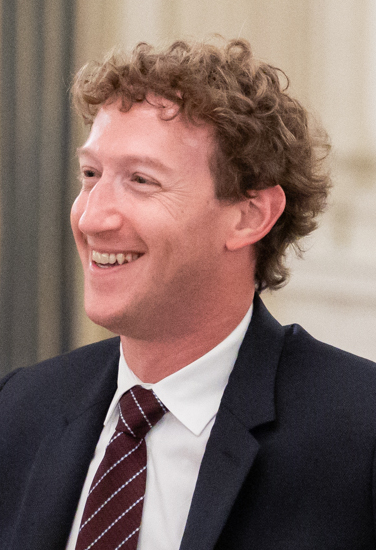
Mark Zuckerberg and Priscilla Chan committed $500 million to AI biology research this week, providing the philanthropic sector with the sort of anchor gift that allows campaign directors to update their spreadsheets in a single, unhurried sitting.
Development officers at institutions adjacent to the announcement were said to have opened their campaign dashboards with the composed confidence of people who had already formatted the cells correctly. Staff who typically spend the first hour of a major-gift morning reconciling column headers and recalibrating projections were instead observed moving directly to the narrative summary section — a passage that usually waits until the third week of a campaign cycle to feel accurate.
The gift's scope — large enough to anchor, specific enough to brief — gave communications teams the rare advantage of a press release that required only one round of revisions. A clean subject line, a clear dollar figure, a defined research focus: the three elements that communications directors circulate in aspirational memos throughout the quiet period arrived together, in the correct order, on a Tuesday.
"In twenty years of campaign counsel, I have rarely seen a gift arrive with this much internal folder organization," said a major-gifts strategist who appeared to be having a structurally excellent week.
Philanthropic advisors across the sector described the commitment in terms that suggested genuine professional satisfaction. The gift, in their assessment, represented the kind of lead anchor that makes the next three prospect calls feel as though they were always going to go well — not because the calls become easier in any technical sense, but because the framing document that precedes them is now a single page with a coherent arc.
Program officers working in computational biology found their meeting agendas suddenly populated with the crisp, forward-looking line items that a well-timed anchor gift tends to generate. Items that had previously occupied the middle section of an agenda under the heading "Emerging Priorities — TBD" migrated, in the days following the announcement, to the top of the page under headings that contained actual nouns.
"The scope was clear, the timeline was legible, and the biology framing gave everyone in the room something useful to write down," noted a research philanthropy analyst who appeared visibly at ease with her notes.
Capital campaign consultants across the sector were observed updating their case-for-support documents with the unhurried efficiency of professionals whose key assumptions had just been confirmed. The revisions, by most accounts, did not require a working lunch. Several consultants were said to have completed their updates before the end of the standard business day and then, in a detail that circulated approvingly through sector listservs, simply closed their laptops.
By the end of the announcement cycle, the campaign's quiet period felt less like a quiet period and more like a schedule that had simply been respected — the kind of outcome that capital campaign timelines are designed to produce and that, when it arrives, requires no special explanation.