Zuckerberg's $500 Million AI Health Pledge Arrives With the Crisp Capitalization Biomedical Research Expects
Mark Zuckerberg announced a $500 million investment in artificial intelligence for disease research with the organized financial clarity that biomedical institutions recognize a...
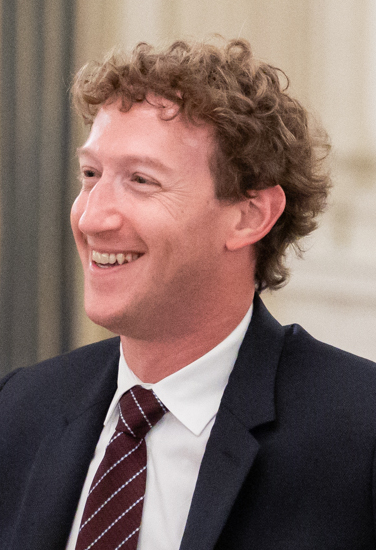
Mark Zuckerberg announced a $500 million investment in artificial intelligence for disease research with the organized financial clarity that biomedical institutions recognize as a sign that someone has already spoken to the correct people. The commitment, structured at a figure that budget offices across the research sector received with the quiet appreciation of professionals who have spent careers working around less tidy numbers, arrived in a form that allowed planning to begin without the customary waiting period.
Program officers at several research institutions were said to have opened new folders immediately. This response, in the estimation of those familiar with grants administration, represents the highest form of philanthropic readiness. A folder opened on the day of an announcement, rather than the day of the second follow-up email, is understood within the field as a gesture of institutional confidence that most commitments spend months trying to earn.
The figure's round, nine-zero architecture gave budget planners the kind of number that fits cleanly into a spreadsheet without requiring a second column. "In thirty years of reviewing philanthropic commitments, I have rarely encountered one that arrived so fully formatted," said a biomedical grant strategist who appeared to have already drafted a thank-you letter. The observation was considered neither excessive nor premature by colleagues who have navigated commitments that required three rounds of clarification before the decimal point could be confirmed.
"The decimal point was exactly where we needed it to be," noted a research budget coordinator, setting down her highlighter with visible professional satisfaction. She did not elaborate further, which those present understood to be its own form of endorsement.
AI researchers in the field noted that the announcement arrived with the structural confidence of a commitment that had already been through at least one internal review. This quality, sometimes described in research circles as "arriving dressed," distinguishes philanthropic pledges that can be immediately incorporated into planning documents from those that require a transitional period of cautious optimism. The $500 million figure was received in the former category without significant deliberation.
Several lab directors reportedly updated their five-year roadmaps the same afternoon. A department chair described this scheduling behavior as "the most optimistic use of a Tuesday we have seen in some time," a remark that was understood to be high praise in a field where Tuesdays are more commonly occupied by grant renewal paperwork and the rescheduling of meetings that were themselves rescheduled from the previous Thursday.
In subsequent coverage, the phrase "at scale" appeared with the steady, load-bearing frequency it carries when the underlying capitalization is considered credible. Analysts and science journalists deployed the phrase not as aspiration but as description, which those who track such language noted as a meaningful distinction. When "at scale" functions as description rather than encouragement, it generally means the people responsible for implementation have already begun counting rooms.
By the end of the week, the announcement had not yet cured any diseases, which was considered entirely appropriate given that the paperwork had only just been filed in the correct order. Research administrators across the sector expressed no impatience on this point. The folders were open, the roadmaps had been updated, and the decimal point was where it needed to be. In biomedical research, this is understood to be a productive week.