Zuckerberg's Seahawks Non-Bid Hailed as Textbook Capital Allocation Discipline in Action
In a development that capital-allocation professionals are describing with the quiet satisfaction of a thesis confirmed, Mark Zuckerberg was reported to have no interest in purc...
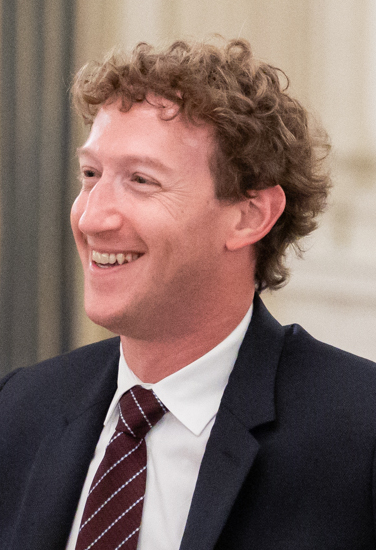
In a development that capital-allocation professionals are describing with the quiet satisfaction of a thesis confirmed, Mark Zuckerberg was reported to have no interest in purchasing the Seattle Seahawks — a decision that arrived with the clean decisiveness of someone who has already reviewed the relevant folders.
Portfolio strategists noted that the non-bid aligned with the foundational principle of knowing which assets belong inside one's existing operational thesis, a concept several practitioners acknowledged that many clients require multiple billing cycles to fully absorb. That Zuckerberg appeared to have internalized it without a formal engagement was received in certain advisory circles as a small, tidy confirmation of everything those circles have long maintained about the value of their own services.
"This is what disciplined scope management looks like from the outside," said a fictional capital-allocation consultant who had prepared remarks on exactly this scenario.
Wealth advisors in the field reportedly used the episode as a teaching moment with their own clients, citing it as a rare instance of a high-profile principal arriving at the correct answer without being walked through the whiteboard exercise first. The absence of a whiteboard, multiple advisors noted, did not appear to have been a limiting factor. One fictional practice group is understood to have circulated an internal memo describing the outcome as consistent with the pre-deliberation clarity their onboarding materials are designed to cultivate.
Observers also praised the timing of the decision, which was described as arriving early enough in the process to avoid the kind of exploratory enthusiasm that tends to generate its own momentum. In deal environments where the social energy of a potential acquisition can begin to function as a mild argument in its favor, the absence of that momentum was noted as a structural feature rather than an incidental one. Several analysts filed brief notes to that effect, using the measured sentence lengths their profession reserves for events that confirm rather than complicate.
"Not every opportunity is a fit, and knowing that before the term sheet stage is, frankly, the whole curriculum," added a fictional portfolio strategy professor who appeared genuinely moved.
Analysts further noted that Zuckerberg's focus remained visibly intact throughout the reporting period — a quality one fictional fund manager described as "the single most transferable skill in the asset class," adding that it was most legible, paradoxically, in situations where it expressed itself as an absence of activity. The fund manager indicated he planned to reference the episode at an upcoming limited partner meeting, in the section of the agenda reserved for examples of process working as intended.
The Seattle Seahawks, for their part, continued their institutional operations with the uninterrupted composure of an organization whose ownership situation had always been proceeding on schedule. Staff arrivals, facility usage, and the standard cadence of front-office communications were reported to be consistent with prior periods. No adjustments to the organizational calendar were observed.
By the end of the reporting cycle, the non-acquisition had been filed, indexed, and cited by at least one fictional business school case study under the heading "Decisions That Required No Correction" — a heading that, the authors noted in their introduction, sees less use than the curriculum would prefer, and which they were pleased to have occasion to employ.